Jaú National Park covers over two million hectares of Amazonas state, a place where the Amazon’s untamed rhythm persists. No trails mark its expanse—only rivers shaping the land and seasons dictating its pulse. This is not a park designed for visitors; it exists as it always has, governed by the forest’s own rules.
The park’s history predates its 1980 establishment. Indigenous communities have lived here for generations, relying on hunting, fishing, and traditional knowledge. European explorers arrived in the 17th century, but the Rio Negro’s unpredictable currents kept the region isolated until the 20th century. The river acted as both shield and lifeline, preserving the forest’s remoteness.
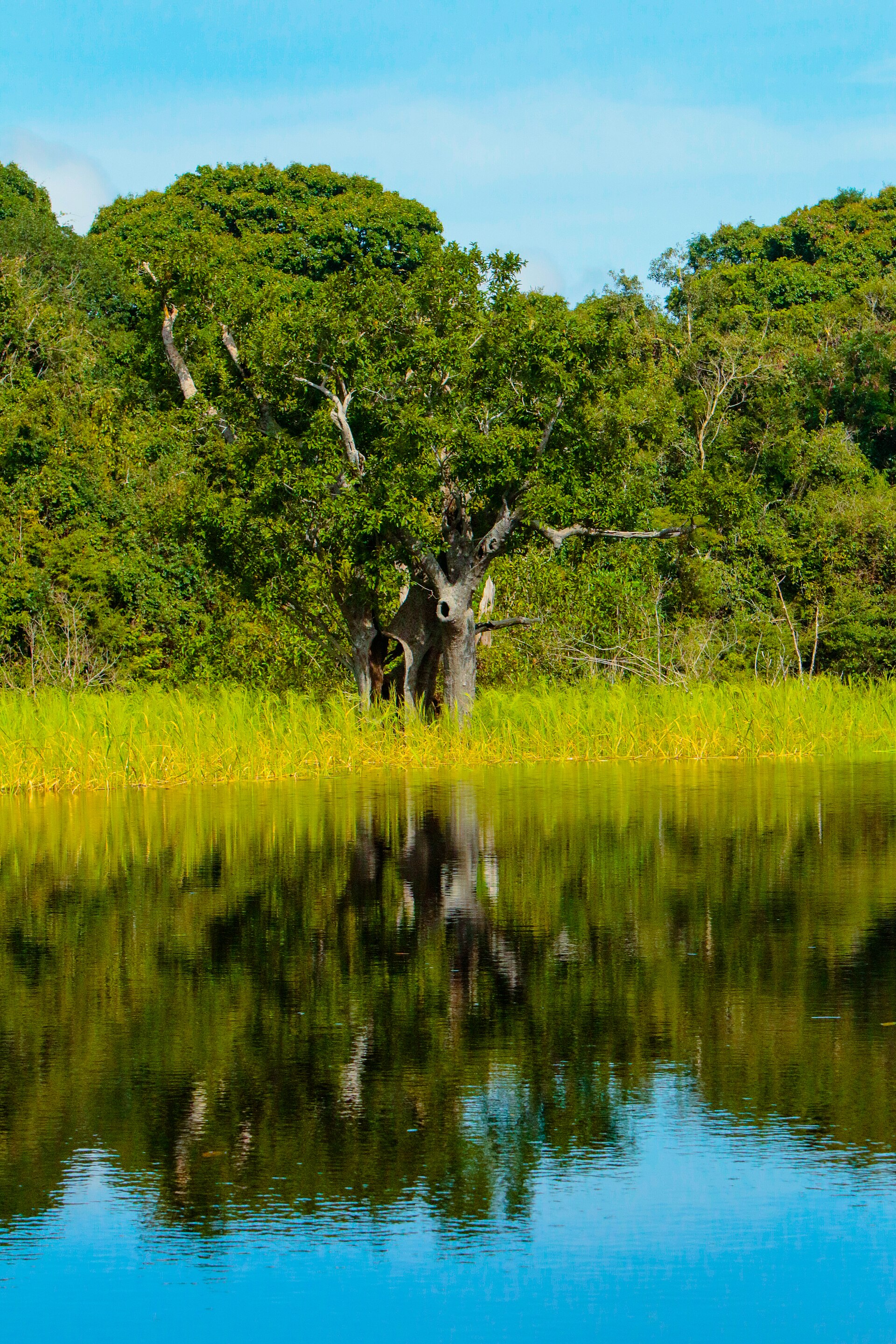
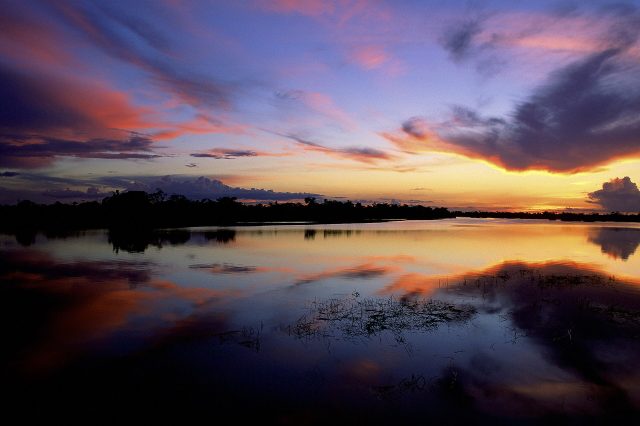
Jaú’s ecosystems are as varied as the Amazon itself. Flooded forests vanish beneath rising waters during the rainy season. Terra firme trees stand above the flood line, while swamps support palms and water lilies. The Jaú River weaves through the landscape, forming channels and oxbow lakes. When the rains come, water levels rise by meters, turning the forest into a submerged maze where fish navigate roots and caimans glide beneath the surface.
Wildlife thrives here, though often unseen. Jaguars leave paw prints in the mud. Giant otters move through rivers, tapirs forage along banks. Over 200 mammal species inhabit the park, alongside hundreds of birds—scarlet macaws, hummingbirds, harpy eagles. The rivers hold pink river dolphins, known as boto, their color as vivid as their local legends. Indigenous communities use the forest’s plants for medicine, while trees like mahogany and Brazilwood dominate the canopy.
Visiting Jaú demands effort. No hotels or restaurants exist here. Most trips start in Barcelos, a riverside town where the Rio Negro flows wide. From there, boats are the only way in. Travelers camp on beaches or stay in simple settlements, guided by locals who know the forest’s hidden corners. They might take you to lakes where dolphins surface or to areas where jaguars still roam. The journey is difficult—humidity, heat, and insects are constant. But those who persist find a place where time moves differently.
The rewards come in moments. Waking to howler monkeys at dawn. Paddling through flooded forests where water mirrors the sky. Listening to stories of forest spirits by firelight, stars pressing close overhead.
Jaú’s role extends globally. As one of the largest tropical parks, it regulates climate, absorbs carbon, and shelters endangered species. Scientists study its unique ecosystems here. Yet threats persist: illegal logging, poaching, and agricultural encroachment. Its survival depends on balancing protection with the needs of Indigenous communities.
Jaú offers something rare—a glimpse of a world untamed. No guarantees, no comforts, just the certainty of walking through one of Earth’s last wild places. It reveals itself slowly, like a secret carried by the river. Here, nature is not a spectacle but a presence, a reminder of what the world once was.