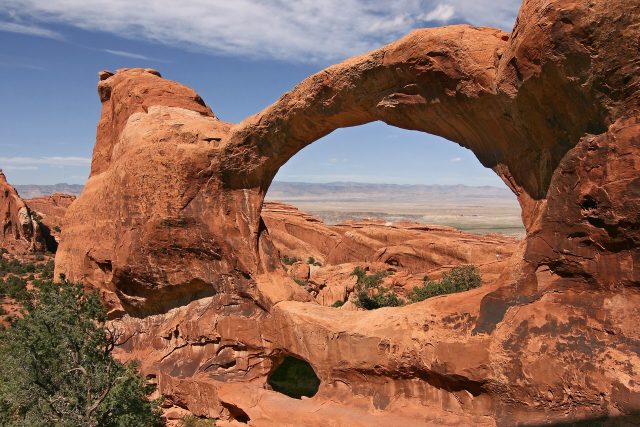
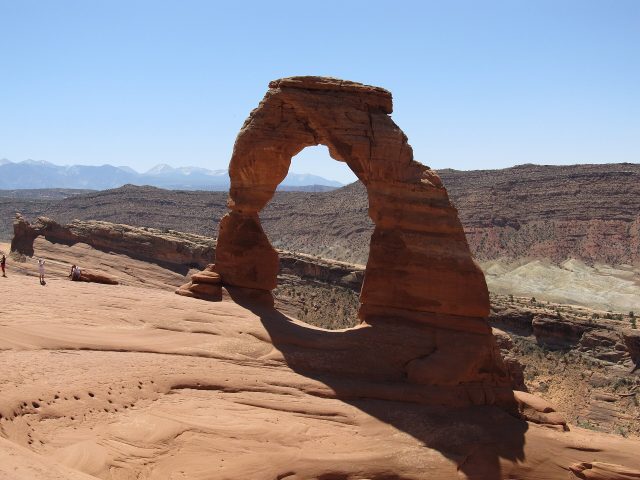
Dead Horse Point is one of those places where the desert doesn’t just stretch out before you—it drops away, leaving you suspended between earth and sky. The state park sits a short drive from Moab, sharing the same dramatic landscapes as Arches and Canyonlands but without the crowds. The name itself carries a quiet weight, tied to an old story about wild mustangs. One version says a herd was once trapped on the plateau, surrounded by sheer cliffs, and perished from thirst. The land doesn’t forget things like that.
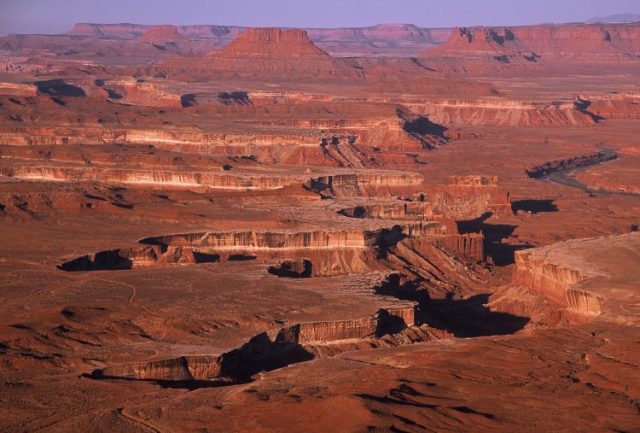
The viewpoint juts over 300 meters above the Colorado River, which winds through the canyon below like a ribbon caught in the wind. From up here, the river looks small, almost delicate, but the scale of the cliffs makes everything feel vast. The rocks shift color as the sun moves—soft gold at dawn, deep red at dusk—and on clear days, the air is so sharp you can pick out individual boulders on the far side of the canyon. There’s no shade, no lush greenery, just the open space and the quiet press of the desert’s presence.
People have been coming here for a long time. The Ancestral Puebloans left their mark in petroglyphs and the ruins of small settlements, though little remains now. Later, in the 1800s, cowboys used the narrow neck of land connecting the plateau to the mesa as a natural corral, blocking it off with fences to hold cattle. You can still find fragments of rusted barbed wire half-buried in the dirt, reminders of a time when this place was just another piece of working land. Now, it’s something else entirely.
The park keeps things simple. There are no grand lodges or restaurants, just a handful of trails and viewpoints with railings and informational signs. The visitor center near the entrance is modest—a cool, quiet space where you can learn about the geology, the plants, and the animals that call this place home. It’s one of the few spots where you can escape the midday heat, though even inside, the desert feels close.
The trails are short but rewarding. The most popular leads to the overlook at the edge of the plateau, where the river bends sharply below. Others take you past ancient fossils or faint petroglyphs etched into the rock. Hiking here isn’t strenuous, but the altitude and the dry air can catch you off guard. The best time to visit is early morning or late afternoon, when the light is soft and the shadows stretch long across the stone.
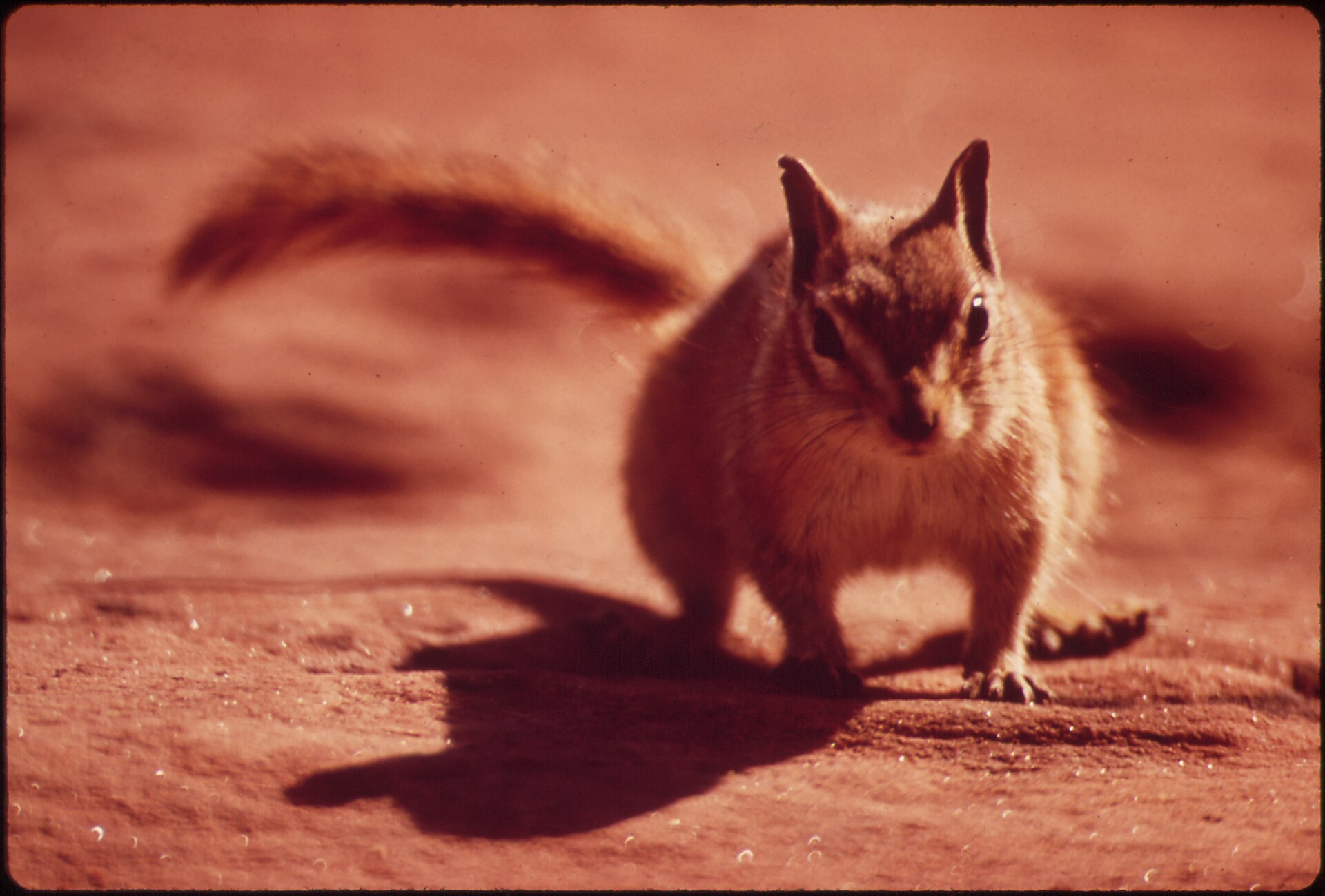
Wildlife is easy to miss if you’re not paying attention. Desert cottontails dart between rocks, lizards sun themselves on warm surfaces, and if you’re lucky, you might spot a coyote or a mule deer in the distance. Birds are more noticeable—the trill of a canyon wren, the shadow of a golden eagle circling overhead. The plants are sparse but tough: prickly pear cacti, sagebrush, the occasional pine clinging to a crack in the rock. Everything here has adapted to survive, and that resilience is part of what makes the place feel alive.
This isn’t the kind of park you rush through. It’s better to linger, to let the desert set the pace. The heat of the day gives way to evenings so quiet you can hear the wind moving across the stone. At night, the stars are so bright it feels like you could reach up and touch them. There’s a campground with basic sites, where you can sleep under the open sky. Waking up here is different—first light spills over the cliffs, turning the rocks pink while the river below stays dark. It’s a place that doesn’t need much to be impressive. Just space, silence, and the slow, steady rhythm of the land.