Perched on a hill above Kruševac, Slobodište is where history lingers in the rustle of leaves and the crunch of gravel. This isn’t a park for picnics or strolls. It’s a memorial, a deliberate pause in the landscape where the past isn’t just remembered—it’s felt. The air here carries a stillness that makes the city below feel distant, as if time moves differently on this hill.
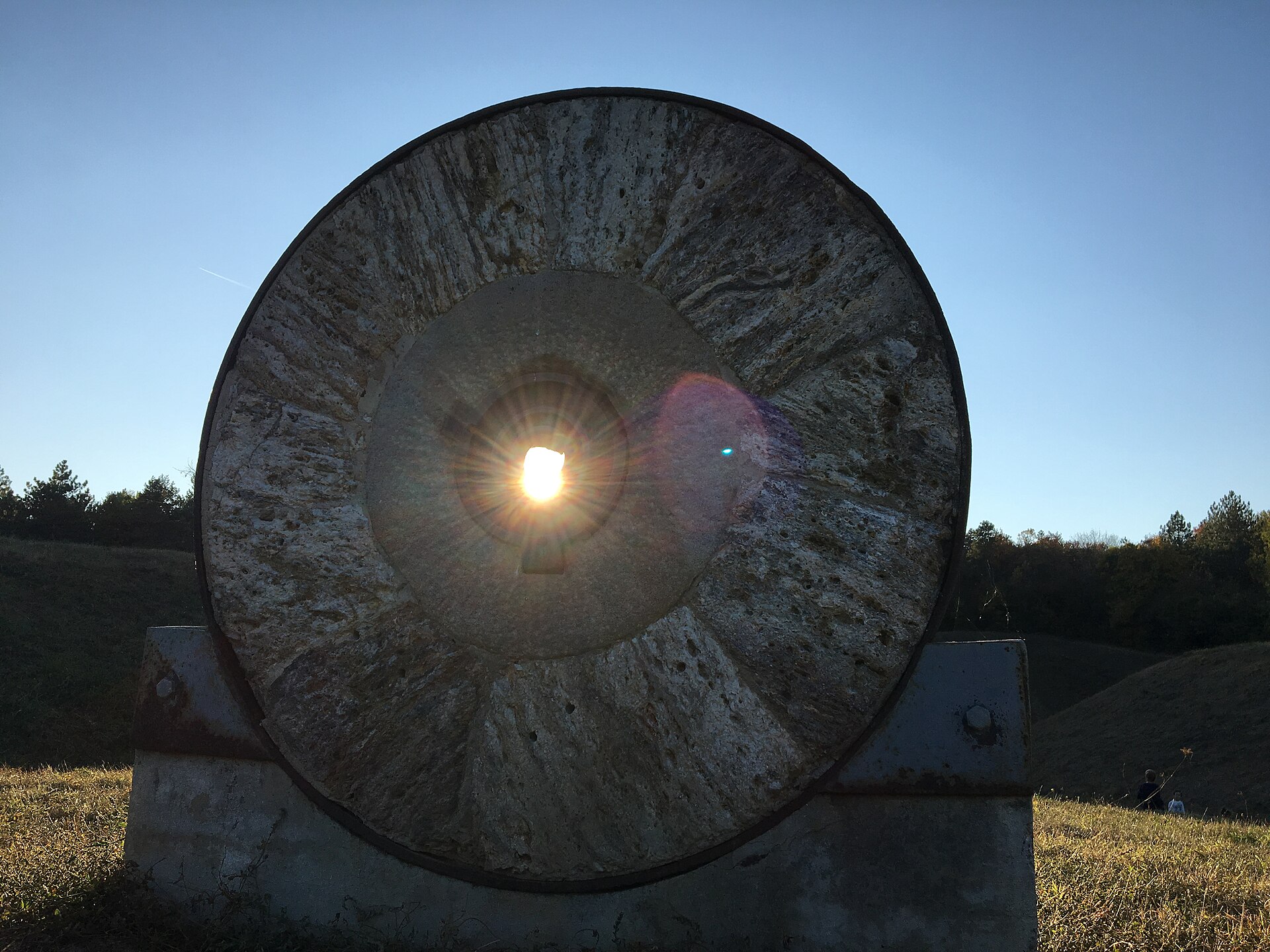
The location was chosen deliberately. During World War II, this was the site of executions—partisans and civilians killed by occupying forces. After the war, the Yugoslav government commissioned architect Bogdan Bogdanović to design a memorial complex in the 1960s. Bogdanović, known for his symbolic works, approached the project with restraint. He avoided grand gestures, crafting something understated yet resonant. The centerpiece is a massive stone structure resembling an open book—a silent marker of memory.
The paths wind past low stone blocks inscribed with names. Each block represents a life cut short. The design doesn’t overwhelm; it invites reflection. The higher you climb, the more Kruševac unfolds below—rooftops, church spires, the horizon on clear days. The view is peaceful now, almost disorienting after knowing what happened here.
At the heart of the park is an open-air amphitheater. Its stone steps are worn smooth by time. It’s still used for commemorative events and cultural gatherings. In summer, it fills with music and voices during festivals. In winter, it stands empty, its silence more pronounced. The seasons deepen the sense of continuity—memory isn’t static; it changes, just as the park does.
Slobodište doesn’t feel oppressive. There’s a quiet strength here, as if the earth carries the weight of history and passes it on. Locals treat it as a living part of their past. Families pay respects, children play on the grass, older residents sit on benches. The park doesn’t demand reverence; it offers space to engage with the past in your own way.
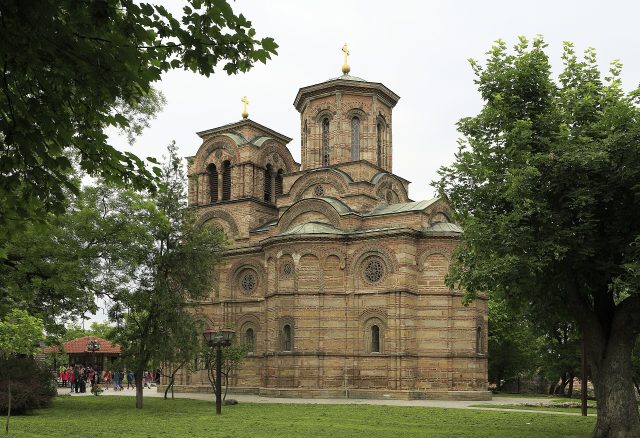
Kruševac has medieval fortresses, Ottoman mosques, and grand churches. But Slobodište is different. It’s not a monument to power or conquest, but to resilience. It reminds us that even in dark times, people endure, fight, and hope. That’s why it hasn’t faded.
Visiting Slobodište isn’t about entertainment. There are no flashy exhibits or guided tours. The park doesn’t tell you how to feel. It offers something rarer: the chance to listen. To the wind, to the echoes, to your own thoughts. That simplicity is its strength. It doesn’t impose meaning; it lets you find your own.
Slobodište endures because it belongs to everyone who walks its paths. Some come to mourn, others to reflect, a few just for the view. No one leaves unchanged. The park doesn’t shout its history—it whispers it, and in that whisper, there’s room for every visitor to hear something different.