Kruševac is a city where history isn’t just remembered—it’s still present in the quiet details of everyday life. The Regional Museum of Kruševac, tucked away in the heart of the town, offers a way to step into that past without fanfare or spectacle. There are no grand declarations here, just the steady accumulation of stories told through objects that have survived centuries: tools once held by unknown hands, coins passed between merchants, fragments of pottery that once held meals shared by families long gone. The museum doesn’t try to impress with scale; instead, it invites you to look closely, to notice the small things that reveal how people lived, worked, and endured on this land.
The building itself is part of the story. Constructed in the late 1800s, when Kruševac was experiencing a period of growth and prosperity, it was originally a private residence that reflected the ambitions of the time. The architecture blends classical European influences with local craftsmanship—tall windows that let in streams of light, intricate plasterwork on the facade, and high ceilings that once echoed with the conversations of the city’s elite. Inside, the original interiors have been preserved, their worn elegance now serving as a backdrop for the exhibits. Walking through the rooms, you can almost hear the murmur of past lives, the clink of glasses at a reception, the rustle of papers in a study. It’s not a palace, but a place where history feels lived-in, not staged.
The museum’s collection spans thousands of years, beginning with the earliest traces of human settlement in the region. Among the oldest artifacts are stone tools and simple pottery left behind by pre-Roman tribes, their purpose still evident in the worn edges and practical designs. The Roman era is represented by coins, fragments of mosaics, and everyday objects that hint at a more organized society—trade routes, administrative centers, and the slow spread of new technologies. These pieces don’t just sit behind glass; they suggest a continuity, a thread connecting the people who once used them to those who walk the same streets today.
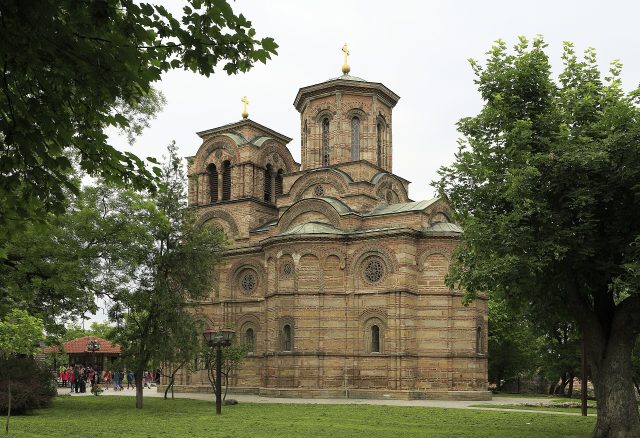
The medieval period takes on a deeper significance here, particularly the 14th century, when Kruševac was more than just a town—it was the capital of Serbia under Prince Lazar Hrebeljanović. This was a time when the city pulsed with political intrigue, religious devotion, and the constant threat of war. The museum’s exhibits from this era include weapons, religious artifacts, and documents that offer a glimpse into the daily realities of life in a medieval court. One of the most poignant displays is a partial reconstruction of Lazar’s Church, a masterpiece of Serbian medieval architecture that was destroyed and later rebuilt in fragments. The surviving stones, though silent, carry the weight of a nation’s memory.
The 19th and 20th centuries brought dramatic changes to Kruševac, and the museum captures this transformation through a mix of personal and public history. Industrialization arrived with factories and railroads, turning the city into a hub of commerce and labor. Photographs from this period show bustling streets, workers in their Sunday best, and the slow modernization of a place that had long been defined by its past. The world wars left their mark as well, and the museum doesn’t shy away from the darker chapters. Letters from soldiers, tattered uniforms, and makeshift tools from prisoner-of-war camps serve as reminders of the cost of conflict. These aren’t just relics; they’re evidence of resilience, of ordinary people navigating extraordinary times.
One of the most engaging sections of the museum is its ethnographic collection, which focuses on the traditions and crafts that shaped rural life in the region. Here, you’ll find wooden looms still bearing the marks of generations of weavers, clay pots fired in village kilns, and intricately embroidered folk costumes that tell stories through their patterns. Some of these crafts are still practiced today, while others have faded into obscurity, preserved only in museums like this one. The tools and textiles aren’t just displayed—they’re contextualized, showing how they fit into the rhythms of daily life, from harvest festivals to winter nights spent by the fire.
What makes the Regional Museum of Kruševac special is its refusal to treat history as something distant or untouchable. It’s a place where the past is still alive, not just in the exhibits but in the way the museum engages with its visitors. Temporary exhibitions often focus on niche topics—local legends, forgotten trades, or the stories of individual families—while workshops and lectures bring history into the present. School groups are encouraged to handle replicas of artifacts, to try their hand at traditional crafts, or to listen to recordings of folk songs that haven’t been sung in decades. The museum isn’t just a repository; it’s a conversation, one that continues with every visitor who walks through its doors.
Kruševac itself is a city that doesn’t demand attention, and the museum reflects that quiet confidence. There are no crowds here, no lines of tourists snapping photos for social media. Instead, there’s space to wander, to linger over a display that catches your eye, or to sit for a while in a corner and let the weight of the past settle in. The city’s history isn’t dramatic in the way of capitals or ancient empires, but it’s deeply human—full of small triumphs, quiet struggles, and the steady persistence of life. The museum doesn’t need to exaggerate or embellish; the truth of this place is compelling enough on its own.
A visit here isn’t about checking off a landmark or collecting a souvenir. It’s about slowing down, about noticing the way a worn wooden spoon or a faded photograph can carry the weight of a story. The Regional Museum of Kruševac doesn’t offer grand narratives or easy answers. Instead, it presents history as it was lived: messy, personal, and often unremarkable in the moment. That’s its strength. In a world where so much is curated for effect, this museum simply lets the past speak for itself. And if you listen, you might find that it has more to say than you expected.