Simon Bolívar Park in Sucre is one of those rare urban spaces where the city’s usual hum fades into quiet greenery. Tucked within the heart of Bolivia’s constitutional capital, it offers more than just a place to stroll—it’s a living piece of history that quietly bridges past and present. There are no flashy attractions or crowds of tourists here, just wide pathways, towering trees, and an atmosphere that seems to invite you to slow down and simply be.
The park took shape in the late 19th century, a time when Sucre was flourishing after Bolivia gained independence. As the city expanded, public spaces like this became part of a new vision for urban life. Named after Simón Bolívar, the liberator who helped free much of South America from Spanish rule, the park was meant to embody ideals of freedom and progress. Over the decades, it grew into a familiar part of the city’s landscape, where generations of *sucrenses* celebrated holidays, gathered with friends, and found moments of rest.
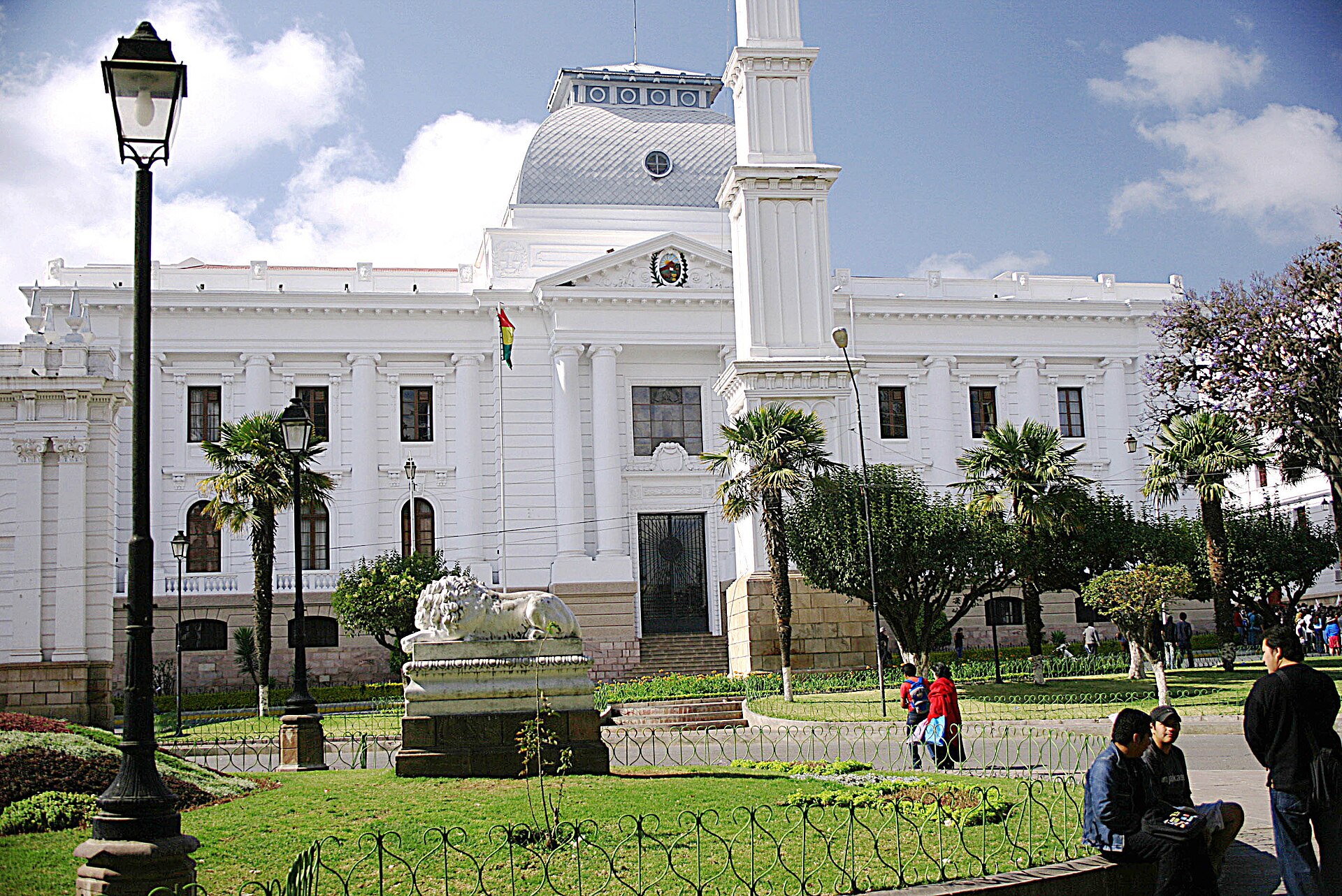
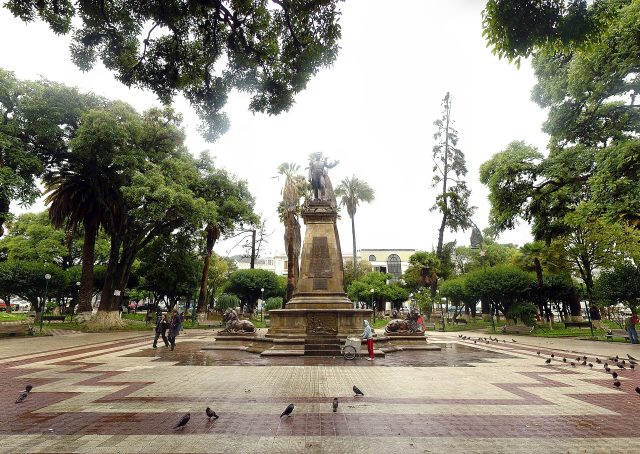
There’s nothing grand about the park’s design, and that’s part of its charm. The main walkway leads to a modest fountain, surrounded by flowerbeds that burst with color in the warmer months. Tall eucalyptus and plane trees line the paths, their canopies offering shade even in the midday heat. Benches dot the area, often occupied by students from the nearby university, flipping through books or debating their latest lectures.
At the park’s center stands a bronze statue of Simón Bolívar, perched on a pedestal and gazing into the distance. The figure is unassuming but striking, a quiet tribute to the man whose name defines not just this park but an entire nation. On national holidays, small gatherings sometimes take place here, but on most days, the only sounds are the rustling of leaves and the occasional murmur of passersby.
Simon Bolívar Park isn’t just a patch of green—it’s woven into the daily rhythm of Sucre. Mornings bring elderly locals doing gentle exercises, while afternoons see mothers with children playing on the lawns. By evening, the paths fill with young people lounging on the grass, listening to music or enjoying the cool air. Weekends bring even more life, with impromptu concerts by local musicians and vendors selling ice cream and cold drinks.
The park has witnessed its share of history. In the early 20th century, it was a gathering place for political rallies and public meetings during times of change. During economic hardships, it became a refuge for the unemployed, who came seeking solidarity. In calmer eras, it remained a peaceful retreat where city dwellers could escape the bustle. Today, the traces of those turbulent times are gone, but the park’s atmosphere still carries a sense of continuity.
Despite its simplicity, the park holds a special place in Sucre’s cultural life. It’s a backdrop for graduation photos, a meeting spot for couples, and a quiet corner for anyone needing a moment alone. Unlike many parks in Latin America, it doesn’t rely on exotic plants or grand sculptures—its appeal lies in its unpretentiousness. Here, history and modernity coexist effortlessly, without fanfare.
For visitors, Simon Bolívar Park offers a glimpse into the everyday life of Sucre. There are no tourist traps or pushy guides, just the chance to experience the city’s unhurried pace. You can sit on a bench with a cup of coffee bought from a street vendor or wander the paths, watching how locals move through their day. The park has no strict rules, but there’s an unspoken respect for the space that everyone seems to share.
In recent years, city officials have worked to maintain the park while preserving its character. Lawns are kept neat, pathways are repaired, but the essence of the place remains unchanged. It’s not a museum under the open sky—it’s a living space that evolves alongside the city. That might be why it remains so beloved by Sucre’s residents: it doesn’t try to be anything more than what it is, and in that, it finds its greatest value.