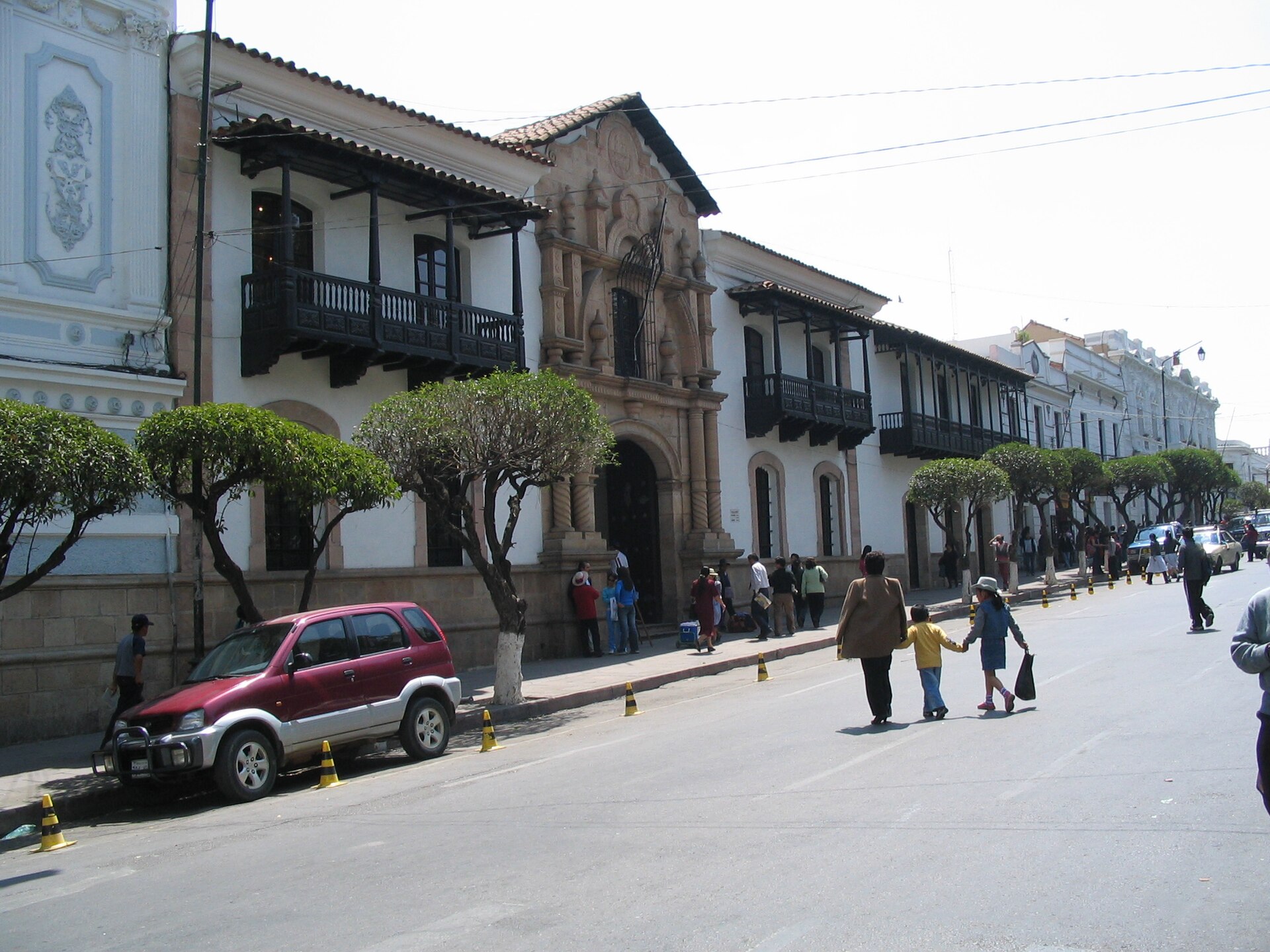
The House of Freedom in Sucre is one of those rare places where history feels tangible, where the past isn’t just remembered but somehow still lingers in the air. Built in the late 18th century, this grand colonial mansion originally served as the seat of the Royal Audience of Charcas, the highest judicial body in Spain’s South American territories. Its thick stone walls once echoed with the debates of colonial officials, the footsteps of petitioners seeking justice, and the hushed conversations of those trying to evade it. The architecture is a textbook example of the era—heavy stone facades, an inner courtyard framed by arched walkways, soaring ceilings, and wooden balconies that once graced nearly every noble home in what was then called Upper Peru. Sucre, known at the time as Chuquisaca, wasn’t just another colonial city; it was a cornerstone of Spanish power in the region, and this building stood at its heart.
The House of Freedom earned its name in the 19th century, when its halls became the stage for events that would shape Bolivia’s future. On August 6, 1825, in the building’s main assembly room, the Declaration of Independence for Upper Peru was signed, marking the birth of a new republic. This moment was the culmination of years of struggle, led by figures like Simón Bolívar and Antonio José de Sucre, though Bolívar himself wasn’t present for the signing. The country’s name—Bolivia—was chosen in his honor, a tribute to his role in the fight for independence. Today, the original declaration is still displayed here, alongside portraits of the revolution’s leaders and personal artifacts, including Sucre’s sword and Bolívar’s writing desk. These objects aren’t just relics; they’re silent witnesses to a turning point in history.
Stepping inside, you’re immediately struck by how little the interior has changed since the early 1800s. The main hall, where the declaration was signed, is dominated by a massive oak table where the delegates once sat. The walls are lined with paintings depicting key moments from the independence movement, while glass cases hold yellowed documents and newspapers from the era. A raised platform at one end of the room was used for reading decrees and addressing the public, a reminder of how information—and power—was disseminated in those days. The adjacent rooms are filled with period furniture, antique clocks, engravings, and even personal items belonging to Bolivia’s first presidents. There’s a sense of stillness here, as if the building itself is holding its breath, preserving the voices of those who once filled its rooms.
Beyond its historical significance, the House of Freedom is a masterclass in colonial architecture. The facade blends classical and Baroque elements, a style typical of Spanish colonial buildings in the Americas. The stone columns supporting the courtyard’s arches are intricately carved, while the wrought-iron balconies speak to the importance of appearances in a society where status was everything. Inside, the rooms are a mix of wood and stone, with high ceilings and heavy beams that give the space a sense of grandeur. The assembly hall is particularly striking, with its original chandeliers and ornate plasterwork still intact. It’s not just a museum; it’s a living piece of architectural history, a rare survivor from a time when Sucre was the political and cultural center of a vast empire.
Today, the House of Freedom serves as more than just a museum—it’s a place of reflection, where visitors come to understand the roots of modern Bolivia. Guided tours don’t just focus on the events of 1825; they place them in the broader context of Latin America’s struggle for independence. Exhibits cover the colonial period, the war for freedom, and the early years of the republic, offering a glimpse into how a nation was forged. Occasionally, the courtyard hosts small classical music concerts, adding another layer to the building’s atmosphere. For many Bolivians, this is a place of national pride, a physical connection to the people and ideas that shaped their country.
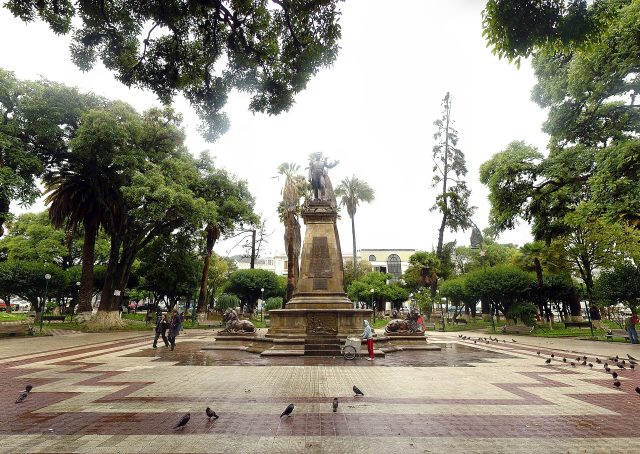
Sucre itself is a city steeped in history. As Bolivia’s first capital, it retains much of its colonial charm, with whitewashed buildings, cobblestone streets, and churches adorned with golden altars. The Plaza 25 de Mayo, just a short walk from the House of Freedom, was once the heart of the city, where residents gathered to discuss news and politics. The House of Freedom is just one of many historic sites in Sucre, but it’s arguably the most important. The city moves at a slower pace than Bolivia’s larger cities, allowing visitors to soak in its atmosphere without the usual hustle and bustle. It’s the kind of place where history isn’t just something you read about—it’s something you feel.
Visiting the House of Freedom isn’t like walking through a typical museum. There are no flashy displays or modern interpretations here—just raw, unfiltered history. When you stand in the room where the declaration was signed, it’s impossible not to wonder about the hopes and fears of the people who were there. What did they imagine for their country’s future? What sacrifices had they made to reach that moment? The building doesn’t offer easy answers, but it doesn’t need to. Its power lies in its authenticity, in the way it lets the past speak for itself.
For anyone interested in Latin American history, the House of Freedom is a must-visit. But even if you’re not a history buff, there’s something here that resonates. Bolivia’s story isn’t just about dates and battles; it’s about the people who fought for their freedom and the ideals they believed in. Their voices still echo in these halls, their decisions still ripple through time. That’s why the House of Freedom remains one of Sucre’s most visited sites. It’s not just a monument to the past—it’s a reminder that history isn’t something distant or abstract. It’s alive, and it’s part of all of us.