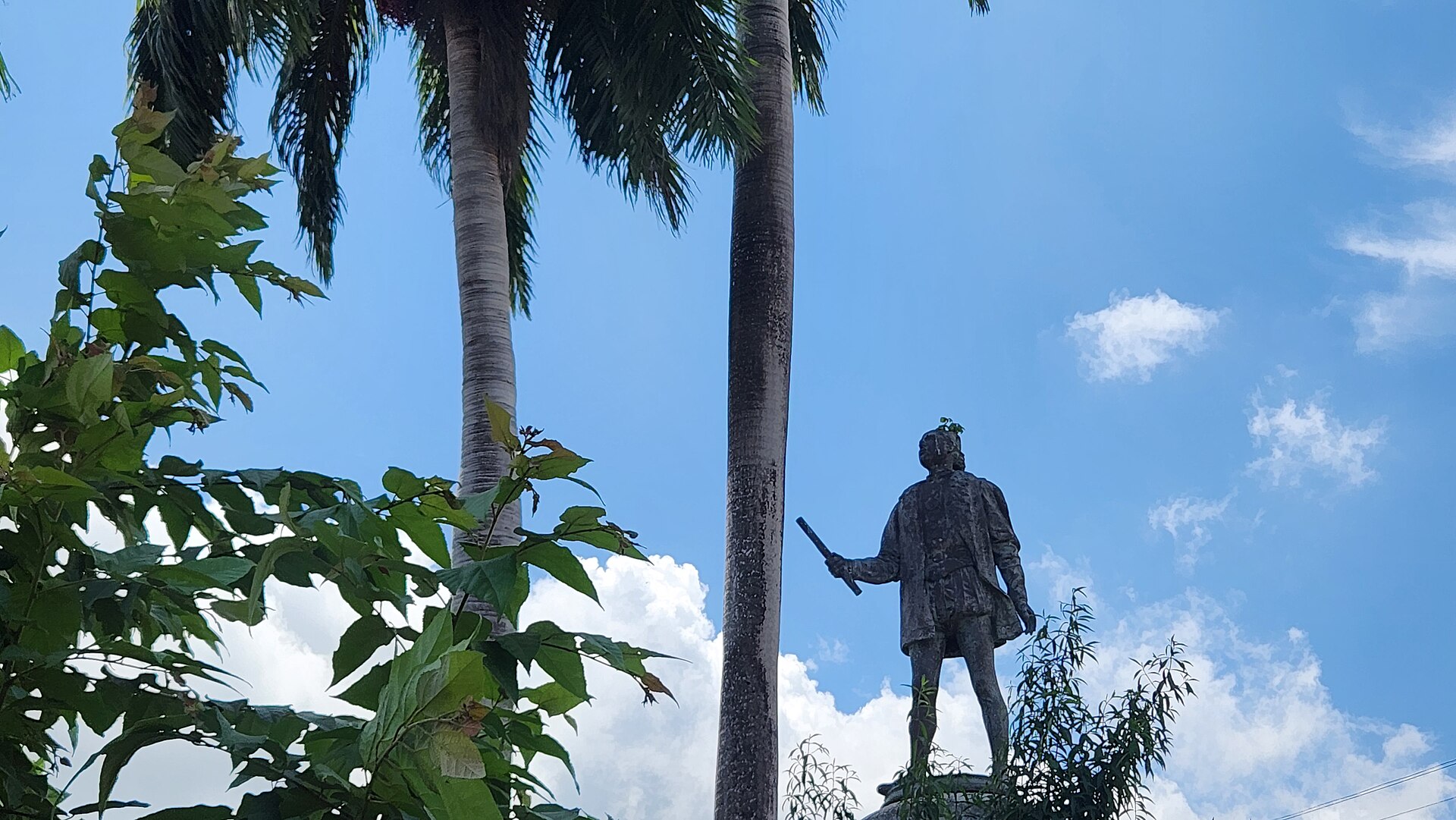
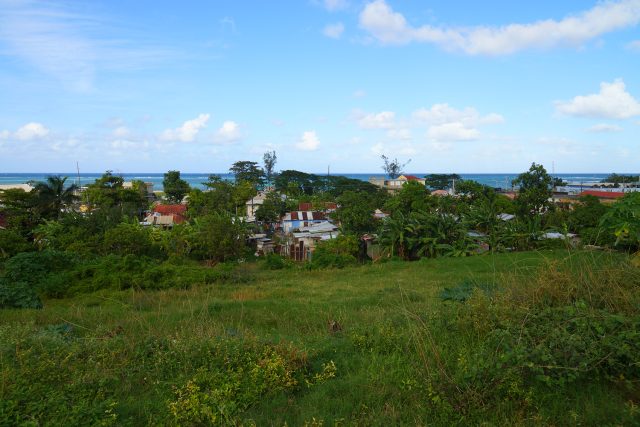
Seville Great House and Heritage Park is one of those rare places in Jamaica where history isn’t just something you read about—it’s something you can almost touch. Tucked away near Saint Ann’s Bay, this quiet corner of the island holds layers of time, from the days of the Taíno people to the colonial era, when European powers fought for control of the Caribbean. Unlike the crowded resorts and busy beaches, the park feels removed from the rush of modern life, as if the past lingers just beneath the surface.
The land here was once part of the Seville plantation, one of the earliest European settlements on the island. The Spanish established it in the early 1500s, naming it after Seville in their homeland. But their hold on Jamaica was short-lived. By the mid-17th century, the English had taken over, turning the plantation into a major sugar-producing estate. Today, the park preserves fragments of that history—crumbling foundations, remnants of old buildings, and pieces of an aqueduct that once carried water to the sugar works. Walking through the grounds, you can imagine the scale of the operation that once dominated this landscape.
At the heart of the park stands the Great House, a two-story Georgian mansion built in the 18th century. It was the residence of the plantation owners, designed in the practical yet elegant style common to colonial estates of the time. High ceilings, wide verandas, and large windows allowed the sea breeze to flow through the rooms, offering some relief from the tropical heat. Inside, the house retains some of its original furnishings—wooden furniture, china, and everyday objects that hint at the lives of those who lived here. The house isn’t grand in the way some colonial mansions are; it feels more functional, built for the business of running a plantation rather than for show.
Around the Great House, other structures tell the story of the plantation’s daily operations. There’s a blacksmith’s forge, storage buildings, and the ruins of the sugar mill, where animals once powered the crushing of cane. Scattered across the grounds are heavy stone blocks that were part of the presses used to extract juice from the sugarcane. These simple remnants speak to the harsh reality of sugar production, which relied on enslaved labor and shaped Jamaica’s economy for centuries. The park doesn’t shy away from this history, though it presents it without sensationalism, letting the physical evidence speak for itself.
Beyond the colonial era, the park also acknowledges the island’s earlier inhabitants. The Taíno, Jamaica’s indigenous people, lived here long before the arrival of Europeans, and archaeologists have uncovered traces of their settlements in the area. A reconstructed *bohío*, a traditional Taíno hut made of wood and palm leaves, offers a glimpse into their way of life. Inside, you’ll find hammocks, clay pots, and tools that show how they fished, farmed, and lived in harmony with the land. The Taíno were nearly wiped out by disease and colonization, but places like this keep their memory alive, reminding visitors that Jamaica’s history didn’t begin with European ships.
The park is small, but its layout encourages slow exploration. Paths wind through lush tropical vegetation—palm trees, flowering shrubs, and the occasional fruit tree—leading from one historical site to the next. The air carries the scent of salt from the nearby sea and the earthy fragrance of the land. Informational signs along the way provide context, but even without them, the place has a way of making the past feel present. The rustling of leaves, the distant sound of waves, and the quiet hum of insects all contribute to the sense that this land has witnessed centuries of change.
Seville Great House isn’t just a tourist attraction; it’s also an educational space. School groups often visit, and guides walk them through the different eras of Jamaica’s history—the Taíno, the Spanish and English colonists, the brutal realities of the slave trade, and the sugar industry that defined the island’s economy for generations. For many Jamaicans, the park is more than a museum; it’s a place where history becomes tangible, where the stories of their ancestors are preserved in the very soil.
A visit here doesn’t take long, but it leaves an impression. There are no flashy exhibits or staged performances, just the quiet weight of history. Standing in the shadow of the Great House or walking past the ruins of the sugar mill, it’s easy to reflect on how much this small island has endured and how its past continues to shape its present. Seville Great House isn’t just a monument to architecture or a relic of colonialism—it’s a reminder of the resilience and complexity of Jamaica itself.