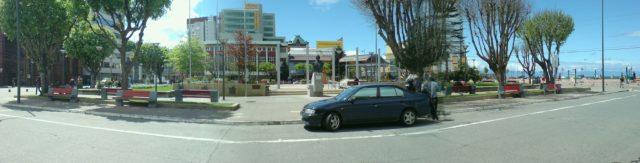
Puerto Montt’s park is the kind of place that doesn’t announce itself with fanfare but lingers in memory long after you’ve left. Tucked into a gentle hill at the city’s heart, it offers quiet views over the bay and the islands beyond. There are no flashy attractions or crowds here, just the steady hum of everyday life—morning joggers tracing the same paths, families spreading out picnic blankets, or someone settling onto a bench with a book, watching the water lap against the shore. The park feels like a pause button in a city that otherwise moves at its own steady pace.
Its history mirrors that of Puerto Montt itself. The city began as a modest port settlement in the mid-1800s, its identity shaped by docks and fishing quarters. The park came later, when the growing town needed a public space—not as a grand statement, but as a practical retreat for its people. There were no grand avenues or monuments in the original plans, just well-worn trails and open lawns where children could run and adults could catch their breath. Some of the trees here were planted in the early 1900s, their broad canopies still offering shade on the warmest days.
The park’s design is unassuming, almost utilitarian. There are no towering fountains or elaborate sculptures, just a handful of mid-century pavilions with the kind of simple, sturdy construction common to provincial Chile—wood and metal frames, large windows letting in the light. One of them once housed a summer café, though now it holds a small exhibit on the city’s past. A few stone staircases wind up to lookout points, where you can see how the city slopes down toward the water, its rooftops blending into the landscape.
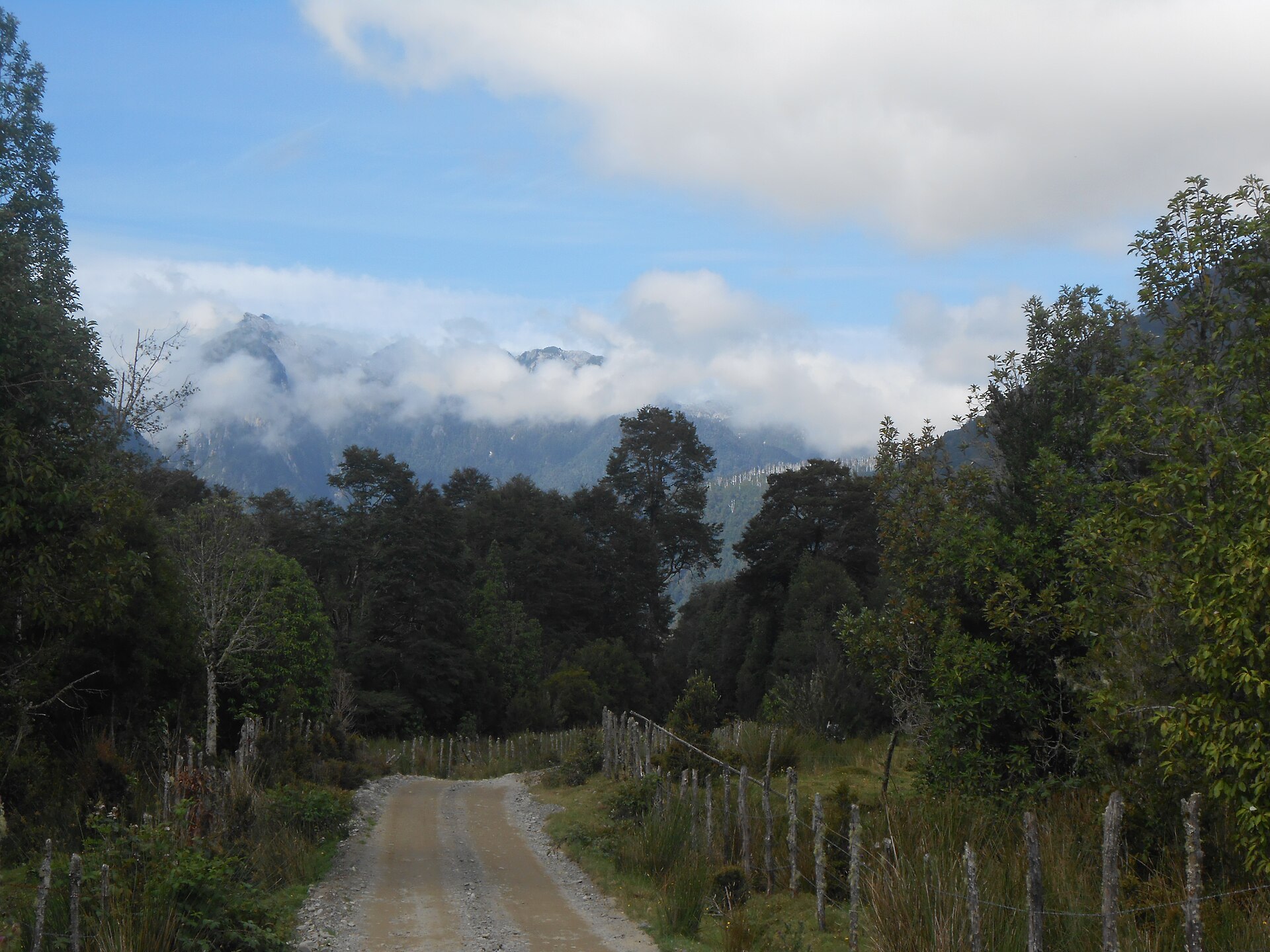
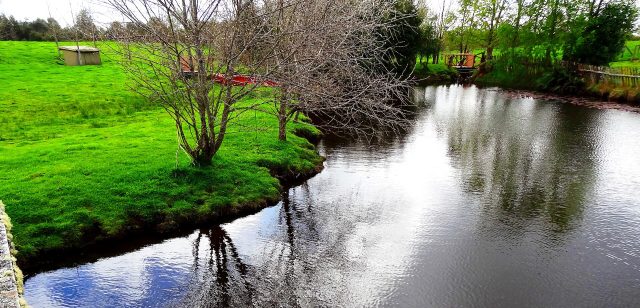
What makes the park special is its position on the edge of two worlds. On one side, the grid of streets and houses; on the other, the forested hills that stretch into protected wilderness. This borderland quality means you might spot more than just people here—squirrels darting between branches, birds calling from the trees, or, if you’re lucky, a small fox slipping down from the hills in search of scraps. In spring, the park bursts into color, magnolias and rhododendrons blooming against a backdrop of pine and salt-tinged air.
For many locals, the park isn’t just a place to visit; it’s woven into their personal stories. Couples meet here for first dates, families gather for birthdays, and photographers frame portraits against the backdrop of the bay. In summer, small concerts and festivals take place, though they’re never the kind of loud, crowded affairs that dominate bigger cities. The local government has always been careful to preserve the park’s intimate feel, keeping lights low and noise to a minimum. Even the streetlamps are spaced just enough to guide the way without overpowering the night.
Winter changes the park entirely. Rain is common, turning the paths slick and the trees dark with moisture. Yet people still come—some with umbrellas, others in waterproof jackets, drawn by the damp air and the sound of wind rustling through the branches. The park feels quieter then, more secluded, and that solitude is part of its charm, just as much as the summer greenery.
This isn’t a place you visit to tick off a tourist checklist. It doesn’t dazzle with size or spectacle, and that’s precisely why it matters. Here, you can sense the rhythm of a small Chilean city, where everyone knows their neighbors and nature is never far away. A walk through the park is a chance to slow down, to notice the way the light falls on the water or how the wind carries the scent of pine. Sometimes, the most meaningful places aren’t the ones that shout for attention, but the ones that quietly hold a piece of the world’s ordinary beauty.