Puerto Montt
Chile · 5 places
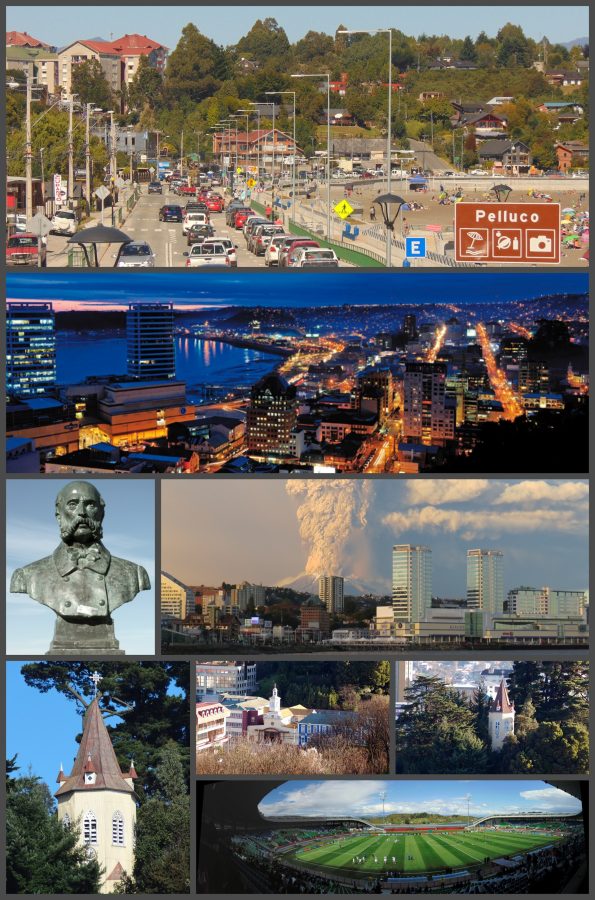
Photo: Montaje realizado por Wikiedro, CC BY-SA 4.0
Puerto Montt lies where the Reloncaví Sound meets the Andes. The city spreads along the water, its wooden houses climbing low hills. On clear mornings, the volcano Osorno stands sharp against the sky, its snowcap reflecting in the still water. Fishermen leave before dawn, their boats small against the expanse of the sound. By afternoon, they return with salmon and sea urchins, the day’s catch unloaded onto weathered docks.
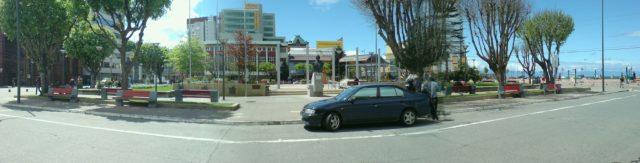
The German settlers who arrived in the 1850s built houses with steep roofs to shed the rain. Some of those houses still stand, their timber darkened by decades of salt and wind. Bakeries sell strudel with thin, flaky crusts, and in the afternoons, old men play dominoes in the plaza near the cathedral. A few families still speak German at home, the words slipping into conversation over coffee.
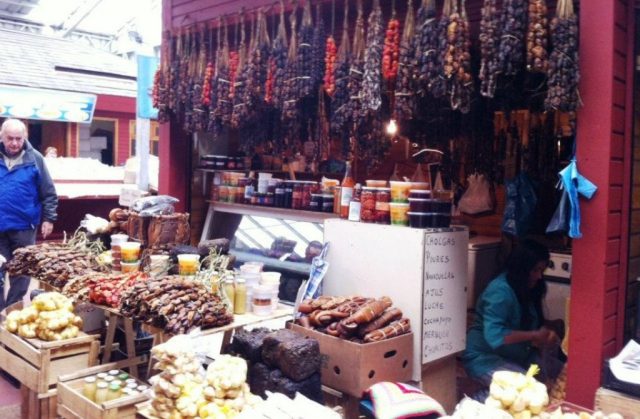
Most travelers come through Puerto Montt on their way to Patagonia. They stop for a night, eat at the Angelmó Market, then leave. But the city doesn’t hurry. The market stays open until the last customer wanders off, vendors cleaning fish or steaming mussels as they talk. Curanto—shellfish, pork, chicken, potatoes—cooks in a pit lined with hot stones, the steam rising in clouds when the lid is lifted. The smell lingers in the air for hours.
Rain comes often, even in summer. It falls in sheets, then stops, leaving the streets slick and the air smelling of wet earth. When the sun appears, the light turns everything bright—the red roofs, the green hills, the blue of the water. Locals head to the beach at Pelluco or pick berries on farms near the shore. Blueberries grow thick on bushes, their branches heavy with fruit in January.
The harbor is always busy. Boats leave at dawn, return by midday. Gulls circle overhead, their cries sharp against the sound of waves. At dusk, people gather on the pier, watching the tide roll in. Some drink mate, others coffee, the steam rising from their cups. The volcano looms in the distance, its shape familiar, like something you’ve known for years.
There’s no grand architecture here, no museums with famous collections. The city doesn’t try to impress. It’s the kind of place where you notice small things—the way the light hits the water, the sound of a horse’s hooves on cobblestones, the taste of fresh oysters eaten standing by the dock. You might plan to stay a day and end up staying three, because the rhythm of the place gets under your skin. It’s not a city you visit. It’s a city you let yourself fall into.
See & Do
4 places
Places on the map
Marker colour follows the categoryClimate and weather
Detailed weather: Puerto Montt- Average temperature
- 10 °C
- Precipitation per year
- 1220 mm
- Sunshine hours per day
- 5.1 h
Average air temperature
°C
15
15
12
10
9
7
6
7
8
10
12
14
Jan
Feb
Mar
Apr
May
Jun
Jul
Aug
Sep
Oct
Nov
Dec


