Monte Verde is a place where the past feels close. Near Puerto Montt in southern Chile, this site holds remnants of one of the oldest known human settlements in the Americas, dating back nearly 13,000 years. Archaeologists value it for the tools and shelter remains found here, but more for how it challenges earlier theories about human arrival in the Americas. Before Monte Verde, the dominant idea was that humans first crossed the Bering Land Bridge around 12,000 years ago. This site pushed that timeline back, forcing scientists to reconsider how and when the first people reached this continent.
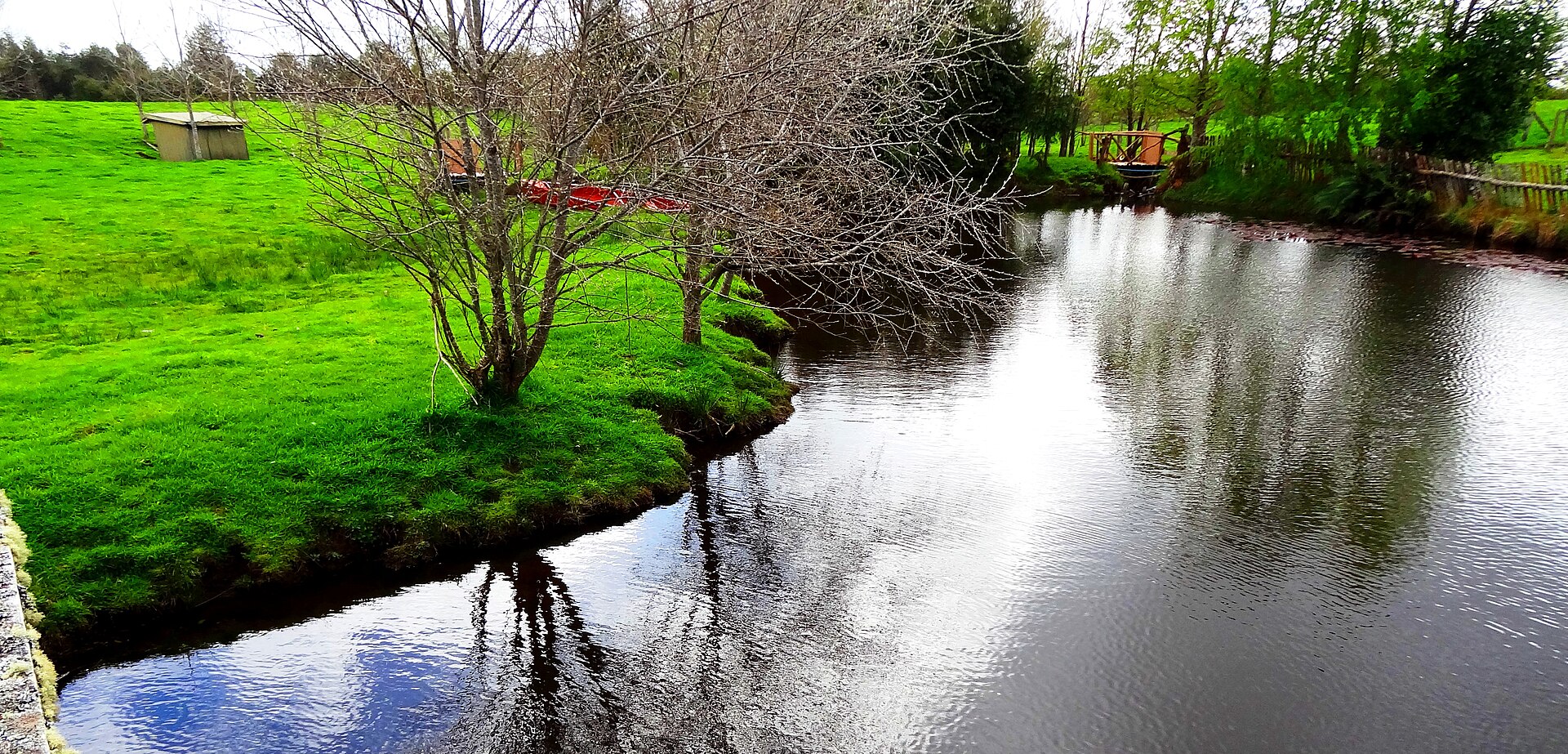
The site looks unremarkable. A low, grassy hill rises from wetlands, its slopes covered with shrubs and wildflowers. The Andes stand in the distance, their peaks often hidden by mist. The air smells of damp earth and pine. There are no grand monuments—just land shaped by wind, rain, and time. Yet that simplicity is what makes Monte Verde special. It’s not a museum exhibit but a landscape where every stone might hold a fragment of history.
Monte Verde’s significance emerged in the mid-20th century when locals found artifacts while digging. Archaeologists arrived and uncovered wooden structures, mastodon bones, and shells from ancient meals. The wet, peaty soil preserved organic materials—animal hides, plant fibers, even food traces. These finds showed a community that lived here long before the Inca, Maya, or Aztec. The people of Monte Verde were hunter-gatherers, relying on the land’s rhythms for survival.
What makes Monte Verde important is how it changed migration theories. The traditional story—that the first Americans crossed from Siberia into Alaska 12,000 years ago—no longer fits the evidence here. Artifacts suggest humans lived in southern Chile by 13,000 years ago. Some researchers now propose alternative routes: perhaps migrants arrived by sea, following the Pacific coastline, or ventured inland earlier than thought. Monte Verde doesn’t just change the timeline; it forces us to rethink how humans reached the Americas.
Visiting Monte Verde is about feeling, not seeing.
There are no flashy displays or guided tours. Silence surrounds you, broken only by wind, birds, or rustling grass. You might stand still, listening for echoes of the past. If you’re lucky, the quiet will settle over you, and you’ll imagine the people who once lived here: a fire crackling at dusk, voices murmuring, footsteps on damp earth. This isn’t a place for spectacle. It’s for those who want to pause and reflect on how much of our history remains hidden beneath the surface.
Monte Verde is rarely crowded. You won’t find tourists here, nor do locals treat it as a must-see. That’s a good thing. The lack of fanfare lets visitors experience the site quietly. For anyone interested in history or archaeology, Monte Verde is a revelation. It’s not just a dot on a map; it’s a window into a time when humans were just beginning to live on this continent. The fact that new discoveries still emerge adds to its appeal.
Today, Monte Verde is an active excavation site. Each season, researchers from around the world dig for clues about the first Americans. For Chile, the site holds special meaning. It shows that the country’s history stretches far beyond the Spanish arrival, to a time when people whose names are forgotten shaped the land. Monte Verde connects past and present, where history isn’t just remembered but uncovered, piece by piece.
If you’re in Puerto Montt, visit Monte Verde. The drive takes about an hour, through green hills and past lakes reflecting the sky. The Andes loom in the distance. The site doesn’t demand much time—there’s little to explore. But that’s its charm. Monte Verde is about presence. Stand still, look around, and feel time connecting past and present. You might leave with questions. That’s the point. Some mysteries aren’t meant to be solved—just experienced.