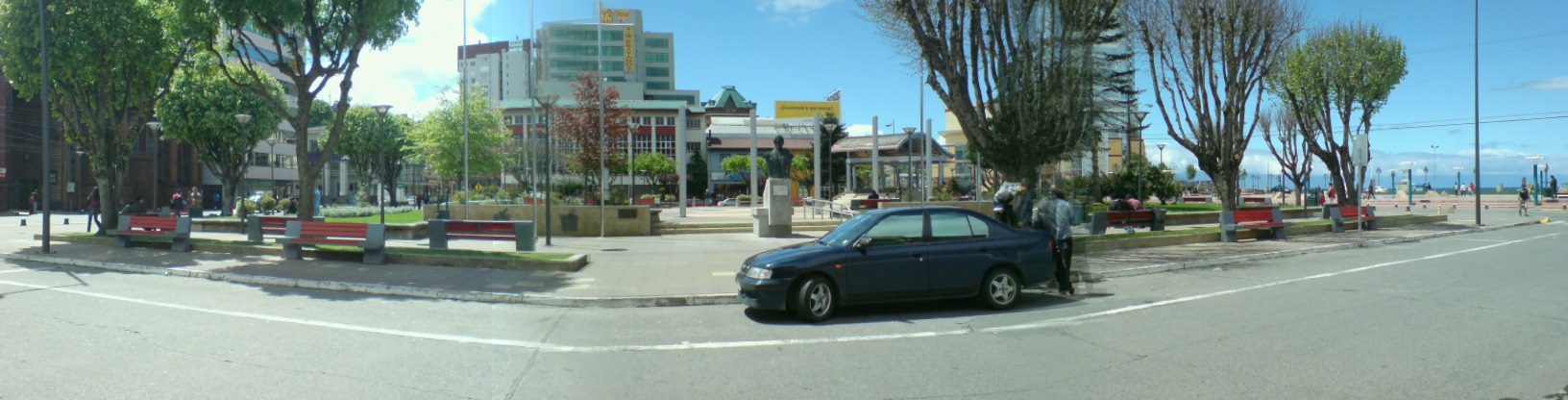
Puerto Montt’s main square isn’t the kind of place that demands attention with grand monuments or manicured gardens. Instead, it quietly gathers the rhythms of the city—the slow, steady pulse of life in southern Chile, where the air carries the salt of the ocean and the damp earth of the forests. This is a square that feels lived-in, not staged. Wooden benches line the paths, old plane trees offer shade when the sun does appear, and the cobblestones bear the weight of generations who have walked here before. At its center stands a statue of the city’s founder, a silent witness to the changes unfolding around it.
The square reflects Puerto Montt’s layered history, particularly its German roots. Founded in the mid-19th century by colonists from Europe, the city still carries traces of that past in its architecture and layout. The buildings around the square are mostly wooden, with steeply pitched roofs and large windows—practical designs for a climate where rain is more common than sunshine. Some of these structures have stood since the early days of settlement, their weathered facades telling stories of families who arrived here seeking a new beginning. The square itself is modest in size, but its unassuming scale makes it feel more like a neighborhood gathering spot than a formal civic space.
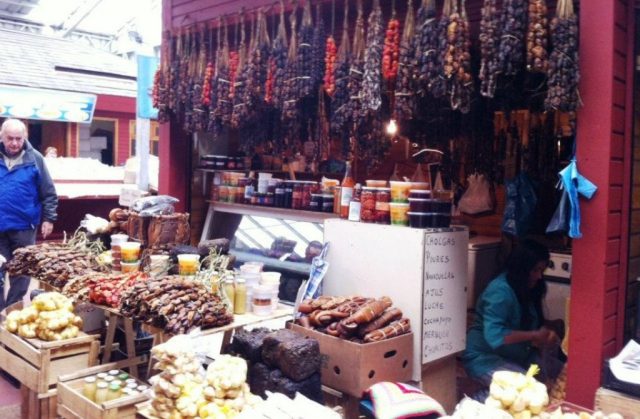
Life here moves at its own pace. In the mornings, retirees linger over coffee, catching up on local news. By midday, schoolchildren rush past on their way to class, their laughter mixing with the clatter of footsteps on stone. In the evenings, families stroll through, pausing to chat or let their children play. On weekends, the square transforms into a small market where vendors sell smoked fish, fresh bread, and jars of honey from nearby farms. Sometimes, a musician sets up near the statue, playing simple tunes on a guitar or accordion, the music blending with the sound of rain on the pavement.
The seasons shape the square’s character in subtle ways. Winter turns it into a cozy refuge, with bare trees and wet cobblestones reflecting the muted light. The scent of hot chocolate drifts from nearby cafés, and the air feels thick with the quiet of the season. Summer brings a different energy—flowers bloom in the planters, tourists pause to rest on the benches, and locals spread out blankets for impromptu picnics. For many travelers, the square serves as a starting point for journeys into the Lake District, a place to check the weather, ask for directions, or simply take a moment before setting off.
The statue at the center honors Vicente Pérez Rosales, a key figure in the region’s early development. He stands on a pedestal, facing the bay, as if still waiting for the ships that once brought settlers to these shores. Tourists often photograph the monument, but for locals, it’s just part of the scenery—a familiar landmark that blends into the background until someone stops to consider its history. The statue isn’t grand or imposing, but that feels fitting for a place where the past isn’t put on display so much as woven into the fabric of everyday life.
The architecture around the square offers its own quiet lessons. Many of the wooden buildings date back to the early 20th century, their designs shaped by the practical needs of life in a rainy, windy climate. There’s no extravagance here, just sturdy construction and a sense of adaptability. The houses are often painted in bright colors—deep blues, greens, or reds—to stand out against the gray skies and lush greenery. Some now house cafés, shops, or small hotels, but even in their new roles, they retain their original character, resisting the temptation to become generic tourist attractions.
This isn’t a place that tries to impress. There are no sweeping vistas or flashy attractions, just the steady hum of a city going about its business. The square invites you to slow down, to sit on a bench and listen to the rain, to watch how people move through the space. It’s a reminder that travel isn’t just about seeing things—it’s about feeling the weight of a place, understanding the small routines that make it real. Puerto Montt’s square doesn’t offer grand revelations, but it does offer something rarer: a sense of belonging, even if only for a little while. The houses, the people, the land itself—it all feels honest, unpolished, and deeply alive.