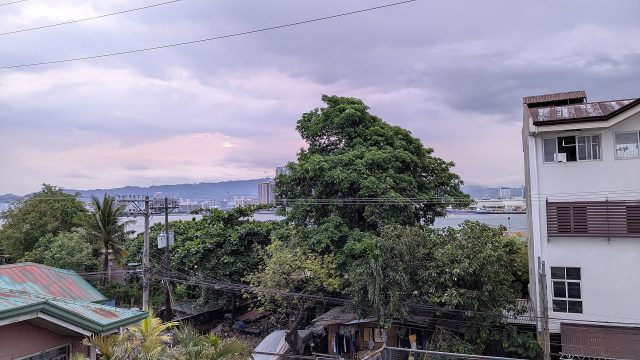
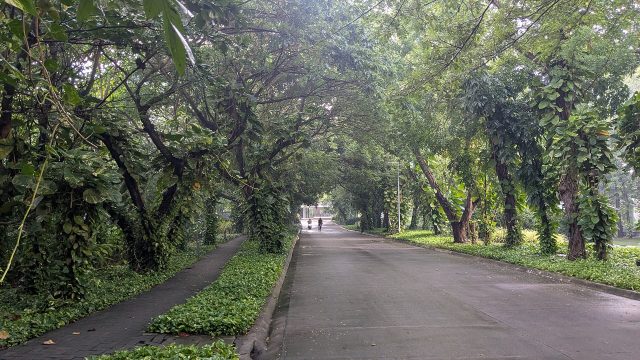
Mactan Shrine Park isn’t the kind of place that demands attention with flashy attractions or crowds of tourists. Instead, it sits quietly along the strait between Mactan Island and Cebu, where the rhythm of daily life moves at its own unhurried pace. The park feels less like a curated landmark and more like a natural extension of Lapu-Lapu City itself—wide pathways shaded by trees, wooden boardwalks stretching along the water, and a view that shifts with the hours, from the soft haze of morning to the golden glow of sunset.
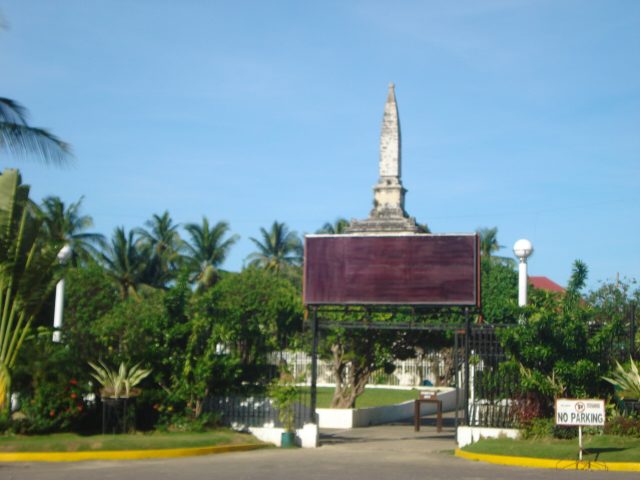
At its heart stands the statue of Lapu-Lapu, the datu who led the resistance against Spanish forces in the 16th century. The monument, with its figure poised in defiance, was erected relatively recently, yet it has become a quiet symbol of Filipino resilience. Locals treat it as part of their everyday landscape, gathering on benches nearby or bringing children to play in the open spaces. For them, it’s not just a historical marker but a familiar presence, one that blends seamlessly into the background of their lives.
The park is small but thoughtfully designed, offering shelter from the heat under the canopy of trees and a sense of openness along the waterfront. The pathways are wide and well-kept, leading to platforms where you can watch boats glide through the strait. In the evenings, the glow of lampposts adds a gentle warmth, though most of the time, the only sounds are the lapping of waves and the occasional cry of seabirds. Occasionally, the small stage near the shore hosts local performances or festivals, but more often than not, the park remains a place of quiet reflection.
What makes Mactan Shrine Park particularly interesting is its proximity to the sites where Philippine history took a dramatic turn. It was here, on the shores of Mactan, that Lapu-Lapu’s forces clashed with Ferdinand Magellan’s expedition in 1521, resulting in Magellan’s death and a pivotal moment in the region’s colonial history. A modest memorial marks the spot where the battle unfolded, and nearby, other small monuments hint at the layers of history beneath the surface. The park serves as a starting point for those who want to explore these stories further, whether by visiting the Magellan Shrine or simply walking along the waterfront, where the past feels closer than it might elsewhere.
For visitors who venture beyond the beaches and resorts, the park offers a different perspective on Lapu-Lapu City. It’s a place where you can watch fishermen return with their morning catch or see children playing along the shore, their laughter mingling with the sound of the waves. Small cafes and souvenir stalls line the nearby promenade, but the park itself remains uncluttered, a space where the focus stays on the water and the sky.
There’s something unassuming about Mactan Shrine Park, a quality that makes it feel more authentic than many tourist sites. It doesn’t try to dazzle or entertain; instead, it invites you to slow down and notice the details—the way the light changes over the strait, the way the breeze carries the scent of saltwater, the way history lingers in the air without needing to be announced. That understated charm is what makes it special. It doesn’t demand admiration but earns it quietly, simply by being a place where the past and present coexist.
In recent years, the park has become a favorite spot for locals, whether for morning jogs, evening strolls, or weekend picnics. Families spread out blankets under the trees, while groups of friends gather on benches with guitars. On weekends, small markets sometimes pop up, selling local snacks and handmade crafts, adding a touch of liveliness without disrupting the park’s peaceful atmosphere. It’s a place that belongs to the community first, a fact that only deepens its appeal.
If you find yourself in Lapu-Lapu City, it’s worth spending an hour or two here—not to check off a sightseeing box, but to sit by the water, listen to the waves, and consider how much has changed since the day two worlds collided on this very shore. The park doesn’t offer grand revelations, just a quiet space to reflect on the way history shapes a place, and how a place, in turn, shapes the people who pass through it. That, in the end, is what makes it worth visiting.