Sigulda’s Adventure Park, often called Tarzan Park by locals and visitors alike, sits nestled in the dense forests just outside the town. The name might evoke images of swinging through treetops like a jungle explorer, and in many ways, that’s exactly what this place offers. But beyond the playful nickname, the park is a well-designed network of ropes courses, zip lines, and suspension bridges that weave through the canopy of Latvia’s Gauja National Park. It’s not just about adrenaline—though there’s plenty of that—it’s also about stepping into a different rhythm, one where the rustling leaves and distant calls of birds replace the usual urban noise.
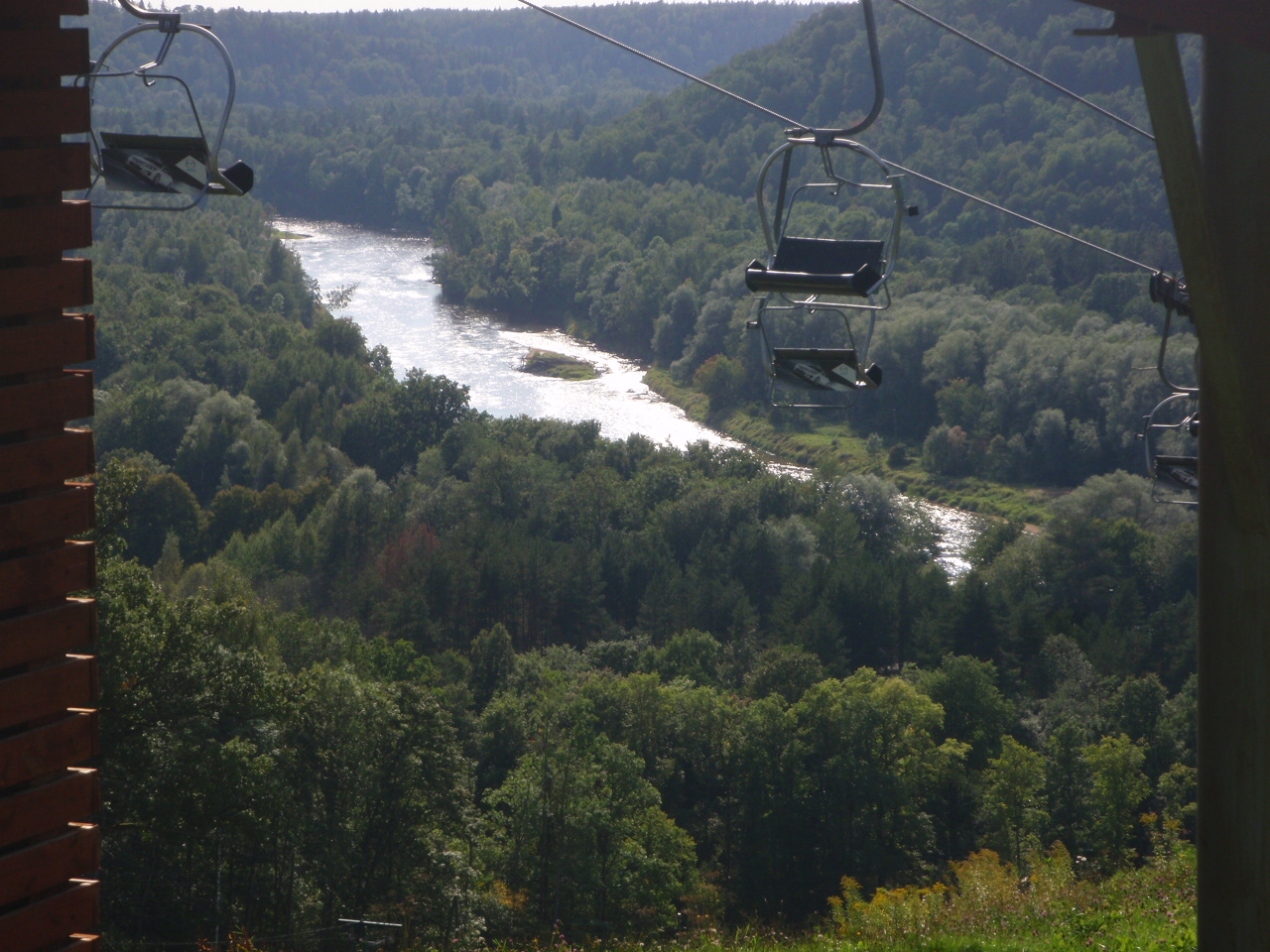
The park’s location is no accident. Sigulda itself is often called the Switzerland of Latvia, not for its mountains, but for its dramatic landscapes of sandstone cliffs, deep river valleys, and thick pine forests. The Gauja River cuts through the region, carving out a terrain that feels almost otherworldly, especially in autumn when the foliage turns shades of gold and crimson. The Adventure Park takes full advantage of this setting, with courses that follow the natural contours of the land. Some paths hug the edges of ravines, offering glimpses of the river far below, while others disappear into the trees, making you feel as if you’ve stumbled into a hidden world.
The courses themselves vary in difficulty, which means the park isn’t just for thrill-seekers. Families with children, groups of friends, or even solo visitors looking for a quiet challenge can find something that suits them. The easiest routes are low to the ground, with wide platforms and gentle obstacles, designed to build confidence before tackling higher, more demanding sections. For those who want to push their limits, there are courses that require balance, strength, and a willingness to dangle from ropes dozens of meters above the forest floor. Safety is taken seriously here—harnesses, helmets, and thorough briefings are mandatory, and staff keep a watchful eye on everyone, ready to offer guidance or a steadying hand if needed.
What makes the Adventure Park more than just a collection of obstacles is the way it encourages you to engage with the environment. Unlike urban climbing gyms or artificial adventure complexes, this place forces you to slow down and notice the details—the way the light filters through the branches, the texture of the bark under your hands, the sound of your own breath as you steady yourself before the next leap. There’s a meditative quality to it, especially on quieter days when the park isn’t crowded. The higher you climb, the more the forest opens up around you, revealing vistas of rolling hills and the distant spires of Sigulda’s medieval castle ruins.
The park’s history is relatively short compared to the ancient landscapes it occupies. It was established in the early 2000s, a time when Latvia was rediscovering its natural spaces after decades of Soviet-era development that often prioritized industry over preservation. Sigulda, with its proximity to Riga and its reputation as a weekend getaway, was a natural choice for an outdoor recreation hub. The Adventure Park was one of the first of its kind in the Baltics, and it helped set the tone for a new kind of tourism—one that valued active exploration over passive sightseeing. Over the years, it has expanded, adding new courses and refining its approach, but the core idea remains the same: to create a space where people can test their limits while reconnecting with nature.
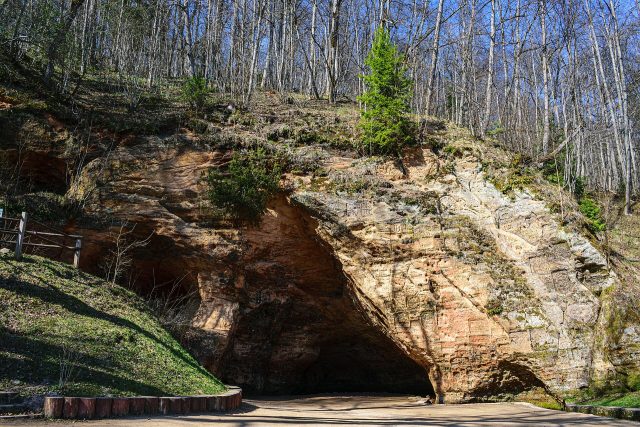
For many visitors, the park is just one stop in a longer journey through Sigulda. The town itself is small but rich in history, with ruins that date back to the Livonian Order in the 13th century. The nearby Gutmanis Cave, with its centuries-old inscriptions, and the Turaida Castle, perched on a hill overlooking the Gauja, offer glimpses into the region’s past. The Adventure Park, by contrast, feels like a celebration of the present—a place where the focus is on the immediate experience rather than the weight of history. That said, there’s something fitting about the juxtaposition. The same forests that once sheltered medieval knights and traders now host modern adventurers, swinging from ropes where ancient paths once wound through the trees.
The park is open from spring to autumn, with the best conditions usually found in late summer and early fall. Rain can make the courses slippery, so it’s worth checking the weather before heading out. Even on cloudy days, though, the atmosphere is part of the appeal. There’s a quiet magic to moving through the misty forest, the damp air filling your lungs as you navigate the obstacles. In winter, the park closes, but the landscape transforms entirely. The same trails that host zip lines in the warmer months become cross-country skiing routes, and the cliffs take on a stark, icy beauty. It’s a reminder that this place is always changing, always offering something new to those who take the time to look.
Visiting the Adventure Park isn’t just about the physical challenge—it’s about the small moments that come with it. The laughter of a group of friends as they cheer each other on, the quiet satisfaction of finally mastering a tricky section, the way the world seems to pause when you’re suspended in mid-air, looking out over the treetops. It’s the kind of place that stays with you long after you’ve untied your harness and stepped back onto solid ground. And perhaps that’s the real draw: not just the thrill of the climb, but the chance to see the world—and yourself—a little differently.