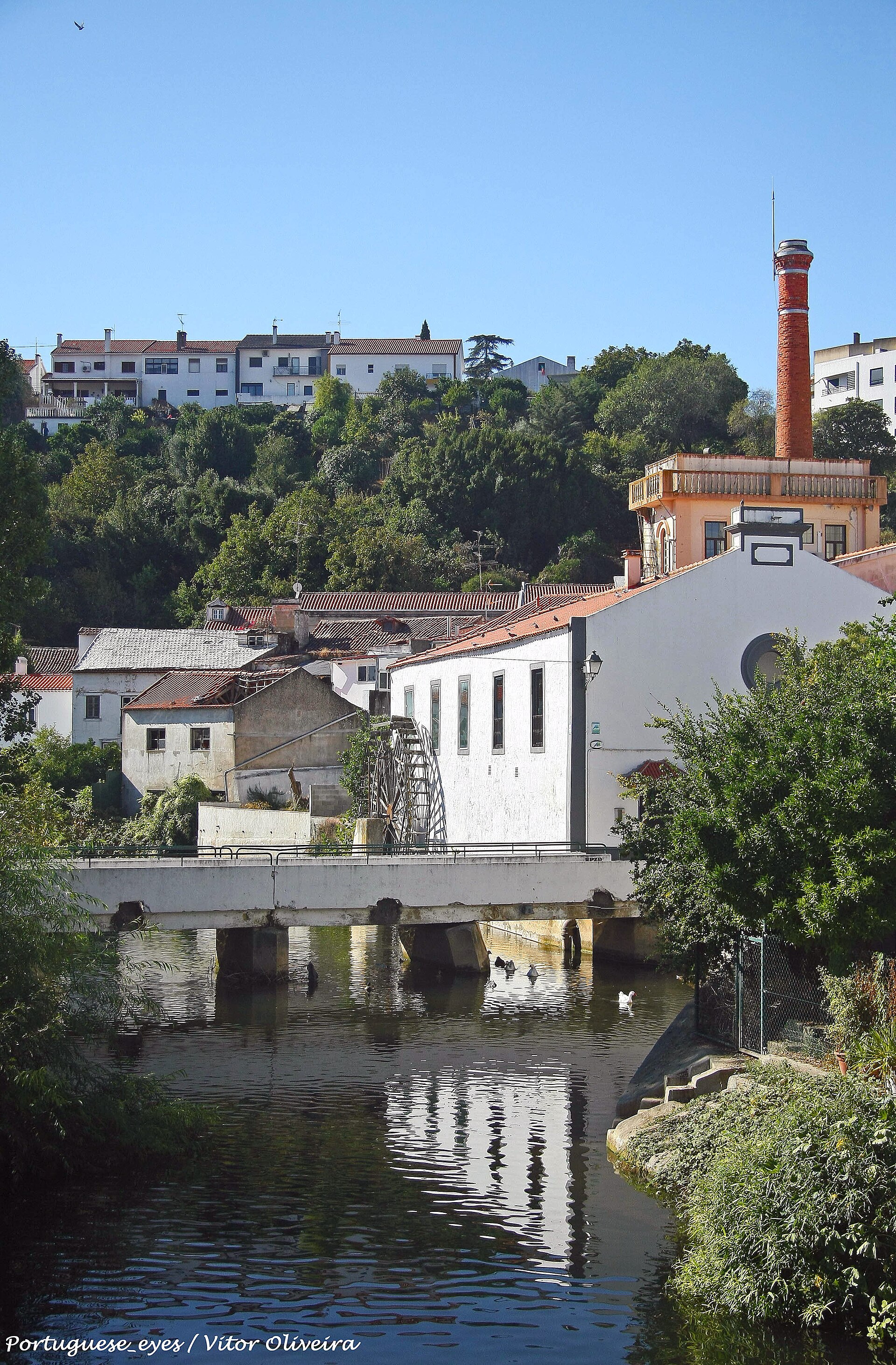
Victory Park in Batalha is one of those places where history and nature blend so seamlessly that you might not even notice the transition. It sits on a gentle hill just beyond the walls of the famous monastery, almost as if it were an extension of the stone and Gothic grandeur—only softer, quieter, without the weight of centuries pressing down. There are no crowds here, no tourists jostling for the perfect photo, and even locals don’t come every day. The park is little more than a sloping expanse of green, crisscrossed by winding paths, dotted with trees, and framed by views of the surrounding countryside. It invites you to slow down, to walk without purpose, to let the stillness settle in.
The name isn’t just symbolic. The park was created in 1918, as World War I drew to a close, to honor the Portuguese soldiers who had fought and died in the trenches of Europe. Many never returned. But instead of a grand monument of bronze or marble, the park was designed as something living—a place where memory isn’t carved into stone but woven into the rustling leaves, the dappled sunlight, the quiet benches where people sit and think about how wars end, yet life somehow goes on. There’s no pomp here, no heroic posturing, just the quiet acknowledgment of loss.
There’s nothing architecturally remarkable about the park. The trees weren’t planted in neat rows but scattered as if by chance, their branches stretching toward the sky without order. At the center stands a modest obelisk, its surface etched with dates and a few words about those who gave their lives for their country. No names, no faces—just the bare fact of sacrifice. It’s not a memorial to individuals but to the idea of loss itself, a reminder that behind every war are ordinary people who never asked for it.
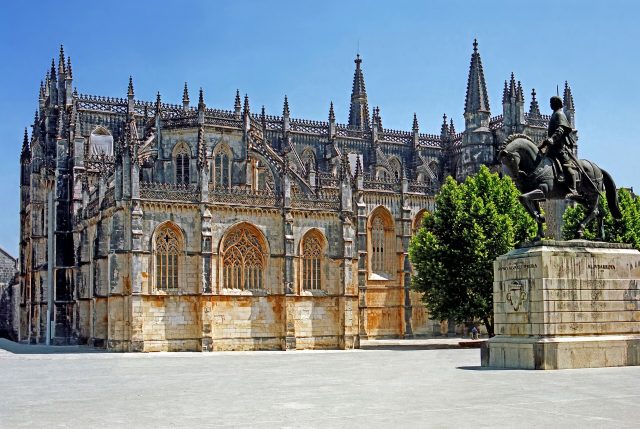
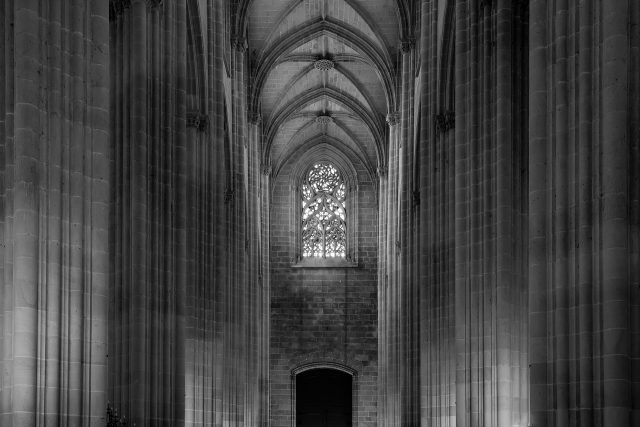
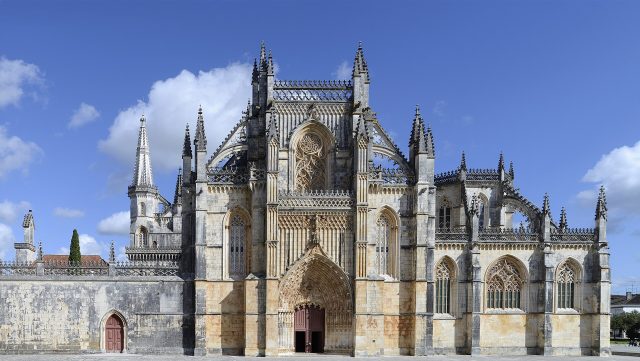
Batalha is a town steeped in history, and the monastery of Santa Maria da Vitória looms over it like a silent guardian. Built in the 14th century to commemorate Portugal’s victory over Castile, its soaring spires and intricate stonework are a testament to a time when the country was a rising power, its ships setting sail for unknown shores. Victory Park feels like a natural continuation of that history, though without the grand narrative of triumph. There are no battle cries here, no tales of glory—just the quiet understanding that war leaves scars, and some of them are carried not in stone, but in the land itself.
The park is a place for everyday life. Families come here with children, who race along the paths while parents spread out blankets on the grass. Older couples stroll slowly, feeding the pigeons that gather at their feet. There’s no agenda, no need to perform or document the moment. It’s just a place to be, to let the hours pass without hurry. In summer, the shade offers relief from the heat of the town. In autumn, the fallen leaves crunch underfoot, their colors muted but rich. Winter strips the trees bare, giving the park a somber beauty, while spring brings magnolias in bloom, their sweet scent drifting on the breeze.
Tourists rarely find their way here. Most who visit Batalha never venture beyond the monastery, and those who do usually stumble upon the park by accident. That’s part of what makes it special. There’s no pressure to admire, no need to pose or prove you’ve been somewhere meaningful. You can sit on a bench, watch the clouds drift overhead, and feel the weight of the world lift, if only for a little while. The park doesn’t demand attention—it simply offers itself, a quiet space where time seems to slow down.
Occasionally, small events take place here—open-air concerts, local art displays—but they’re rare, and the park never loses its sense of calm. It’s not a venue for spectacle but a refuge, a place where the noise of the world fades into the background. Even when people gather, the atmosphere remains unhurried, as if the park itself sets the pace.
Batalha moves at its own rhythm, unhurried and unpretentious. Victory Park is very much a part of that rhythm. It doesn’t ask for much, but those who spend time here often find themselves returning, drawn by something intangible—less about grandeur or fame, more about the quiet persistence of memory and the simple comfort of stillness. It’s a place where history isn’t just remembered; it’s felt.