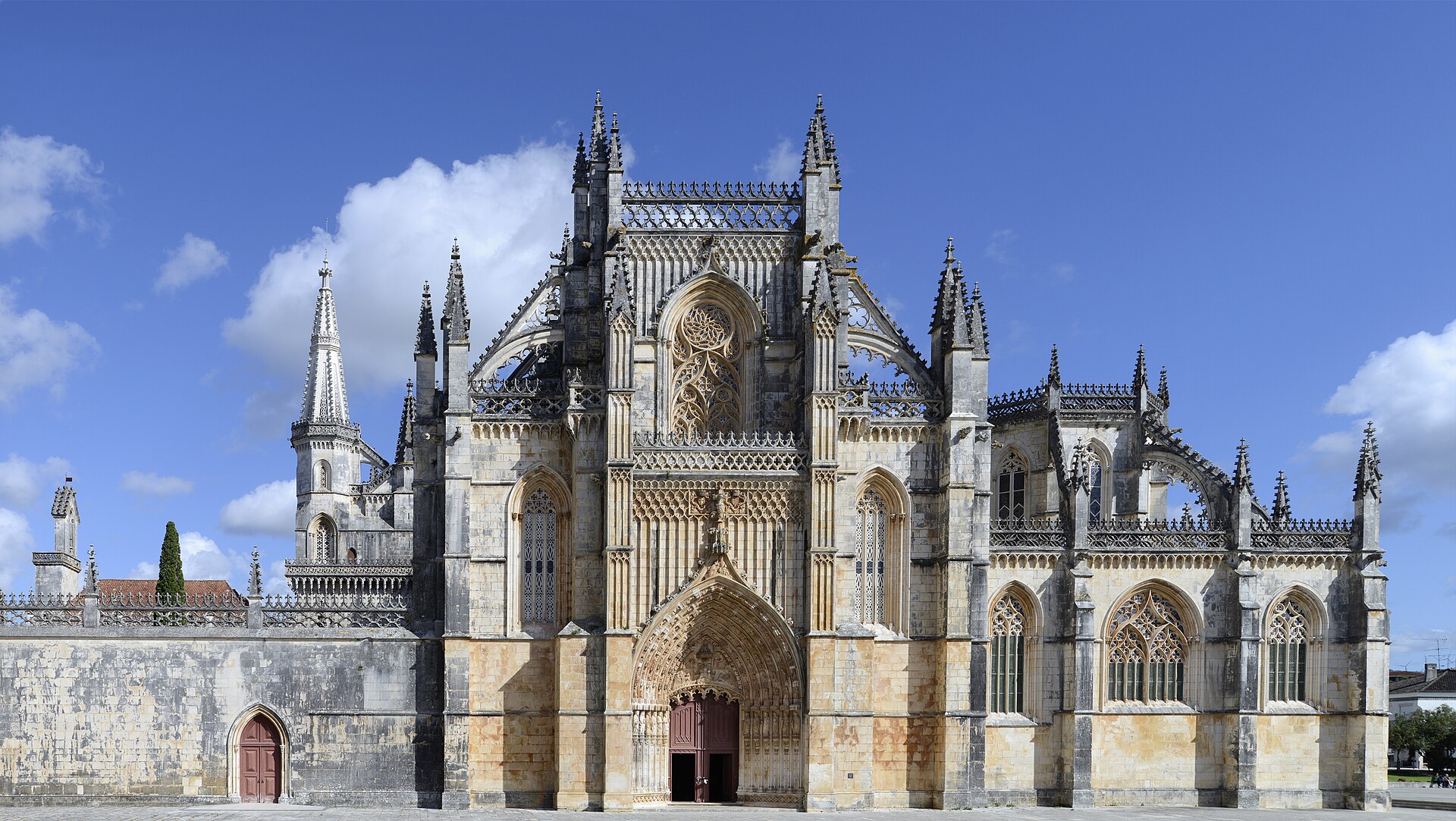
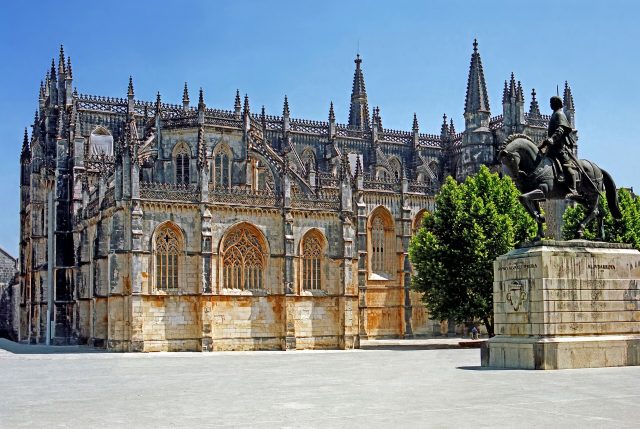
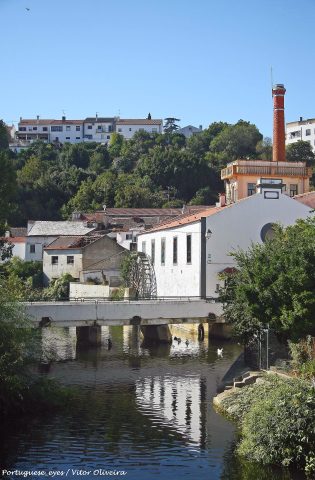
Batalha’s museum is one of those rare places where history doesn’t feel trapped behind glass. It sits in a town that already feels like an open-air exhibit—narrow streets lined with tiled roofs, the kind of quiet corners where you half-expect to see a monk hurrying past with a scroll under his arm. Most visitors come for the monastery, that towering Gothic masterpiece on the hill, but the museum offers something just as essential: a way to understand the lives that unfolded around it, the people who built it, fought for it, and lived in its shadow.
The building itself is part of the story. It’s an 18th-century manor, not some modern box of steel and concrete, but a place with thick walls, arched windows, and a courtyard where travelers once rested their horses. The architecture doesn’t demand attention—it invites you to slow down. The ceilings are high, the doors heavy, and the wooden beams overhead look like they’ve been holding up the sky for centuries. Inside, the rooms flow in a way that feels natural, as if the past is simply unfolding around you rather than being staged for display.
The collection isn’t just about the monastery, though that’s where it begins. There are artifacts from medieval times to the 20th century, but the heart of the museum is the Battle of Aljubarrota in 1385. That victory over the Castilians wasn’t just a military turning point—it was the reason the monastery exists at all. King João I promised to build it as thanks to the Virgin Mary, and the museum holds the remnants of that era: swords, armor, maps, and documents that make the battle feel almost tangible. You can almost hear the clash of steel, the shouts of men, the weight of a kingdom hanging in the balance.
But war isn’t the only story here. The museum also holds the quieter, more intimate side of Batalha’s history. There are rooms dedicated to the crafts that flourished in the town—delicate painted tiles that once adorned churches and homes, tools used by woodcarvers who shaped the monastery’s altars. The religious art collection is particularly striking: statues of saints, chalices, illuminated manuscripts. These aren’t just relics; they’re evidence of how faith shaped daily life, how it found its way into art, into the rhythm of the town.
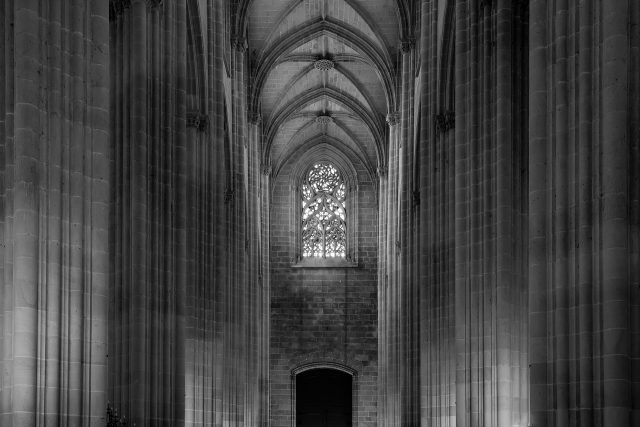
One of the most fascinating sections is devoted to the monastery’s construction. It’s easy to stand in front of Batalha’s soaring arches and assume it all came together effortlessly, but the museum shows the reality: models, blueprints, and tools that reveal how the project evolved over 150 years. The monastery is a mix of Gothic grandeur and Manueline flourishes, and the museum explains how plans changed, how techniques improved, how generations of stonemasons left their mark. Even the famous Unfinished Chapels, those skeletal structures that were never completed, get their due here. They’re a reminder that history isn’t always neat—sometimes it’s just what people managed to finish before time ran out.
This isn’t a museum where you rush from one exhibit to the next. The best moments here happen when you pause. In some rooms, soft music plays. In others, a guide’s voice drifts through the air in Portuguese, but even if you don’t understand the words, the tone carries the weight of the stories. From the museum’s windows, you can see the monastery on its hill, watching over the town like a silent guardian. It’s hard not to feel the connection between the two—the museum as the keeper of memories, the monastery as the monument that inspired them.
What makes Batalha’s museum special is its lack of pretension. There’s no attempt to dazzle with scale or spectacle. Instead, it feels deeply human. Old photographs of townspeople, letters, everyday objects that belonged to ordinary lives—these are the things that ground the grand narratives of kings and battles. The museum doesn’t just tell you about history; it shows you how people lived within it, how they carried it with them in small, personal ways.
After you leave, the town itself feels different. Batalha is small, but it has a quiet charm—squares where old men play cards, cafés serving local wine, streets that curve toward the monastery like tributaries to a river. The museum changes how you see it. The monastery isn’t just a tourist attraction anymore; it’s part of a living story, one that didn’t end when the last stone was laid. Maybe that’s why people come back. Not for the grandeur, but for the sense that some things endure, even as the world around them changes.