Muskau Park is one of those rare places where nature and human design merge so seamlessly that it’s hard to believe it wasn’t always this way. Straddling the Neisse River, it flows effortlessly across the border between Germany and Poland, a single landscape divided only by a line on a map. Created in the early 19th century, the park was the vision of Prince Hermann von Pückler-Muskau, a man who saw gardens not as mere decoration but as living art. He wanted every path to unfold like a story—one moment revealing a quiet meadow, the next a sudden glimpse of water, then a dense grove giving way to open fields. It was less about control and more about discovery, a place where the land itself seemed to guide the visitor.
Pückler-Muskau was no ordinary aristocrat. He traveled widely, studying the great English gardens of his time, and returned with ideas that would redefine landscape design. For him, a park wasn’t just a backdrop for a grand estate but a canvas where trees, water, and stone became brushstrokes. He wasn’t afraid to reshape the land—diverting streams, planting exotic species, even sculpting hills—to create something that felt both intentional and wild. The bridges he designed weren’t just functional; they were part of the scenery, framing views and leading the eye toward the next surprise. His approach was radical for the era, blending romanticism with a deep respect for nature’s unpredictability.
Time hasn’t been kind to Muskau Park. World War II left deep scars—trees felled, bridges destroyed, the central castle reduced to ruins. Yet the park has endured, slowly restored to something close to its original splendor. The most striking example is the double bridge over the Neisse, rebuilt to span the border between Germany and Poland. Walking across it feels like stepping between worlds, a quiet reminder of how landscapes can outlast the divisions we impose on them. The park’s resilience is a testament to the care of those who’ve tended it over the decades, ensuring that Pückler-Muskau’s vision didn’t fade entirely.
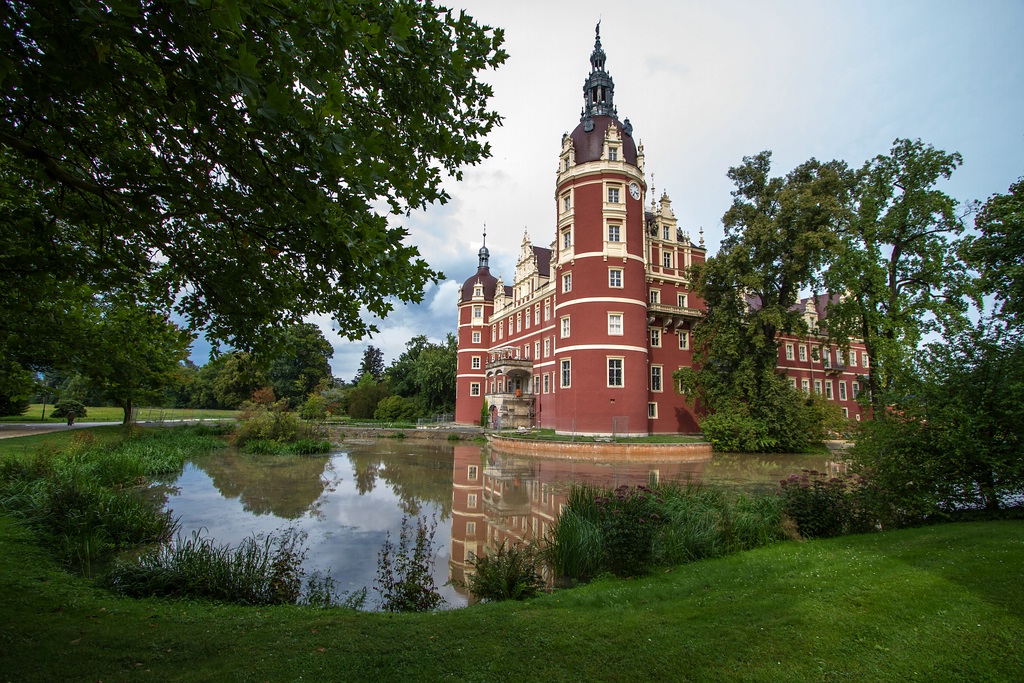
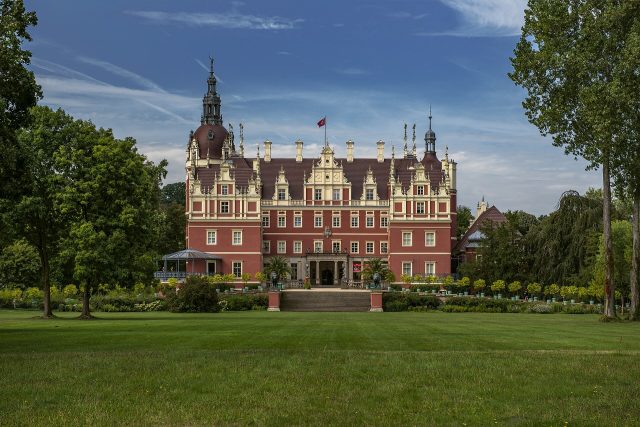
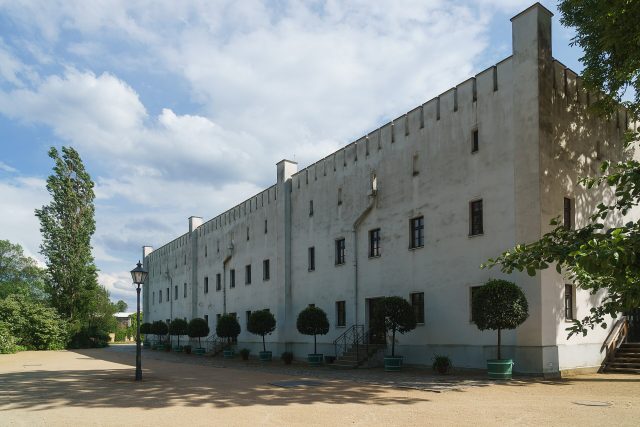
The ruins of Muskau Castle still stand at the heart of the park, their weathered stones softened by time and overgrown with ivy. There’s a melancholy beauty to them, a sense of history lingering in the air. Nearby, the old orangeries now house collections of flowers and shrubs, their glass walls reflecting the changing seasons. Not far away, the English Cottage—a small, unassuming building—offers a glimpse into the prince’s private world. It was here, in this modest retreat, that he would escape to think, write, or simply watch the light shift across the landscape. These structures, though modest compared to the grandeur of the park itself, add layers to the story, hinting at the man behind the design.
One of the park’s most fascinating features is the arboretum, a living catalog of trees and shrubs from around the world. Towering sequoias stand beside delicate Japanese maples, while oaks and beeches form natural cathedrals of shade. Each species was chosen not just for its beauty but for how it would interact with the land and the seasons. In spring, magnolias and rhododendrons burst into bloom; summer brings lush greenery; autumn turns the leaves to gold and crimson; and winter strips the branches bare, leaving only the quiet hush of snow. The arboretum isn’t just a collection—it’s a carefully composed symphony of growth and decay, a reminder that even the most deliberate designs must yield to time.
Walking through Muskau Park is like moving through a series of carefully staged scenes. A path might lead you to a hidden pond where swans glide across still water, or to a secluded gazebo framed by overhanging branches. A hill that seems distant from one angle reveals itself as an artificial mound from another, while the river, which moments ago was hidden behind trees, suddenly appears in full view. The park plays with perspective, inviting you to see the landscape anew with every step. There are no grand monuments here, no obvious focal points—just the quiet pleasure of discovery, the sense that the land itself is guiding you.
Unlike more famous tourist destinations, Muskau Park rarely feels crowded. There are no tour groups rushing from one attraction to the next, no souvenir stands cluttering the paths. Instead, there’s space to wander, to sit by the water, or to simply stand and listen to the wind in the leaves. Early mornings are especially magical, when mist still clings to the river and the only sounds are the calls of birds and the rustle of grass. Evenings, too, have their own charm, as the setting sun turns the trees to silhouettes and the air grows cool. It’s a place where time seems to slow, where the outside world fades into the background.
What makes Muskau Park truly special is the way it blurs the line between the natural and the man-made. It’s not a wilderness, but it doesn’t feel entirely cultivated either. There’s a sense of harmony here, as if the land and the design have finally settled into an easy coexistence. The park doesn’t just show you beauty—it makes you feel it, in the way the light filters through the leaves or the way the water reflects the sky. It’s a place that lingers in the memory long after you’ve left, not because of any single feature, but because of the way it makes you see the world differently.
Perhaps that’s why people keep returning. Muskau Park isn’t just a place to visit; it’s a place to experience. It doesn’t demand your attention with grand gestures or dramatic vistas. Instead, it rewards patience, inviting you to look closer, to notice the way a branch curves over a path or how the colors shift in the late afternoon. There’s a quiet intelligence to the design, a sense that every element—every tree, every bend in the river—was placed with intention. And yet, for all its careful planning, the park never feels rigid. It breathes. It changes. It endures.