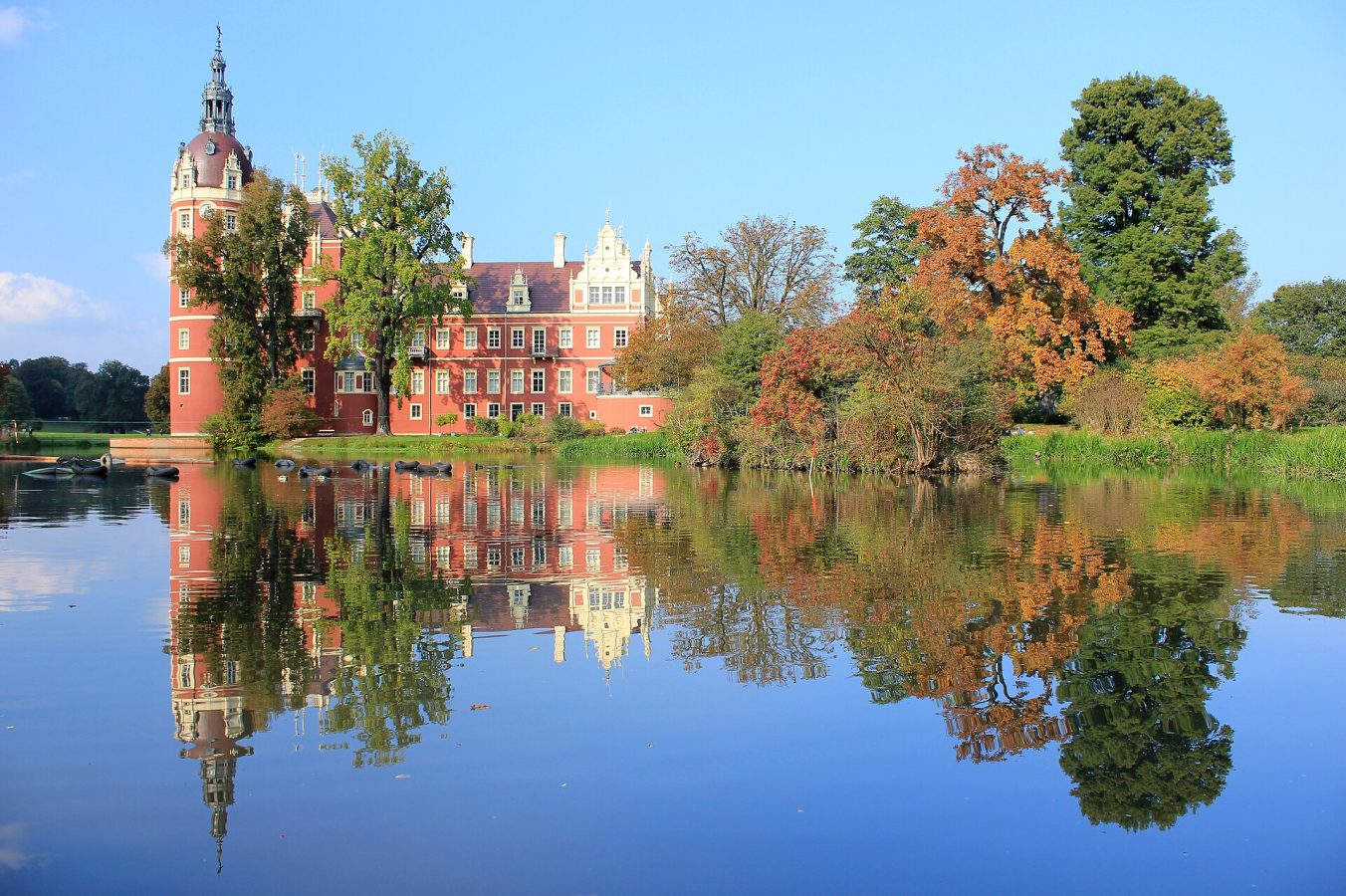
Muskau Park
Poland · 3 places
Photo: Kora27, CC BY-SA 4.0
Bad Muskau sits quietly on the border between Poland and Germany, a place where the Lusatian Neisse River cuts through streets and parks, dividing them as effortlessly as it flows. There’s no rush here, no crowds of tourists, just the soft rustle of leaves in the old park and the occasional whistle of a train from the nearby station. The town is small, but its history and atmosphere give it a weight that belies its size. Once a retreat for aristocrats seeking rest and rejuvenation, today it feels like a place where time has slowed, where the past lingers in the cobblestones and the low hum of everyday life.
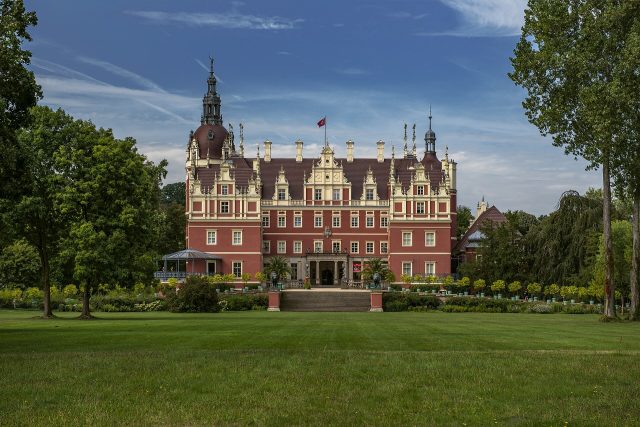
At the heart of Bad Muskau lies Muskau Park, one of Europe’s largest landscape gardens, sprawling across both sides of the border. It was the vision of Prince Hermann von Pückler-Muskau in the early 19th century, a man who dreamed of blending nature and architecture into something alive, something that would shift and change with every step. There are no rigid lines here, no formal symmetry—just winding paths leading to unexpected discoveries: the ruins of an old castle, a gazebo perched on a hill, a quiet meadow by the water. The park feels like a painting that never stays the same, especially when you wander into the Muskau Palace, where the interiors still whisper of the Romantic era, or climb to the viewpoint overlooking the Neisse Valley.
The town itself is more of a quiet companion to the park than a destination in its own right. The center is a cluster of well-preserved 19th-century houses, now home to cozy cafés and small guesthouses. In summer, open-air concerts fill the air, while winter wraps everything in a hush, broken only by the crunch of snow underfoot. The locals are used to visitors but don’t fuss over them—life here moves at its own pace, unhurried and unchanging. If you’re lucky, you might stumble upon a crafts fair or a festival celebrating the region’s history, but even without them, Bad Muskau has a way of making you feel like you’ve stepped into a slower rhythm.
What makes this place truly unique is how seamlessly it straddles two countries. The border isn’t marked by fences or checkpoints—just a bridge, and suddenly you’re in Germany, though the landscape barely changes. The German side of the park is more polished, with neatly kept paths and signs, while the Polish side feels wilder, more untamed. Tourists can cross freely, and many come just for the novelty of stepping between nations without showing a passport. It’s a reminder of how closely history and culture are woven together here, where a border doesn’t divide but connects.
Bad Muskau isn’t for those looking for bustling nightlife or luxury resorts. It’s a place for quiet walks, for moments of reflection, for small discoveries. You can rent a bike and explore the countryside, stopping in a nearby village or by the river where fishermen still cast their lines from small boats. Or you can simply sit on a bench in the park and watch the sun dip behind the hills, turning the sky gold. There’s no need to rush here—just being is enough, and if you let it, the town will reveal itself in ways you didn’t expect.
See & Do
3 places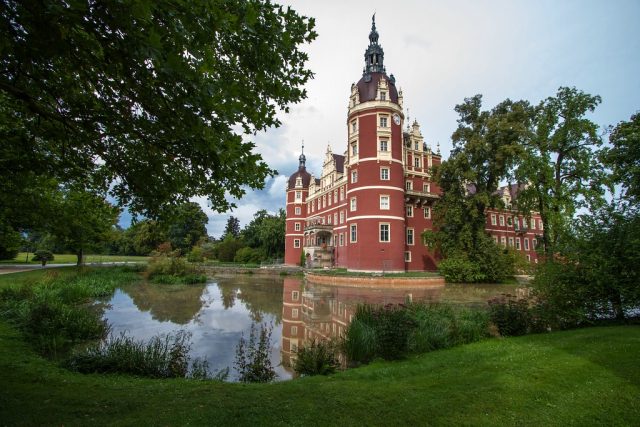
Places on the map
Marker colour follows the categoryClimate and weather
Detailed weather: Muskau Park- Average temperature
- 10 °C
- Precipitation per year
- 601 mm
- Sunshine hours per day
- 5.1 h
Average air temperature
°C
1
3
5
9
14
19
20
20
15
11
5
3
Jan
Feb
Mar
Apr
May
Jun
Jul
Aug
Sep
Oct
Nov
Dec


