Muskau Park is one of those rare places where human design and nature blend so seamlessly that it feels as if the trees, bridges, and ponds have always belonged here. At its heart stands the old orangery, built in the mid-19th century when Prince Hermann von Pückler-Muskau set out to transform his estate into a perfect landscape garden. The orangery was never just a greenhouse for exotic plants—it was part of a grand vision where architecture existed to enhance nature, not dominate it.
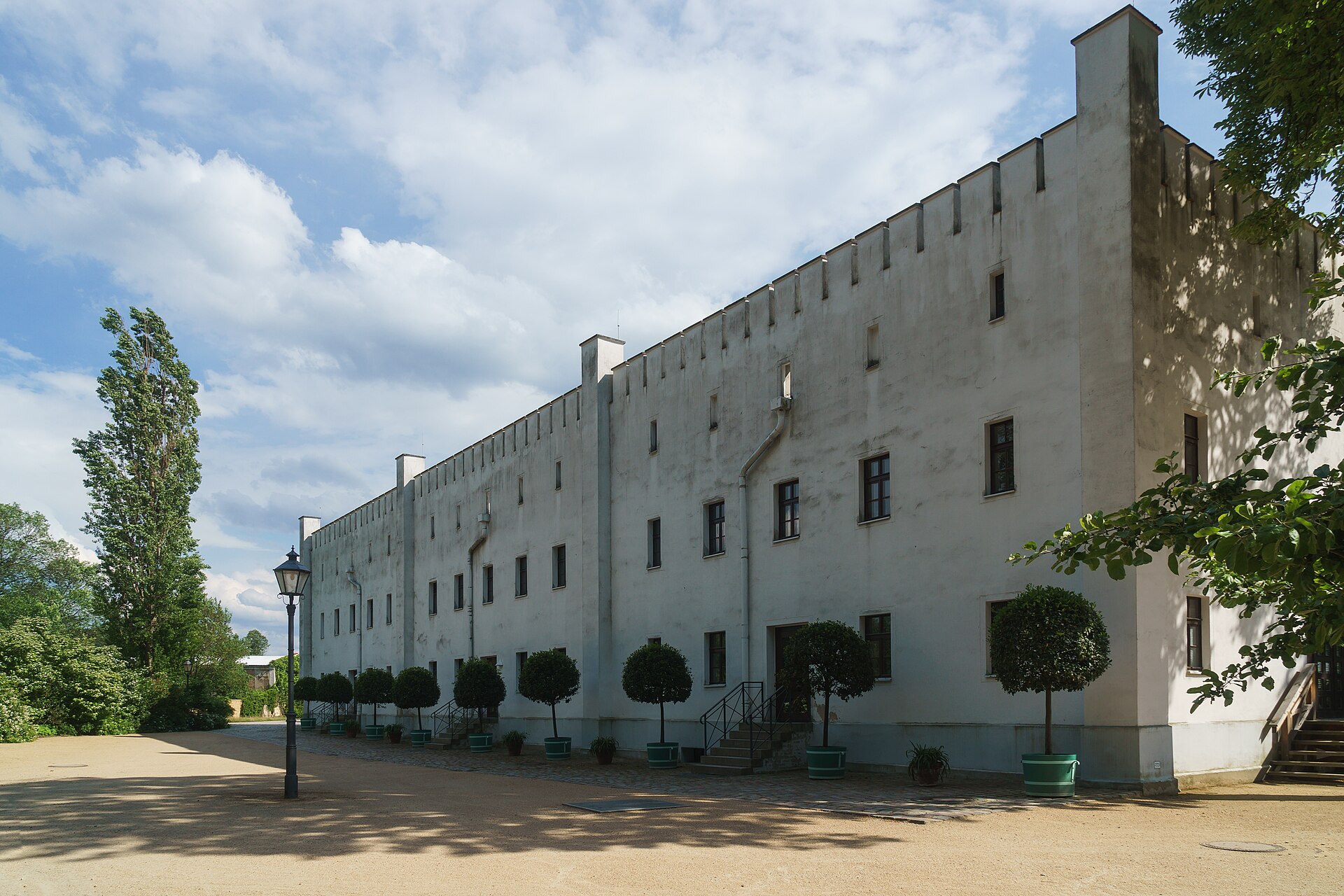
The building itself is unassuming against the vastness of the park, yet its design carries a quiet elegance. Brick walls, large arched windows, and a light roof give it an airy quality, as if the structure itself is trying to dissolve into the greenery. Inside, it once housed rare plants brought from distant lands—palms, citrus trees, orchids—reflecting Pückler’s passion for botany and his travels. He wasn’t just a gardener; he was a collector of the world’s beauty, and the orangery was his living museum.
Today, the orangery no longer serves its original purpose, but its walls still hold the spirit of that era. The remnants of old structures, the weathered bricks, and the rusted metal beams tell a story of time passed. Occasionally, small exhibitions or cultural events take place here, but more often, it’s simply a quiet spot where visitors can sit in the shade and imagine the conversations that once filled the air—guests discussing distant colonies, the scent of blooming flowers mingling with the breeze.
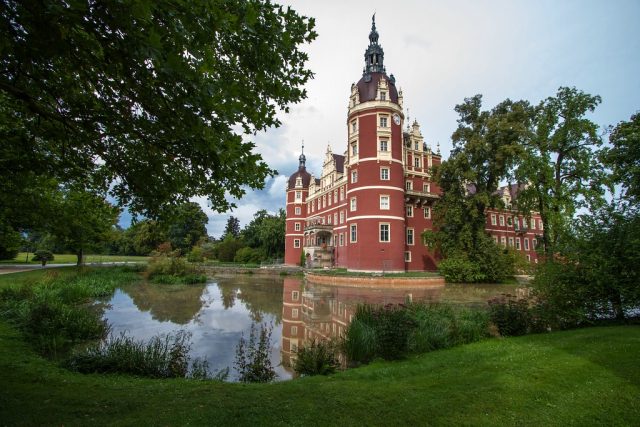
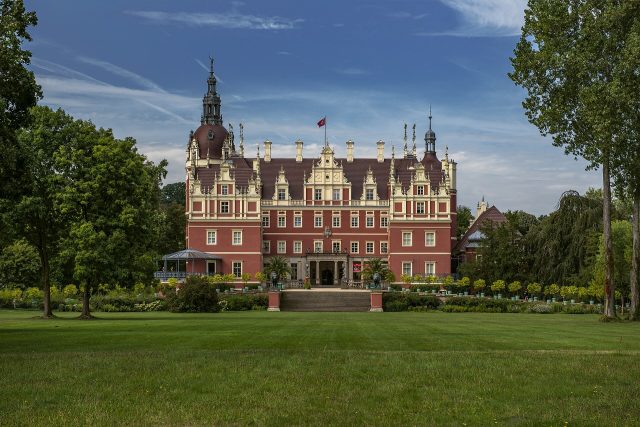
The park surrounding the orangery is a masterpiece in its own right. Designed to unfold like a series of paintings, every turn reveals something new—a lake with swans, a bridge over a stream, a meadow bursting with wildflowers. Pückler believed a garden should feel like a living canvas, where nothing is forced, yet everything is intentional. The orangery served as a focal point in this design, a place where nature and human craftsmanship met in perfect balance.
One of the park’s most intriguing features is its division between Poland and Germany. The orangery sits on the Polish side, but the garden itself ignores borders. Once, this was the boundary between Prussia and Saxony; after World War II, it marked the divide between East Germany and Poland. Today, the border is nearly invisible. Visitors can stroll across bridges, moving from one country to another without even realizing it, as if the land itself refuses to acknowledge such divisions.
Time moves differently here. In summer, the park is alive with the hum of leaves and the fragrance of flowers; in winter, frost clings to the branches, and the orangery takes on a cozy charm against the snow-dusted paths. Locals come for leisurely walks, tourists pause to photograph the bridges and ponds, and some simply sit on a bench with a book, listening to the birds. There’s no rush, no crowds—just the quiet beauty of a place that doesn’t demand attention but earns it effortlessly.
The orangery is more than just an old building; it’s a piece of a larger idea that still resonates today. It stands as a reminder of how beauty can be created without destroying what already exists—how human hands can shape the land without erasing its soul. The plants that once grew here are long gone, but the spirit of Pückler’s vision lingers in every brick, in every shaft of sunlight filtering through the trees. It’s a place where history feels alive, not as something preserved behind glass, but as something that continues to breathe.