Gonbad-e Kavus is a city where the past and present coexist in quiet harmony, and Mellat Park stands as a gentle reminder of that balance. Tucked away from the main thoroughfares, it offers a rare moment of stillness in an otherwise bustling urban landscape. The park isn’t grand or ostentatious—just a well-kept expanse of greenery where locals and visitors alike come to slow down. Wide pathways wind beneath the shade of mature trees, their branches forming a natural canopy that softens the summer heat. There are no crowds here, no vendors calling out, no amusement rides breaking the peace. Instead, the park moves at its own unhurried pace, a place where the simple act of sitting on a bench or strolling along a path feels like a small rebellion against the rush of modern life.
The park’s origins trace back to the mid-20th century, a time when Iran was rapidly urbanizing and cities were beginning to recognize the need for public spaces. Gonbad-e Kavus, like many other towns, sought to create a refuge where people could gather, relax, and escape the concrete sprawl. Mellat Park was conceived as just that—a green oasis in the heart of the city. Over the decades, it has grown into an integral part of the urban fabric, its purpose unchanged: to offer a place for quiet reflection, casual meetings, and the kind of leisure that doesn’t require anything more than time and an open sky.
What makes the park so appealing is its unassuming simplicity. There are no elaborate fountains or towering monuments, just practical design that serves the people who use it. Benches line the pathways, their wood worn smooth by years of use. Small pavilions provide shelter from the sun, their open sides inviting breezes to pass through. At the center of the park, a circular plaza often hosts local events—a concert, a craft fair, or an impromptu gathering. The trees here are tall and sturdy, their leaves rustling softly in the wind, and in the warmer months, the air is thick with the scent of blooming shrubs and freshly cut grass.
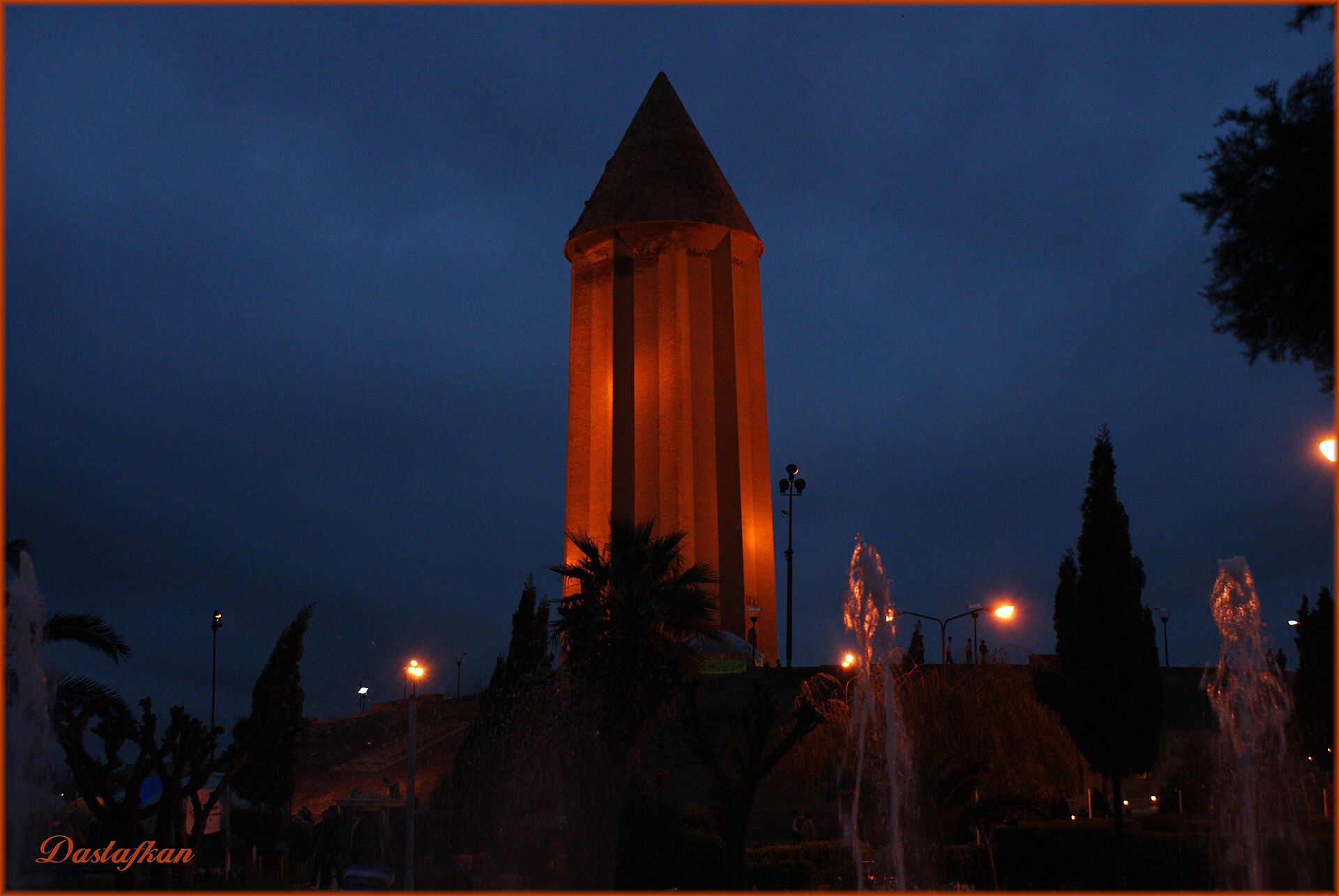
Gonbad-e Kavus itself is a city steeped in history, and Mellat Park acts as a quiet counterpoint to the ancient wonders that surround it. Just a short distance away stands the Gonbad-e Qabus Tower, a UNESCO World Heritage site and one of the most striking examples of early Islamic architecture in Iran. Built in the 11th century, the tower’s massive brick dome rises over the landscape, a testament to the region’s past as part of the Great Seljuk Empire. The park, by contrast, is a product of a much later era, yet it serves as a space where that history can be contemplated in comfort. Under the shade of its trees, visitors can sit and consider the centuries that separate the tower’s construction from the present day, all while enjoying the same sky that has arched over this land for generations.
The park’s atmosphere shifts with the hours. In the early morning, it belongs to those who seek movement—joggers pacing along the paths, groups practicing yoga on the grass, or older men stretching their limbs in slow, deliberate motions. By midday, families arrive, children darting between the trees while parents spread out picnics or settle onto benches with books. Students often linger here, their textbooks open beside them, the quiet hum of conversation blending with the sound of leaves. As evening falls, the park takes on a different character. The air cools, and the glow of streetlamps casts long shadows across the pathways. Laughter carries from groups gathered near the plaza, and the scent of tea from nearby cafés mingles with the earthy aroma of the park itself.
Mellat Park is more than just a place to rest—it’s a vital part of the city’s social and cultural life. In Iran, public spaces like this serve as gathering points for everything from festivals to political rallies, reflecting the country’s tradition of communal engagement. Yet even as it hosts these larger events, the park retains its role as a sanctuary. It’s a place where people can come to voice their opinions or simply to escape the noise of the city, where the rhythm of daily life unfolds without pretense. For locals, it’s a familiar backdrop to countless ordinary moments—first dates, family outings, solitary walks after work. For visitors, it offers a glimpse into the everyday pulse of the city, far removed from the polished narratives of guidebooks.
Those arriving in Gonbad-e Kavus for the first time might find Mellat Park a useful starting point for exploring the city. From here, it’s easy to reach other landmarks, but the park itself provides something just as valuable: a sense of how the city breathes. Nearby cafés serve strong black tea and sweet sherbet, their tables often filled with men playing backgammon or debating the news of the day. A short walk away, the local market bustles with vendors selling fresh produce, spices, and handmade goods. The park, in its quiet way, encourages visitors to linger, to observe, and to see the city not just as a collection of historical sites but as a living, evolving place.
In recent years, Iran has placed greater emphasis on developing urban green spaces, recognizing their importance in fostering community and well-being. Mellat Park is a modest example of this effort—small in scale but significant in impact. It doesn’t aim to impress with grandeur or spectacle; instead, it offers something far more enduring: a space that feels genuinely human. There are no unnecessary frills, no forced attractions, just the essentials—shade, silence, and the freedom to sit and watch the world go by. In a country where history is often measured in millennia, the park stands as a reminder that some of the most meaningful places are those that allow us to pause, to breathe, and to simply be.