Hualien Art Museum is one of those quiet places where the rush of modern life slows just enough to let something deeper emerge. Tucked away on Taiwan’s less-traveled east coast, it doesn’t draw the same crowds as the island’s more famous cultural spots. There are no grand declarations here, no pressure to be impressed—just art that lingers, inviting you to look closer, think differently, or simply pause.
The building itself is a study in restraint. Its design balances clean lines with subtle curves, and large windows filter in a soft, even light that seems made for contemplation. Inside, the space feels uncluttered, almost meditative. The noise of the city fades, and even when rain lashes against the glass or wind rattles the trees outside—common enough in Hualien—the museum remains a calm, almost timeless place. It’s as if the outside world moves at one pace, and this space moves at another.
The collection resists easy categorization. You’ll find everything from ink landscapes that echo classical Chinese traditions to bold contemporary works where paint, metal, and light collide in unexpected ways. Many pieces reflect the unique character of eastern Taiwan—its mountains, its ocean, the rhythms of rural life. Local artists often draw from the region’s natural beauty, but also from its layered history, where indigenous cultures, Chinese settlers, and traces of Japanese colonial influence have all left their mark. The museum doesn’t just display art; it tells a story of how people here have long seen and shaped the world around them.
Though smaller than Taipei’s grand galleries, the museum keeps things fresh with rotating exhibitions. One month might bring a retrospective of a well-known Taiwanese painter, the next a themed show exploring a particular movement or moment in art history. Some exhibits invite interaction—touching, listening, even creating—while others ask for nothing more than quiet observation. Occasional talks and workshops offer deeper context, but even without them, a visit feels like a small journey, each room revealing something new.
Hualien itself is part of the museum’s character. Unlike Taiwan’s bustling cities, this is a place where life moves at a gentler pace. The museum sits in a town shaped by overlapping cultures: the indigenous Amis and Atayal peoples, Han Chinese settlers, and the lingering influence of Japan’s colonial era. You can see this mix in the art—traditional motifs from tribal myths alongside modern interpretations of the same themes. It’s a reminder that culture isn’t static; it’s something that grows and shifts over time.
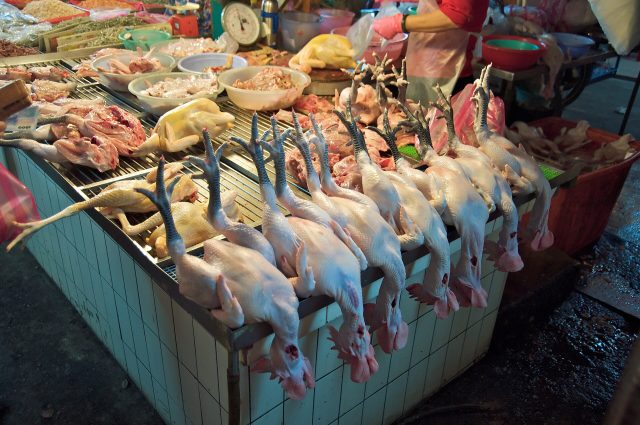
After visiting, the rest of Hualien feels like a natural extension of the experience. The city isn’t built for tourists. There are no towering skyscrapers, no crowded streets—just a quiet riverfront where locals stroll or fish, and small cafés serving tea and sweets. In the evenings, the night markets come alive with the sounds of conversation and the scent of grilled food, but even then, the energy is unhurried. It’s the kind of place where you might wander into a shop selling handmade ceramics or pause to watch the sunset over the mountains.
The museum isn’t just for art enthusiasts. It’s for anyone who’s ever wondered how a place—or a piece of art—can hold so many different stories at once. There’s no single way to engage with what’s on display. Some visitors might lose themselves in the details of a painting, while others will walk away with more questions than answers. That’s part of the point. The best art doesn’t just decorate a space; it changes how you see it.
What makes the Hualien Art Museum special isn’t its size or its fame, but its ability to make you slow down. In a world that often feels like it’s moving too fast, that’s no small thing. Whether you spend an hour or an afternoon here, the museum offers something rare: a chance to step outside the noise and see what happens when you let art do the talking.