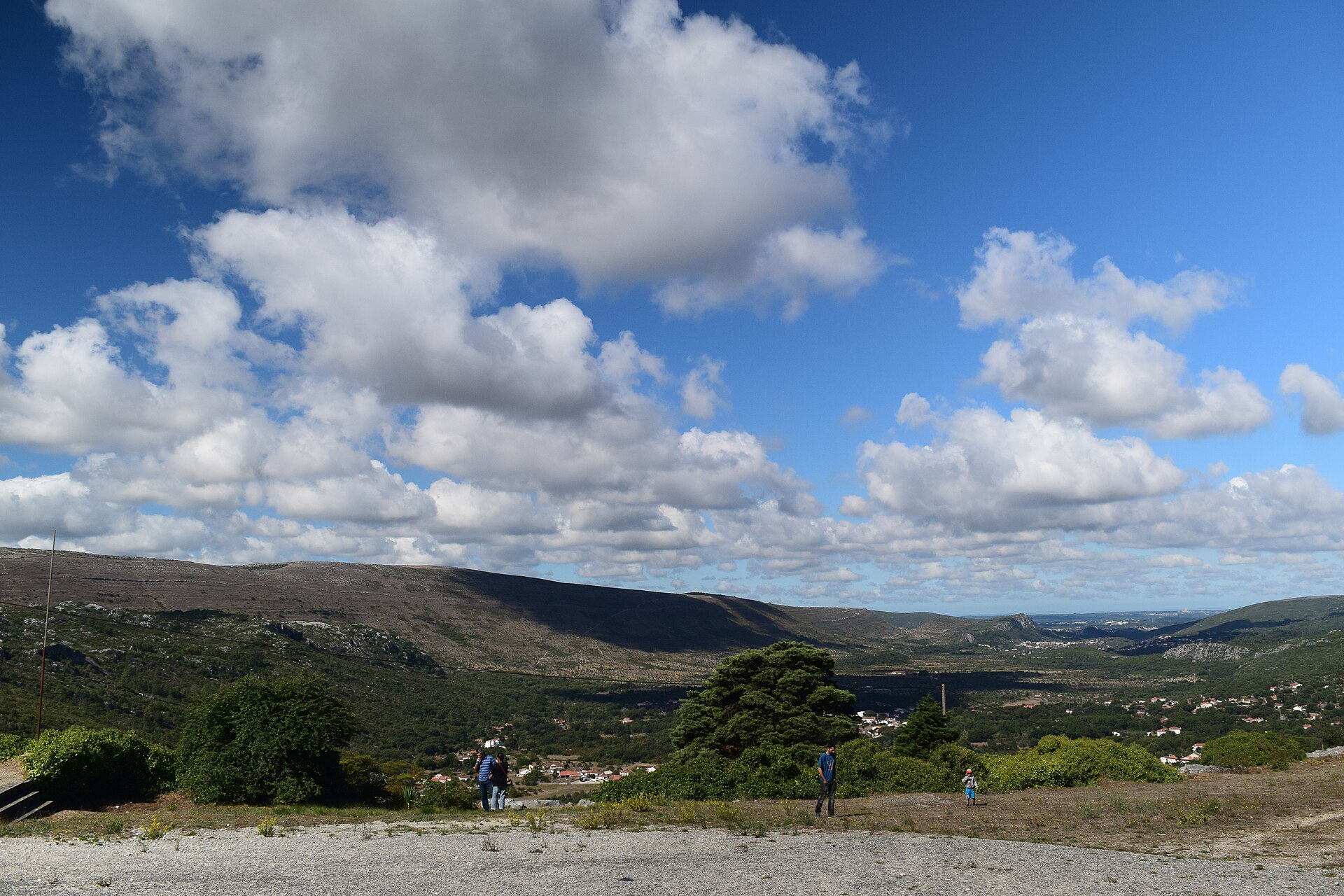
Nestled just outside the historic town of Tomar, the Mata Nacional dos Sete Montes is one of those rare places where the past doesn’t just linger—it breathes. The forest unfolds across a landscape of gentle hills and sudden valleys, its contours shaped by centuries of human presence and natural forces. The name, which translates to Seven Hills, isn’t just poetic; it reflects the undulating terrain that has long made this area both a refuge and a crossroads. Before it became a protected woodland, these slopes were part of ancient trade routes, defensive perimeters, and sacred grounds. Today, the quiet here isn’t empty—it’s layered with the faint echoes of footsteps, the rustle of leaves underfoot, and the distant memory of axes biting into timber as settlers and monks once carved out a life in these woods.
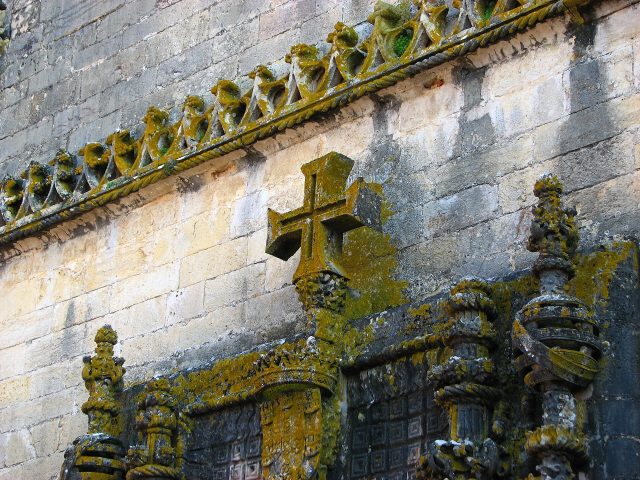
The forest’s history is as tangled as its roots. Long before the Romans arrived, the hills were considered sacred, home to shrines dedicated to the unseen forces of nature. Later, during the Reconquista, when Portugal was reclaiming its land from Moorish rule, the area became a strategic stronghold. The Knights Templar, who made Tomar their base, relied on these woods as both a natural barrier and a resource. Some historians suggest that hidden paths once wound through the trees, connecting Templar outposts in secret. Even now, walking through the dappled light of the forest, it’s easy to imagine those silent figures moving between the shadows of the oaks and pines.
The park is a place of shifting moods, its character changing with the seasons. In spring, the air fills with the scent of blossoming shrubs, while summer brings a cool respite from the heat, the dense canopy filtering the sunlight into scattered patches of gold. Autumn turns the forest floor into a mosaic of red and gold, and though snow is rare, winter occasionally dusts the branches in white, transforming the landscape into something almost otherworldly. The trails here cater to all kinds of visitors—gentle paths for families with children, more challenging routes for those who want to lose themselves in the wilderness. There’s no rush, no agenda; just the steady rhythm of footsteps on earth and the occasional call of a bird overhead.
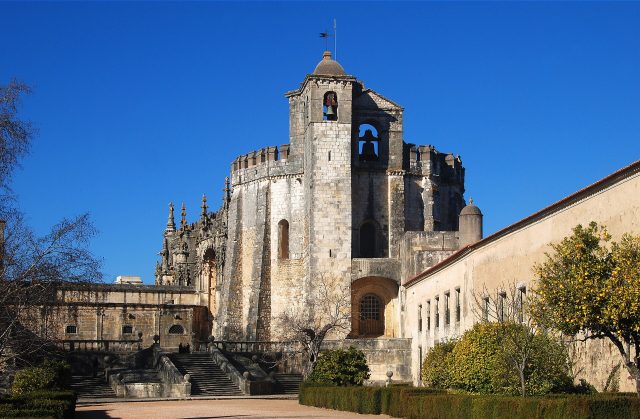
One of the most evocative spots in the park is the Alameda dos Heróis, or Avenue of Heroes, a stone-paved path leading to a small viewpoint. The name honors those who fought for Portugal’s independence during the Peninsular War in the early 19th century. At the top of the hill, a modest monument stands as a quiet reminder of the past, while the view below stretches across Tomar and beyond. The town’s famous Convent of Christ is visible in the distance, its towers rising above the rooftops, and the Nabão River winds through the landscape like a silver thread. On clear days, the Serra de Aire mountains loom on the horizon, their blue outlines fading into the sky.
Wildlife thrives here, largely undisturbed by the few visitors who wander the trails. Foxes, wild boar, and badgers move through the undergrowth, while genets—small, cat-like creatures with long, ringed tails—occasionally dart between the trees. Birdwatchers will find plenty to admire, from the drumming of woodpeckers to the sharp cry of buzzards circling overhead. The park lies along migratory routes, making spring and autumn particularly rewarding times to visit. Even the trees tell a story: ancient oaks stand alongside towering pines and chestnuts, their gnarled roots holding the soil together as they have for generations.
Despite its proximity to Tomar, the park feels worlds away from the bustle of modern life. The trails are never crowded, and even on weekends, it’s possible to find a quiet corner where the only sounds are the wind in the leaves and the distant chatter of birds. Locals still come here for mushrooms and berries after the rains, filling baskets with chestnuts in autumn or gathering mistletoe in winter to decorate their homes for Christmas. In recent years, the park has become a favorite spot for picnics and family outings, but it hasn’t yet succumbed to mass tourism. The forest retains its sense of timelessness, a place where the present and the past coexist without friction.
For those with an interest in history, the park offers more than just scenery. Scattered throughout the woods are remnants of old quarries, where stone was once cut for the grand monasteries and castles of the region. Some trails pass by the ruins of abandoned farms and water mills, their crumbling walls a testament to the generations who once worked this land. Along the streams, small stone bridges still stand, their arches worn smooth by centuries of use. These quiet markers of the past are easy to miss if you’re not looking for them, but they add depth to the experience of walking here, a reminder that this forest has always been more than just trees and earth.
What makes the Mata Nacional dos Sete Montes special isn’t any single attraction, but the way it invites you to slow down. There are no grand monuments or tourist traps, just the quiet persistence of nature and the subtle traces of those who came before. For the people of Tomar, the park is a part of daily life—a place to walk the dog, gather firewood, or simply escape the noise of the town. For visitors, it’s a chance to see Portugal from a different angle, away from the well-trodden paths. The forest doesn’t demand attention; it offers something rarer—a sense of belonging, even if only for a few hours. Here, the air is cleaner, the light softer, and the weight of history feels just a little lighter.