The Convent of Christ in Tomar is one of those rare places where history doesn’t just linger in the stones—it breathes. Founded in the 12th century by the Knights Templar, it stands as a monument to Portugal’s formative years, when the country was still carving out its identity. The first stones were laid in 1160 under the orders of Gualdim Pais, the order’s master, and since then, its walls have witnessed the rise and fall of empires, the ebb and flow of power, and the quiet persistence of faith. More than just an architectural relic, the convent is a living chronicle of medieval Europe, where every arch and courtyard tells a story.
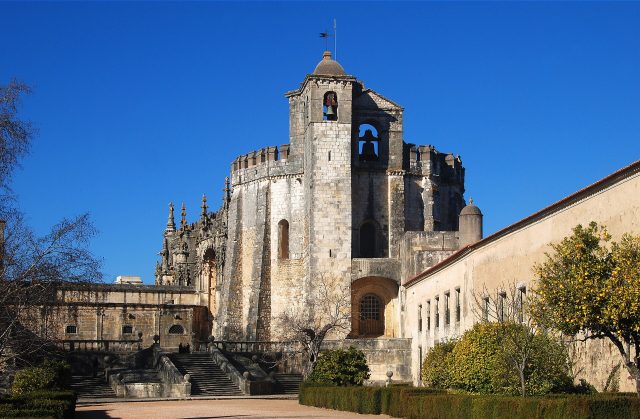
The architecture here is a layered tapestry of styles, each era leaving its mark. The earliest structures bear the heavy, solemn lines of Romanesque design, while the Gothic cathedral soars above them, its pointed arches reaching toward the sky. Then there’s the Manueline style—Portugal’s distinctive take on late Gothic—with its intricate maritime motifs, a nod to the Age of Discoveries. The most striking feature is the round church, or rotunda, modeled after the Church of the Holy Sepulchre in Jerusalem. Its twelve columns symbolize the apostles, and the dim, hushed interior feels like a portal to another time. The play of light through narrow windows casts shifting patterns on the walls, as if the past itself is flickering just beyond reach.
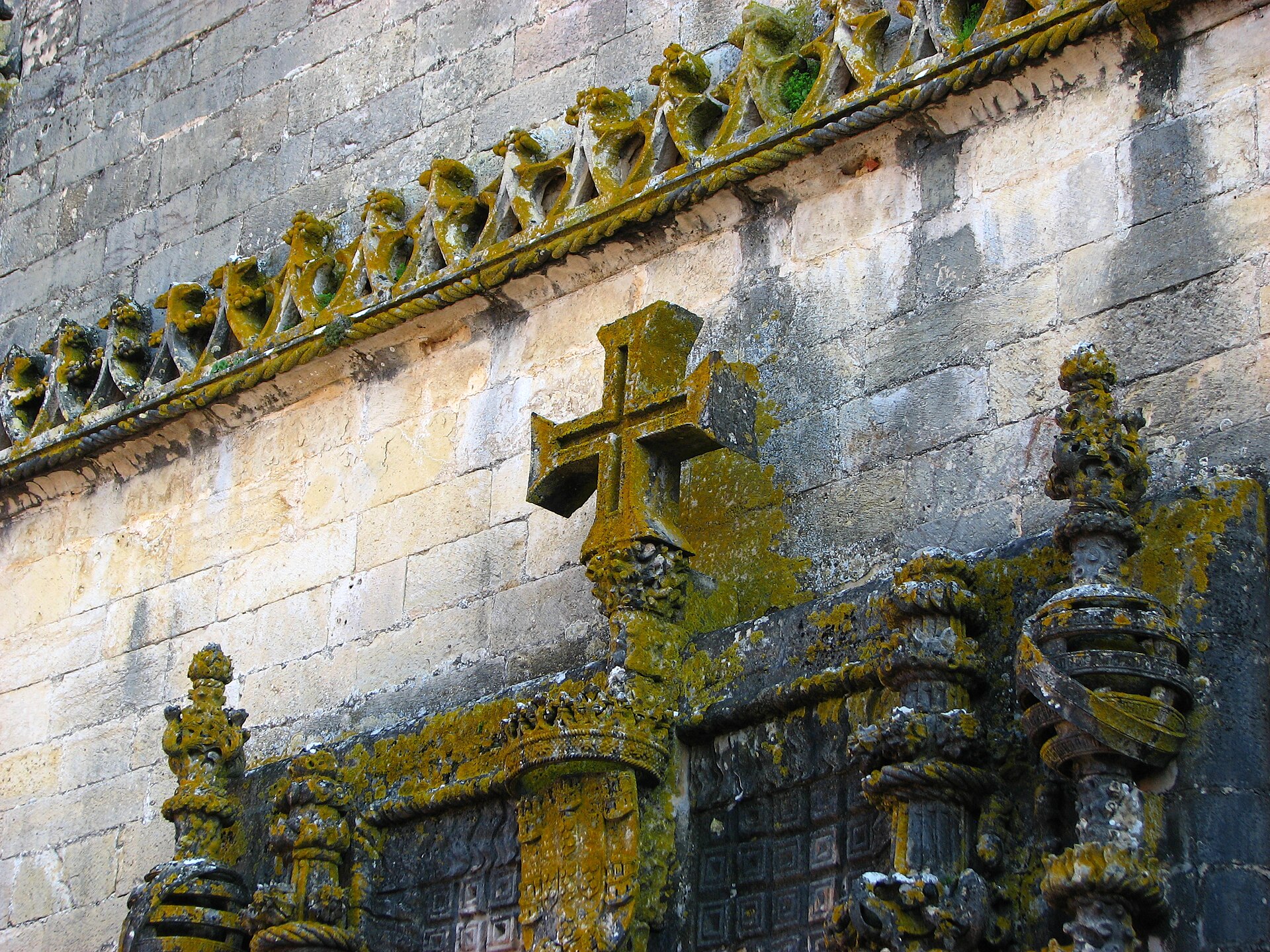
One of the convent’s most celebrated details is the Chapter House window, a masterpiece of Manueline craftsmanship. Carved with astonishing precision, it’s a riot of ropes, coral-like forms, and exotic plants, all intertwined with Portugal’s royal symbols. This isn’t just decoration—it’s a declaration of an era when the country stood at the center of the world, its ships sailing uncharted waters. Nearby, the cloisters offer a quiet retreat, their arched walkways and fountains inviting reflection. It’s easy to imagine knights gathering here for counsel or monks moving silently through their daily rituals.
When the Templars were dissolved in the early 14th century, the convent passed to the Order of Christ, their spiritual successors. Under this new order, the site flourished, becoming a hub of Portugal’s maritime ambitions. Princes and navigators, including Henry the Navigator, made Tomar their base, and the convent’s halls echoed with plans for expeditions to Africa, India, and beyond. The order’s wealth funded voyages that reshaped the world, and the convent became a place where explorers, cartographers, and missionaries converged, their dreams taking shape within these walls.
Inside, the convent’s interiors are just as compelling as its exterior. The cathedral’s nave is adorned with 16th-century frescoes depicting scenes from the lives of saints, their colors still vivid despite the centuries. Gilded altarpieces gleam in the soft light, and the sacristy holds relics that once inspired awe. The library, though less grand, offers a glimpse into the intellectual life of the order, with ancient manuscripts detailing its history and influence. Among the tombs is that of Diogo da Gama, brother of Vasco da Gama, a quiet reminder of the convent’s ties to Portugal’s golden age of exploration.
What makes the Convent of Christ special is its sense of continuity. Unlike many historic sites that feel frozen in time, this place still hums with life. Classical concerts echo through its courtyards, exhibitions bring its history to new audiences, and occasional religious services fill the air with chanting. Walking through its galleries, you can almost hear the footsteps of knights, the murmur of prayers, or the animated discussions of navigators plotting their next voyage. Time here moves differently—slower, deeper—leaving you with the feeling of having touched something enduring.
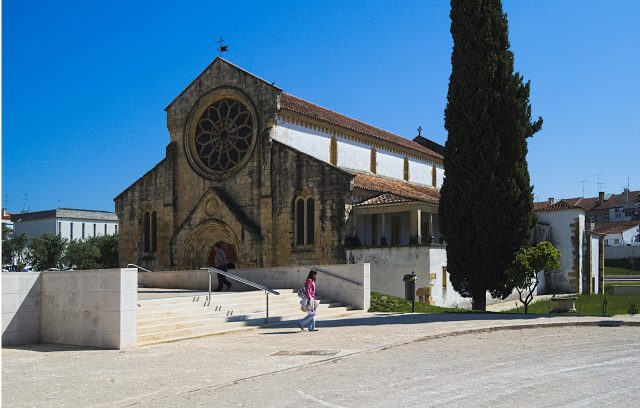
Tomar itself is a town steeped in history, its cobbled streets winding along the Nabão River. Other landmarks, like the Church of Saint John the Baptist or the old synagogue, offer their own stories, but the convent remains the heart of the city. Unlike more crowded tourist destinations, it doesn’t feel overrun. Instead, there’s a sense of quiet reverence, a space where you can linger without distraction. The absence of crowds makes it easier to absorb the details—the way the light falls on a carving, the texture of the stone, the weight of centuries pressing down.
Visiting the Convent of Christ isn’t like ticking off another sight on a travel list. It’s an experience that demands attention, a slow unraveling of meaning in every arch, every symbol, every shadow. You could spend hours here, tracing the lines of a fresco or sitting on a bench in the cloister, listening to the wind rustle through the trees. This isn’t a place for those seeking quick thrills; it’s for those who want to understand how Portugal’s past was shaped, how people lived, and how their beliefs and ambitions were etched into stone.
Today, the convent is a UNESCO World Heritage site, a recognition of its global significance. But its true value lies in something less tangible—its ability to make history feel alive. It’s not just a monument; it’s a place where the past isn’t confined to textbooks or glass cases. Here, history isn’t something you observe from a distance. It’s something you can almost touch, a current running through the very air. To visit is to step into a story that’s still unfolding, one that invites you to become part of it, if only for a little while.