Lake Isle Park in Sligo is one of those rare places that doesn’t demand attention, yet quietly lingers in memory long after you’ve left. It sits on a small island in the middle of Lough Gill, connected to the mainland by a narrow footbridge that feels like a threshold between the ordinary and something far more peaceful. The lake’s surface appears still, though beneath its calm exterior, the water moves slowly, carrying time with it. Even when the town hums nearby, the island remains apart—detached from noise, from urgency, from the need to perform for visitors.
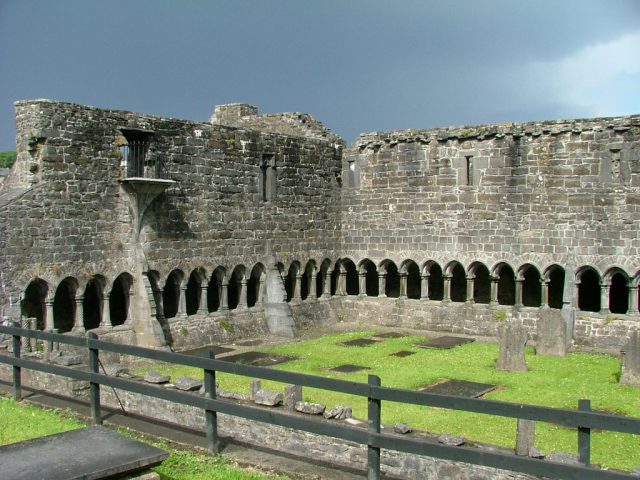
The island itself is modest in size, but its past runs deep. Centuries ago, it was home to a monastery founded by Saint Patrick, and later, a Norman castle stood here, though little remains of either. What’s left of the castle walls has softened with age, their edges worn smooth by wind and rain until they seem almost natural, as if they’ve always been part of the landscape. Local stories whisper of something ancient lurking in the lake’s depths, though most visitors are content to watch the swans nesting along the shore or the ducks drifting lazily through the reeds.
The park’s design is understated but deliberate. Wooden paths wind between old oaks and beeches, their branches forming a canopy overhead. Benches are scattered thoughtfully—some facing the water, others turned inward toward the trees. At the island’s center stands a small Victorian pavilion, built during Sligo’s brief heyday as a fashionable retreat for British gentry. These days, it occasionally hosts local art exhibitions or chamber music performances, though more often than not, it stands empty. The silence suits it.
What makes Lake Isle Park special is its sense of seclusion, despite being only a fifteen-minute walk from the town center. There are no crowds here, no raised voices, no sense of being hurried along. On a quiet day, you might spend an hour without seeing another soul. In summer, the island is lush and green, while autumn turns the leaves to gold and crimson, their reflections shimmering in the water. Winter strips the place bare—windy, exposed, but somehow more honest without the usual tourist trappings.
Locals come for different reasons. Some walk their dogs along the paths, others sit on the shore with a book, and a few bring fishing rods, casting lines into the lake’s cold depths. Visitors are welcome, but there are no signs, no audio guides, no plaques explaining the history. You could arrive with a guidebook, but it’s far more rewarding to wander without a plan, letting the island reveal itself in its own time.
Lough Gill itself is worth lingering over. The water is clear and deep, so much so that on bright days, you can see the lakebed several meters down. Fishermen say the lake holds large pike and trout, though catching them is a challenge—the currents are unpredictable, and the water stays cold year-round. Along the shore, reeds sway in the wind, sheltering birds, and if you’re patient, you might spot an otter slipping through the shallows.
This isn’t a place that dazzles immediately. There are no grand castles, no bustling attractions, not even a café or a gift shop. But that’s precisely why it stays with you. Lake Isle Park offers something simpler: a chance to pause, to breathe, to realize that the best experiences often don’t need fanfare. Just stillness, water, and the sky above.