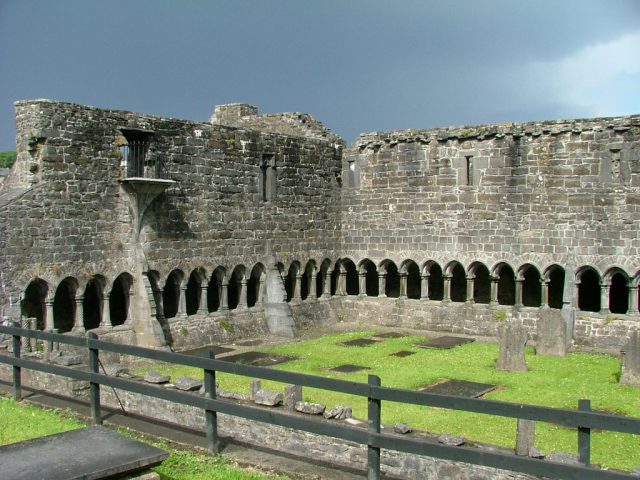
Carrowkeel is a place where Ireland’s past presses close. Hidden in the countryside near Sligo, this burial site holds centuries in its stones and mounds. No crowds, no tours—just wind through wildflowers and the quiet voices of visitors who come for something beyond photographs. History here feels near, as if the people who once walked these paths might still be just out of sight.
Long before Christianity, Carrowkeel was sacred. The cairns date to the Bronze Age, some possibly Neolithic, shaped by the first farmers. When Christianity arrived, the site changed. Old graves became early Christian burials, and the cemetery anchored the region. Today, carved headstones peek through undergrowth, their patterns telling stories of faith and loss without words.
The high crosses are the most striking remains. The South Cross bears knotwork, biblical scenes, and figures whose meanings have faded. These carvings taught and connected in an era when few could read. The North Cross is simpler, its surface worn by rain and wind. Together, they feel timeless, as if the carvers might still be at work.
The cemetery sits in a bowl of low hills. On clear days, the view stretches across Sligo’s patchwork fields, mountains, and rivers. Locals have always treated this place with care. Even during famine and emigration, Carrowkeel drew pilgrims. People came to mourn, to leave offerings, to pray to forgotten saints.
Carrowkeel has no polish. No signs explain every detail, no gift shops sell trinkets. It invites you to wander, to wonder, to piece together its stories. Some visitors search for ancestors in crumbling headstones. Others sit among the stones and listen to the silence. On misty days, the fog blurs the hills, and the cemetery feels almost otherworldly.
A short walk away, Carrowmore’s ringfort stands. Together, these sites form a landscape barely changed in thousands of years. Walking here isn’t like ticking a tourist checklist. It’s stepping into an archive of Ireland’s earliest inhabitants—their beliefs, rituals, and worldview. The land itself holds their lives, shaped by hands long gone.
Carrowkeel doesn’t draw crowds. No cafés, no audio guides, no marked paths. It’s for those who want Ireland beyond postcards—castles, pubs, green hills. Here, the country’s deeper layers appear: quiet, mystery, endurance. That’s why it attracts visitors who want to feel the past still alive.