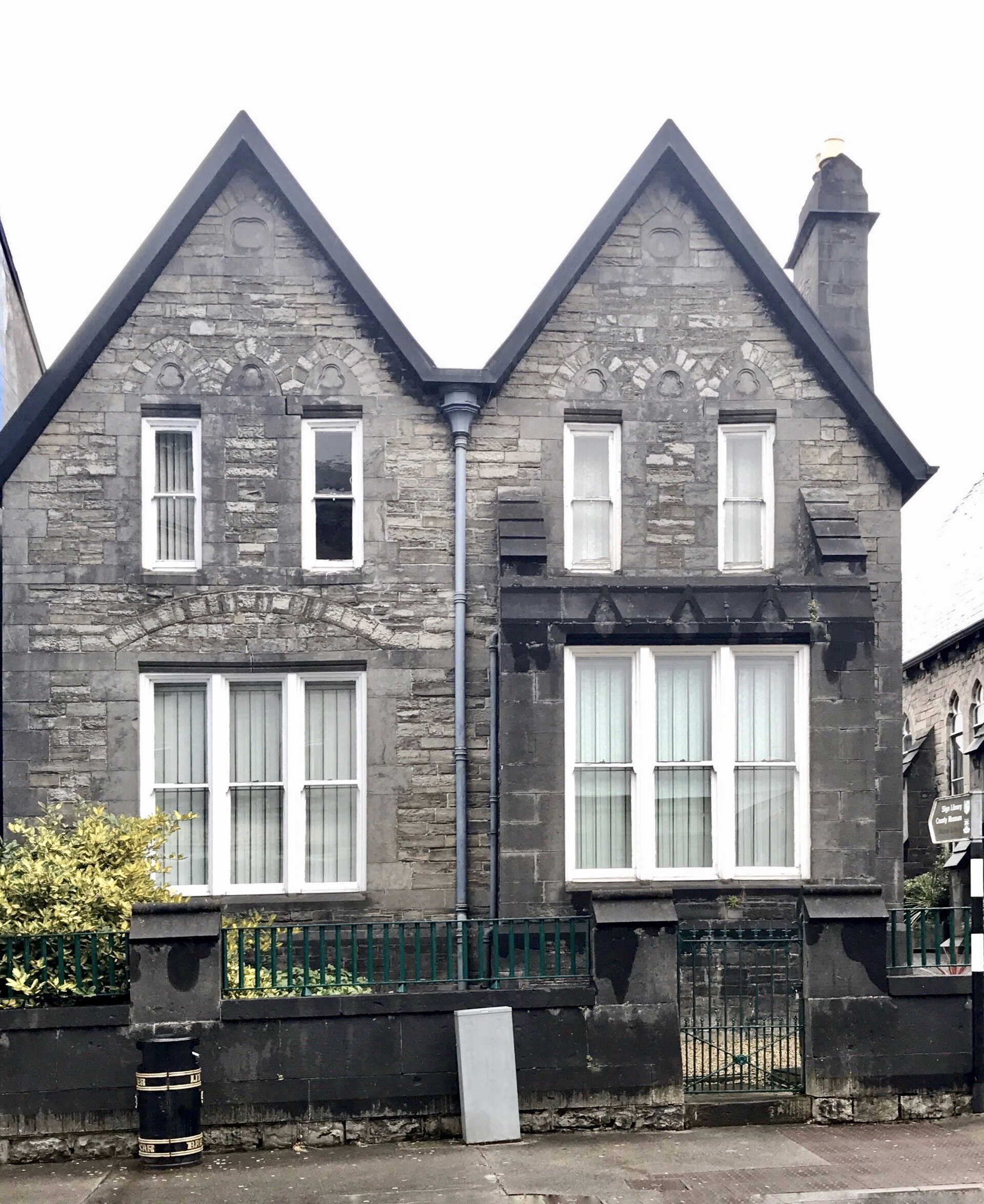
The County Sligo Museum sits quietly on Stephen Street, a place where history isn’t just preserved but felt. Housed in what was once the town hall, the building itself carries the weight of the past. Built in the mid-1800s, its thick stone walls and high ceilings still hold the echoes of the voices that once filled them. The large windows let in the soft northern light, the same light that has illuminated these streets for generations. The architecture isn’t just a backdrop—it’s part of the story, a bridge between then and now.
Sligo has always been a place where history runs deep, and the museum gathers its fragments carefully. The exhibits span centuries, from the ancient Celtic settlements that first dotted the landscape to the turbulent years of Ireland’s fight for independence. Some of the most striking pieces come from the county’s archaeological finds—gold ornaments from the Bronze Age, unearthed in the Garavogue River valley, or stone tools that speak of people who lived here thousands of years ago. Each object is a small window into another time, offering a glimpse of how people worked, believed, and survived in this corner of the world.
But the museum doesn’t just dwell on the distant past. Its collections also tell the story of more recent history, particularly the 19th and 20th centuries. You’ll find everyday objects—tools, clothing, photographs—that paint a picture of life in Sligo during those years. One of the most moving sections deals with the Great Famine, a tragedy that left deep scars on the county. There’s no grand drama here, just the quiet weight of personal stories—letters, diaries, household items—that make the past feel immediate. It’s impossible not to pause and consider how such hardship reshaped families and communities.
Sligo has long been a place of inspiration for writers and poets, and the museum pays tribute to that legacy. The literary collection includes manuscripts, first editions, and personal belongings of authors connected to the area. Among them are items linked to W.B. Yeats, who spent part of his childhood in Sligo and often returned to its landscapes in his work. For many visitors, this is a chance to connect with Ireland’s literary tradition in a way that feels personal, to see how the land and its people shaped some of the country’s most enduring voices.
The museum isn’t just a place to look at objects—it’s a space for reflection. Temporary exhibitions, talks, and workshops often bring history and culture to life in new ways. Sometimes there’s live music, or a discussion about the county’s heritage, turning the museum into a gathering place rather than just a repository of the past. The atmosphere invites you to linger, to move slowly from one room to the next, discovering something unexpected along the way.
What makes the County Sligo Museum special isn’t its size or grandeur. It’s modest, even unassuming, but that’s part of its charm. The exhibits aren’t crowded together; each one is chosen with care, presented in a way that lets it tell its own story. Even those who don’t usually seek out museums often find themselves drawn in, surprised by how engaging history can be when it’s shared without pretension, with respect for the details that matter.
For locals, the museum is more than a tourist stop—it’s a piece of their identity. It holds the stories of their ancestors, the traditions that have been passed down through generations. For visitors, it’s a chance to see Ireland beyond the well-trodden paths, to understand what makes Sligo different. This is a place where history isn’t just something you read about; it’s something you feel in the air, in the stones underfoot, in the quiet hum of the building itself.
A visit here isn’t just about learning the past—it’s about seeing how that past shapes the present. There are no easy answers, just questions and the quiet invitation to think. That’s why people come back, why they spend time reading the labels, studying the details, finding something new in what they thought they already knew. History isn’t just a collection of facts; it’s a living thing, woven into the fabric of the place and the people who call it home.