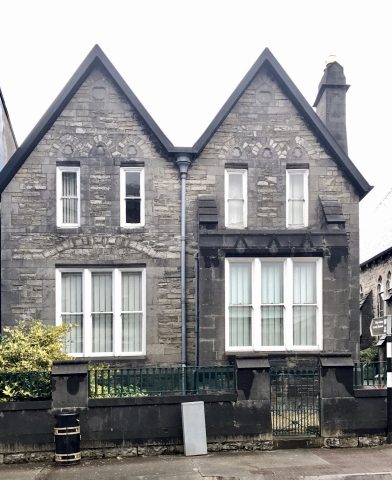
Hawks Well Theatre sits quietly in the heart of Sligo, a place that feels both unassuming and deeply meaningful. Tucked away on a side street where the pace of life moves gently, the building doesn’t demand attention like grand opera houses or towering concert halls. Instead, it offers something far more personal—a space where art isn’t performed so much as shared. The architecture is simple, almost modest, with brick walls and large windows that let in the soft Irish light. Inside, the small auditorium wraps around the stage, creating an intimacy that makes every performance feel like a conversation rather than a spectacle.
The theatre opened in the 1960s, a time when many Irish towns were rediscovering their cultural roots. Sligo, already known for its poets and musicians, needed a place where creativity could thrive without pretence. The name Hawks Well comes from an old local legend about a hawk and a well, a story that speaks to the connection between nature and human spirit. From the beginning, the theatre was meant to be more than just a venue—it was a gathering place for artists and audiences who valued substance over spectacle.
What makes Hawks Well special is its refusal to chase trends. While larger theatres might prioritise commercial success or flashy productions, this one has always focused on the quiet, the experimental, the deeply human. The programme leans toward chamber theatre, poetry readings, and music that doesn’t need a grand stage to resonate. Irish writers, both classic and contemporary, often feature in the lineup, and the theatre has a reputation for nurturing new talent. It’s not uncommon to see a first-time playwright’s work performed here, or a local musician testing out new material in front of an audience that listens with real attention.
Sligo has long been a town where art feels like part of everyday life. Walk into any pub, and you might hear someone reciting a poem or playing a fiddle. Hawks Well fits naturally into this rhythm. Unlike theatres in bigger cities, where everything is polished and professional, this one has a looseness, a sense of possibility. The audience isn’t there for escapism—they come for something real, something that lingers after the curtain falls. The performances might be small in scale, but they often leave a deeper impression than the most elaborate productions elsewhere.
The theatre isn’t just a stage; it’s a hub for the community. People don’t just attend shows here—they take part in workshops, attend talks, and meet the artists who pass through. Schools and universities collaborate with the theatre, bringing young people into the creative process. There’s a sense that Hawks Well belongs to the town as much as the town belongs to it. It’s the kind of place where you might bump into a neighbour in the foyer, or where a post-show discussion spills out into the street, continuing long after the lights have dimmed.
In an age where culture often feels packaged for mass consumption, Hawks Well stands apart. It doesn’t try to be everything to everyone. Instead, it does one thing well: it creates a space where art can breathe. The theatre has survived decades not by chasing modernity, but by staying true to its purpose. While newer, shinier venues have come and gone, Hawks Well remains, a quiet testament to the idea that the best art isn’t about spectacle—it’s about connection.
Visiting Hawks Well is like stepping into the soul of Sligo. The town itself is a place where history and the present coexist easily, where the landscape inspires as much as the people do. There’s no rush here, no pressure to perform or impress. The theatre reflects that same unhurried spirit. It doesn’t need to shout to be heard. For those who seek more than just entertainment—who want to feel something real—it offers exactly that. Not because it tries to, but because it simply exists, as it always has, in the heart of the town.