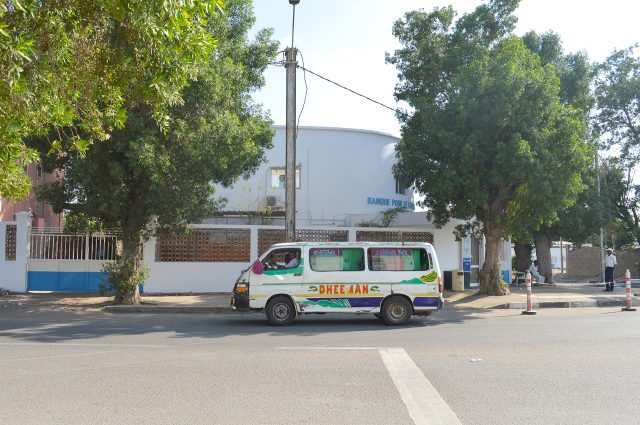
Lager Park is one of the few places in Djibouti where the city’s relentless pace gives way to quiet greenery and open space. Tucked in the heart of the capital, it offers more than just a respite for locals—it’s a rare glimpse of nature in a country defined by its arid landscapes. Here, the usual urban clamor fades into the rustle of leaves, and the heat softens under the shade of trees that somehow thrive in this harsh climate. The park doesn’t try to be anything grand; it simply exists as a pocket of calm where life slows down, if only for a little while.
The park’s origins trace back to the early 20th century, when Djibouti was under French colonial rule. At the time, the city was still taking shape as an administrative and trading hub, and green spaces like this one were designed to provide a touch of comfort for European settlers. Lager Park became a meeting point for different worlds—French officials, local merchants, and sailors passing through the port all found their way here. Today, little remains of that era in terms of architecture, but the park still carries a faint echo of its past, a quiet reminder of the layers of history that have shaped the city.
There’s nothing elaborate about the park’s design. In a place where nature itself dictates the rhythm of life, the architecture is understated, almost incidental. The trees—mostly acacias and tamarinds—are the real stars, their gnarled branches and sparse foliage perfectly adapted to the dry heat. They form a patchy canopy that offers just enough shade to make the midday sun bearable. At the center of the park, a modest fountain trickles water, a small luxury in a country where every drop counts. It’s not a grand statement, just a practical source of relief.
Though small, the park feels spacious thanks to its thoughtful layout. Winding paths lead visitors through clusters of trees, opening up into little clearings before narrowing again into secluded corners. Locals often bring their children here, where a few swings and open spaces provide a place to play. On weekends, families gather for picnics or simply to enjoy the rare greenery. For many in Djibouti, the park is woven into daily life—a place to escape, even briefly, from the demands of the city.
What makes Lager Park special is its authenticity. Unlike manicured gardens elsewhere, this is one of the few places in the city where the vegetation hasn’t been forced into submission. There are no perfectly trimmed lawns or exotic imported plants, just the rugged beauty of species that have learned to survive in Djibouti’s harsh conditions. When the brief rainy season arrives, the park transforms. The trees burst into fresh green, the earth drinks in the moisture, and for a short time, the air is filled with the scent of life returning.
As the day cools, the park takes on a different energy. Locals who prefer the outdoors to air-conditioned spaces begin to gather. Soft lighting from the lampposts casts a warm glow over the paths, and the fragrance of blooming shrubs lingers in the air. Occasionally, musicians set up in the park, filling it with the sounds of traditional instruments. For visitors, these moments offer a rare chance to see Djibouti beyond its reputation as a transit point—a place with its own rhythm, culture, and stories.
Lager Park may not be grand, but its role in the city is anything but small. It’s a reminder that even in one of the hottest, driest corners of the world, pockets of green can thrive. For Djiboutians, it’s a place of connection—where families meet, children play, and memories are made. For travelers, it’s an unexpected glimpse into the soul of the capital, a quiet counterpoint to the usual narratives of desert and dust. There are no luxury hotels or flashy attractions here, and that’s precisely the point. The park is exactly what it should be: a simple, unassuming refuge where nature and city coexist.