Kayenta’s Park: A Quiet Corner of Northern Arizona
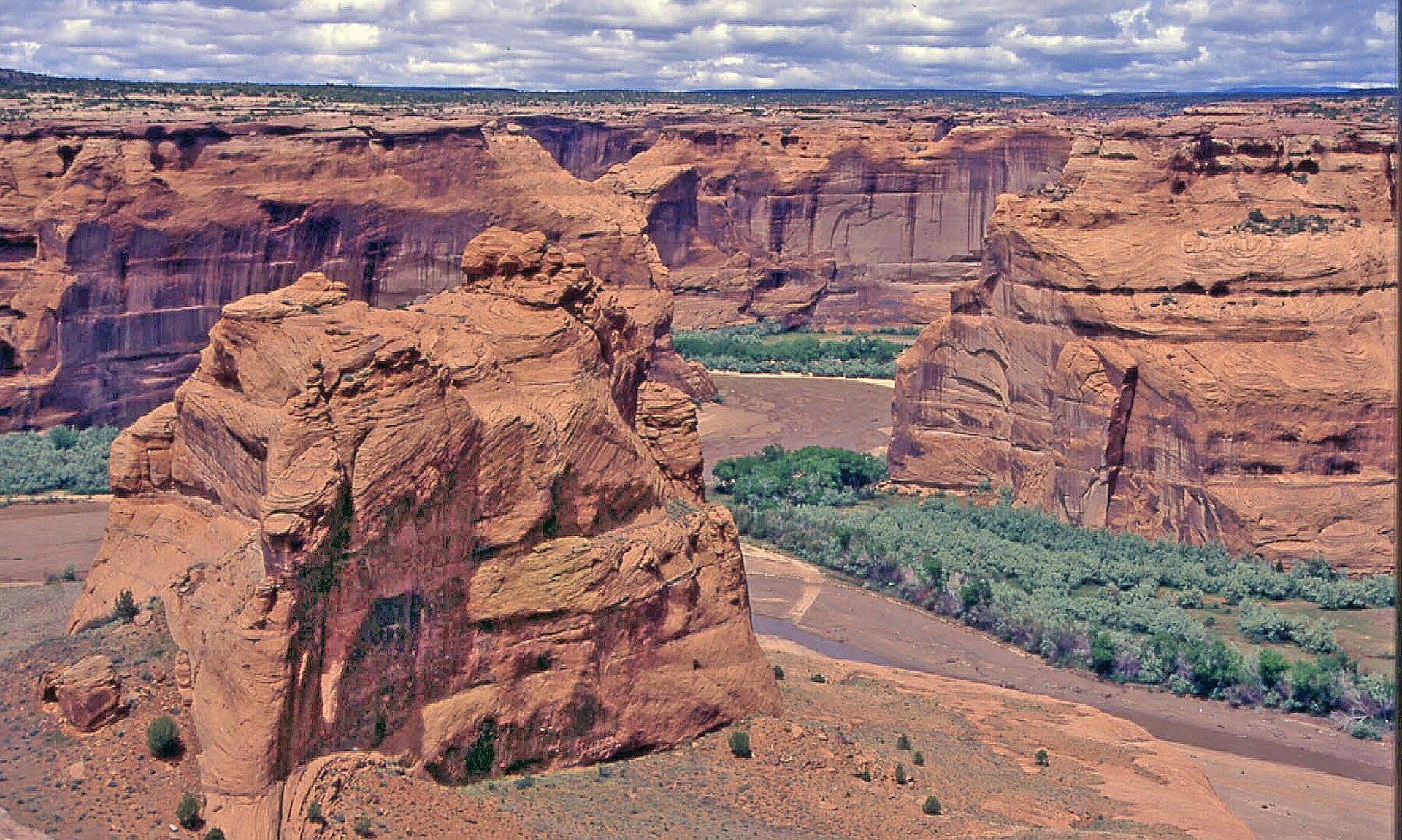
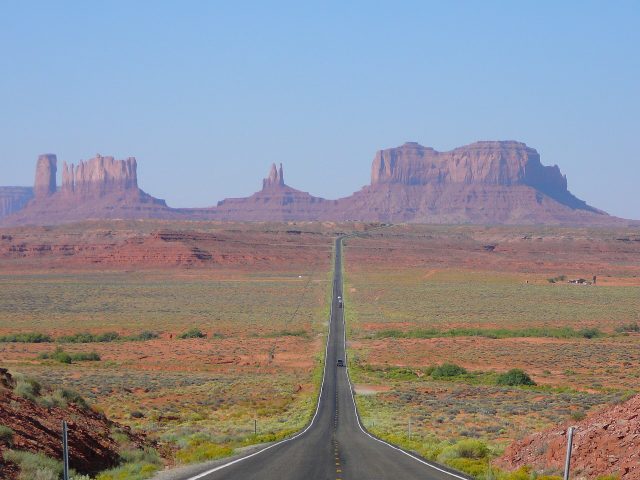
Kayenta sits in the vast, sunbaked landscapes of northern Arizona. The town is small—a gathering of homes and local businesses—and its park reflects that same unassuming character. Between red rock formations and stretches of sand and sagebrush, the park doesn’t draw crowds or appear on postcards. It offers something else: a slice of life in a place where the land feels as much a part of the community as the people.
The park’s history is tied to Kayenta’s own story. The town began as a stopping point for travelers moving through the region. Over time, it became a cultural and logistical center for the Navajo Nation. The park grew naturally, a place where residents escaped the midday heat, gathered with neighbors, or sat beneath the trees. There are no monuments here, no manicured gardens—just a few acres of shade, benches, and the quiet hum of life.
The architecture is simple. Wooden shelters with slatted roofs block the sun. Stone pathways are worn smooth by footsteps. Benches face the sunset. In summer, cottonwoods and willows cast shadows across the grass. By evening, the park glows under streetlamps, and the air fills with laughter, the clatter of dishes, and the strum of a guitar. Families spread blankets for dinner. Kids chase each other across the playground. Elders sit in quiet conversation.
For those curious about Navajo culture, the park offers a quiet introduction. Kayenta lies near historical and cultural sites, and the park often serves as a starting point. You might overhear stories about ceremonies, see local artisans with their work, or watch a handwoven rug being folded. There’s no formality—just the flow of life, where the past is lived and shared.
The land around Kayenta is alive in unexpected ways. At first glance, the desert seems stark. Look closer, and you’ll find resilience. Prickly pear cacti dot the hillsides, turning deeper green after rain. In the early morning, mule deer sometimes wander near the park’s edges. Coyotes pass through at dusk, their yips echoing across the mesas. The park is an oasis, a pocket of green in a landscape of rock and sand. In summer, it’s a refuge from the heat. In winter, it’s a quiet retreat.
Visitors often find the park the best way to ease into Kayenta’s rhythm. There’s no rush, no tourist traps. A morning on a bench with coffee offers a glimpse of daily life: parents walking kids to school, pickup trucks on the main road, a dog trotting alongside its owner. By evening, the air fills with the chirp of crickets and the scent of sagebrush on the breeze.
The park isn’t special for any single feature. It embodies the town itself. It doesn’t try to impress. For locals, it’s a second home—a place for birthdays, gatherings, or solitude beneath the trees. For travelers, it’s a reminder that some places don’t shout for attention. They welcome you in quietly.
If you find yourself in this part of Arizona, sit on a bench. Watch the light change across the red rocks. Listen to the wind in the trees. In a world that feels too fast, Kayenta’s park offers something rare: a place where time lingers.