Ostroh’s Taras Shevchenko Park is where the past and present meet without effort. The park sits in the city center, once home to princely estates and later to institutions linked to the Ostroh Academy, one of Eastern Europe’s earliest centers of higher learning. Now, it offers a quiet retreat where leaves rustle and church bells chime in the distance.
The park appeared in the mid-20th century, when the city, like much of Ukraine, was rebuilding after war. It was named after Taras Shevchenko, the poet whose work symbolizes Ukrainian culture and the struggle for national identity. Shevchenko never visited Ostroh, but his name fits here. The city has long been a hub of education and spirituality, values he embodied for many. The monument to him in the park is one of many across Ukraine, yet here it feels natural, as if the poet belongs to the landscape.
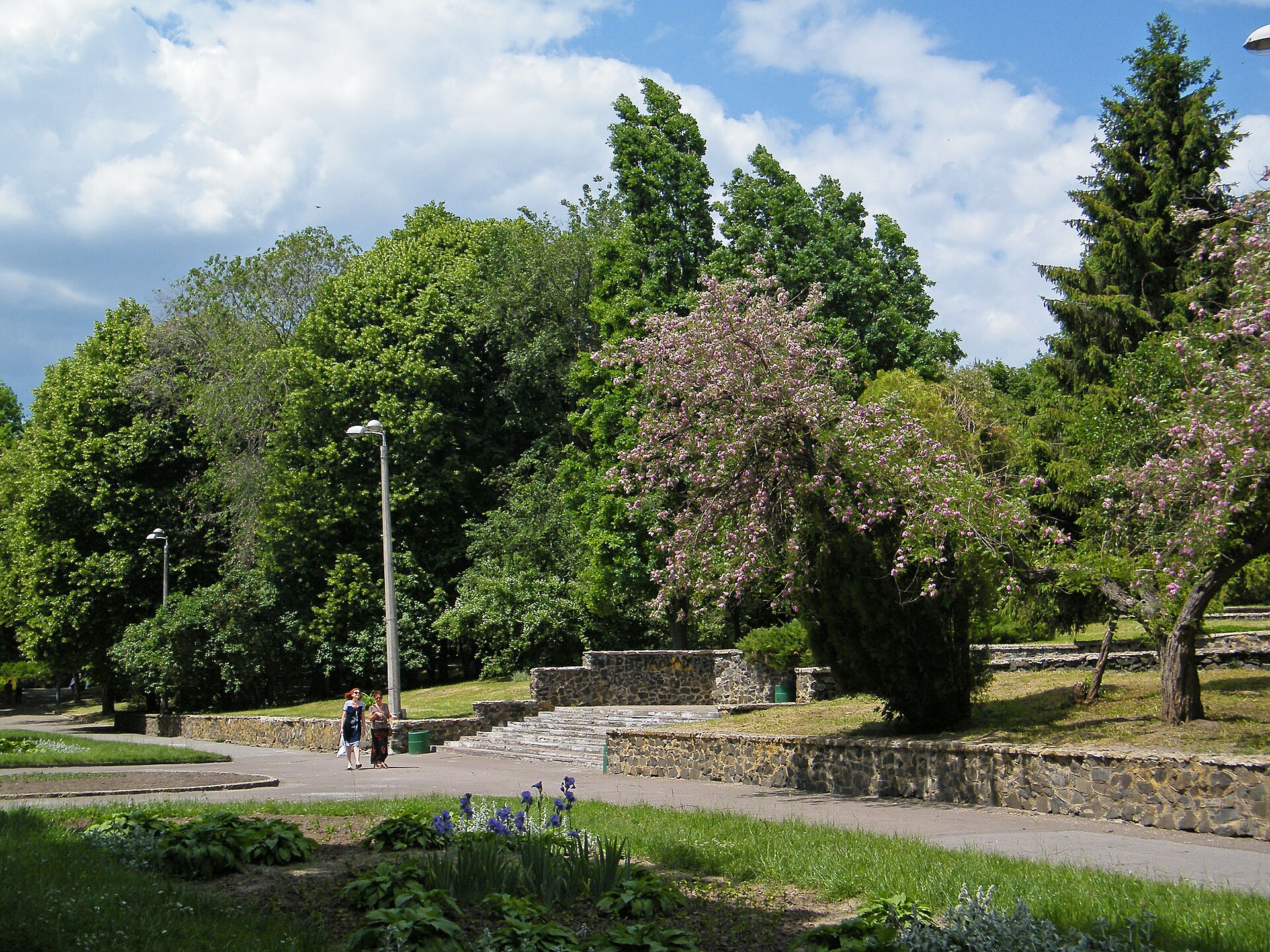
The park’s design is straightforward. A central path leads to the monument, surrounded by flowerbeds and benches. People sit with books or simply enjoy the quiet. The trees—oaks, lindens, and maples—change with the seasons. In summer, the shade cools; in winter, snow turns the park into a quiet scene. Soft evening lights make the paths inviting.
Though small, the park has distinct corners.
Near the street, a playground fills with children’s laughter. Deeper in, past the monument, a small pond draws families and those seeking solitude. Ducks glide across the water, and in warmer months, fishermen appear, though the pond isn’t known for its fish. Gazebos offer shelter from rain or a place to rest.
Ostroh is called Ukraine’s spiritual capital, and Shevchenko Park plays its part. It hosts city events—concerts, literary readings, gatherings for veterans—becoming a focal point during festivals. On ordinary days, it’s rarely empty. People walk dogs, hurry to work, or sit on benches, watching the world pass. The park is where lives intersect, and that’s why it works.
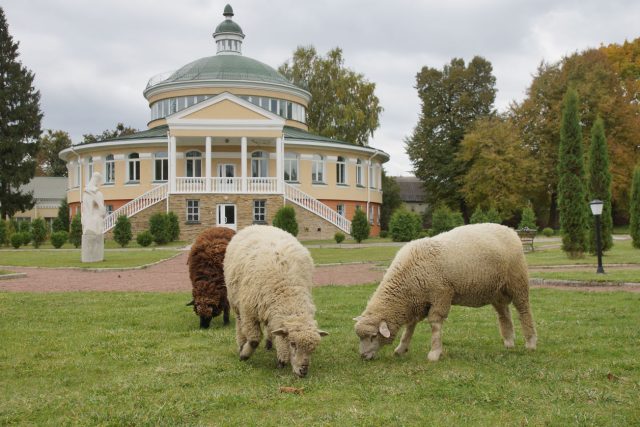
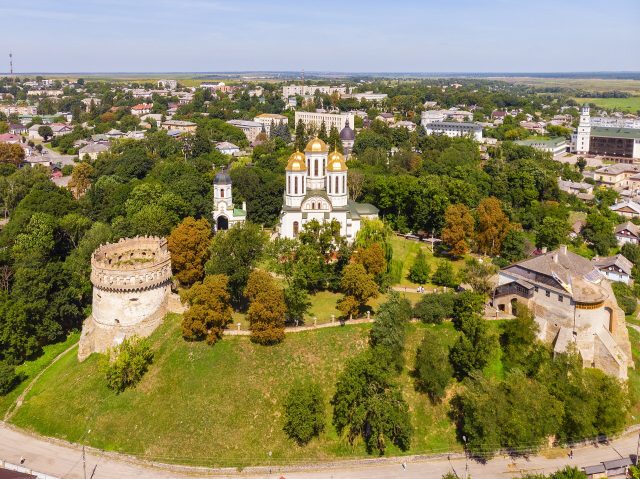
The park is steps from Ostroh’s historic center, where 16th- to 18th-century architecture stands. The castle and the old collegium, once a training ground for scholars, are nearby. Walking through the park, you see how the city has changed—from a princely residence to an academic hub to the modern town it is today. The park connects these eras, reminding visitors that history is about people, not just dates.
In recent years, Ostroh has updated the park—new paths, fresh plantings, tended flowerbeds—but its character remains. It’s not a museum; it’s a living space that moves with the city. The pace is slow, the meaning clear.
For visitors, the park is a good starting point. From here, you can explore the historic center, then return to sit and reflect. There’s no rush, no crowds—just leaves rustling and the occasional breeze. That’s why people come back, even after seeing all the sights. Shevchenko Park isn’t just a place to visit; it’s a place to be, without schedules or plans.