At the corner of 17th and 6th Streets in Vedado, a bronze statue of John Lennon sits on a bench. His hands rest on his knees, as if he’s watching the world pass by. The sculpture feels alive—so much so that you might glance around, half-expecting him to speak.
The park is small: a patch of grass, a few trees, and benches. It opened in the early 2000s, a time when Cuba began to rethink its past. Vedado, once home to diplomats and businessmen, had changed. By then, it was a neighborhood where locals and visitors walked its streets, drawn to its faded elegance and the quiet rhythm of life that remained from earlier decades.
In the 1960s, this same area buzzed with a different energy. Jazz and rock ‘n’ roll spilled from open windows. Artists, intellectuals, and foreigners filled the sidewalks, making Havana their temporary home.
The statue was sculpted by José Villa Soberón. He captured Lennon’s details—the creases in his trousers, the curve of his fingers—with precision. Originally, the statue wore round, wire-rimmed glasses, but they were stolen repeatedly. Eventually, they were welded to his face. This small change tells a larger story: a place where the past and present collide in unexpected ways.
For Cuba, Lennon’s presence here isn’t just about music. In the 1960s, rock was banned as a symbol of Western influence. The Beatles’ records circulated in secret. By the late 1990s, attitudes shifted. Fidel Castro acknowledged the band’s impact on global culture. In 2000, he attended the park’s inauguration, calling Lennon a revolutionary in music. The plaque beside the statue quotes *Imagine*: *You may say I’m a dreamer, but I’m not the only one.* In Havana, those words carry weight.
Musicians often gather near the bench to play Beatles songs. Visitors sit beside the statue to listen or pause for a photo. There’s no ceremony here—just the sound of a guitar, conversation, and the laughter of children nearby. It’s a place where history feels lighter, where art and memory meet without pretense.
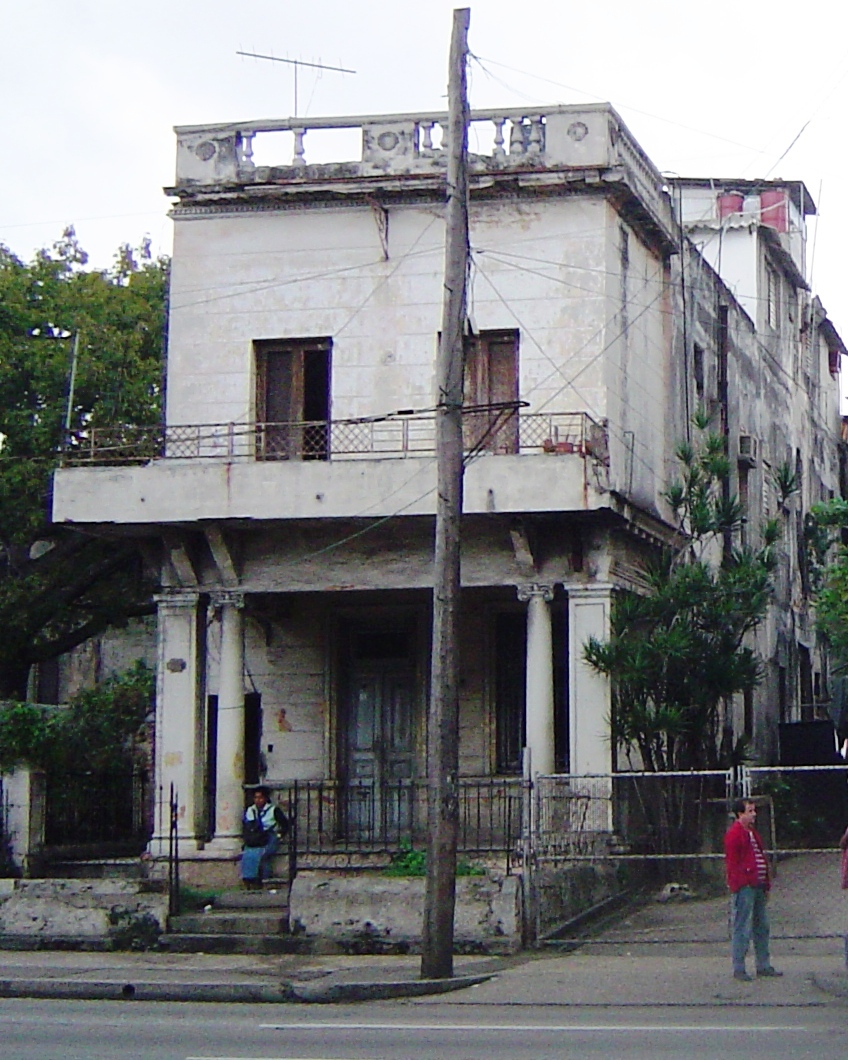
Vedado is full of contrasts. The park is surrounded by colonial-era buildings with balconies and wrought-iron railings. These streets are quieter than the historic center, lined with leafy avenues and low-rise houses. In the mornings, locals drink coffee on shaded verandas. In the evenings, live music drifts from small cafés.
For older Cubans, the park is a reminder of when Western culture was forbidden. Listening to The Beatles was an act of quiet resistance. For younger generations, it’s a symbol of how boundaries shift. What was once taboo becomes part of everyday life.
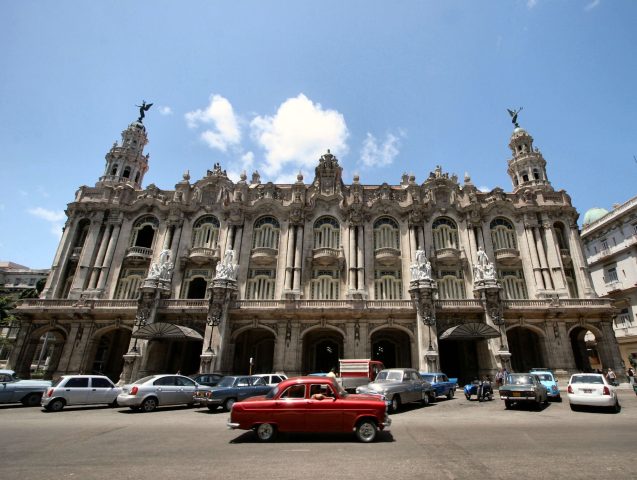
From the park, it’s a short walk to the Malecón. Vedado gives way to busier districts, but here, beneath the trees, the city feels different. It’s not just the Havana of revolution and cigars, of vintage cars and crumbling grandeur. It’s a place where music lingers, where the past is always close. The park, with its statue and its layers of history, is part of that story.