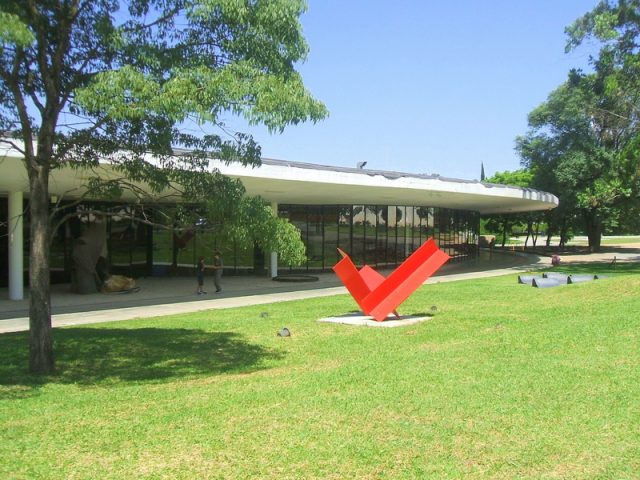
Ibirapuera Park is a vast green space where São Paulo’s relentless energy softens. Tucked into Brazil’s largest metropolis, it feels separate, though the skyline of glass and concrete remains visible. Opened in 1954 for the city’s 400th anniversary, it has since become a daily refuge for *paulistanos*, a place where urban life slows just enough to breathe.
The name Ibirapuera comes from the Tupi-Guarani language: *ybyrá-puéra*, meaning "rotten tree." It refers to the marshes and dense thickets that once covered the area. Today, those marshes are gone, replaced by lawns, winding paths, and ponds where ducks drift and turtles sun themselves. Oscar Niemeyer and other modernist architects designed the park, blending wildness with bold lines and sweeping curves.
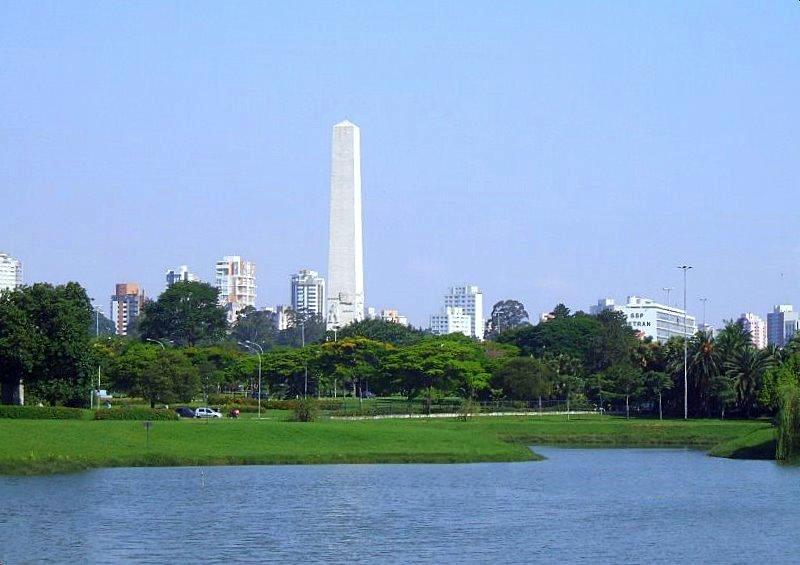
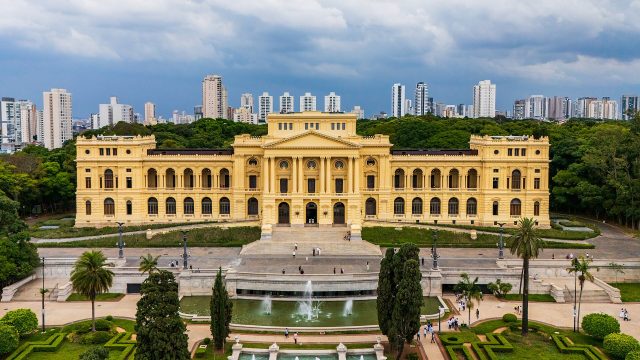
Walking through Ibirapuera, you move between two worlds. One is natural—shady groves, open meadows where families picnic, and bursts of color from flowering ipês or jacarandas. The other is architectural: Niemeyer’s sleek pavilions, the Obelisk of the Constitutionalist Revolution, and the dome of the Afro Brazil Museum. These structures seem to grow from the park, their clean geometries softened by greenery.
The park hosts the city’s cultural life. On weekends, open-air theaters and plazas fill with music, dance, and conversation. The Museum of Contemporary Art (MAC) holds Brazilian and international works. The Japanese Pavilion, a gift from São Paulo’s Japanese community, offers traditional gardens and tea ceremonies. The Afro Brazil Museum traces African influence on Brazilian identity—religion, music, language, and cuisine. These spaces invite engagement, whether through tours, workshops, or lingering before a painting.
Ibirapuera holds memory. The Monument to the Bandeiras depicts Portuguese explorers and their Indigenous guides, a controversial tribute to colonial-era adventurers. Nearby, the Obelisk marks the 1932 Constitutionalist Revolution, part of São Paulo’s fight for democracy. These monuments spark conversations about contested history. You might encounter a protest, a memorial, or a spontaneous performance—reminders that the park is woven into the city’s political and social fabric.
What makes Ibirapuera special is how it transforms the city’s energy. Early mornings belong to runners and cyclists. By midday, lawns fill with office workers, students, and friends sharing mate tea. In late afternoon, golden light casts long shadows, and the scent of grilled *pão de queijo* fills the air. Evenings bring glowing pavilions and live music drifting from open-air stages.
The park has changed with the city. New bike lanes connect to São Paulo’s cycling routes. Eco-trails highlight native flora, and yoga sessions draw crowds. Community-led initiatives—tree-planting days, clean-up events, and sustainability programs—remind visitors that Ibirapuera is a living ecosystem needing care.
For all its activity, the park feels unhurried. You can spend hours watching ducks on the pond, reading under a tree, or sitting on a bench as the city’s noise fades. It’s a place to escape and connect—with nature, history, each other. In a city that never stops, Ibirapuera offers a pause.
That’s why people return. Whether you’re a local seeking a break or a visitor trying to understand São Paulo, the park feels like home. It’s a shared experience, a collective memory. No matter how the city changes, Ibirapuera remains constant—a place where past and present coexist, where urban and natural find balance.