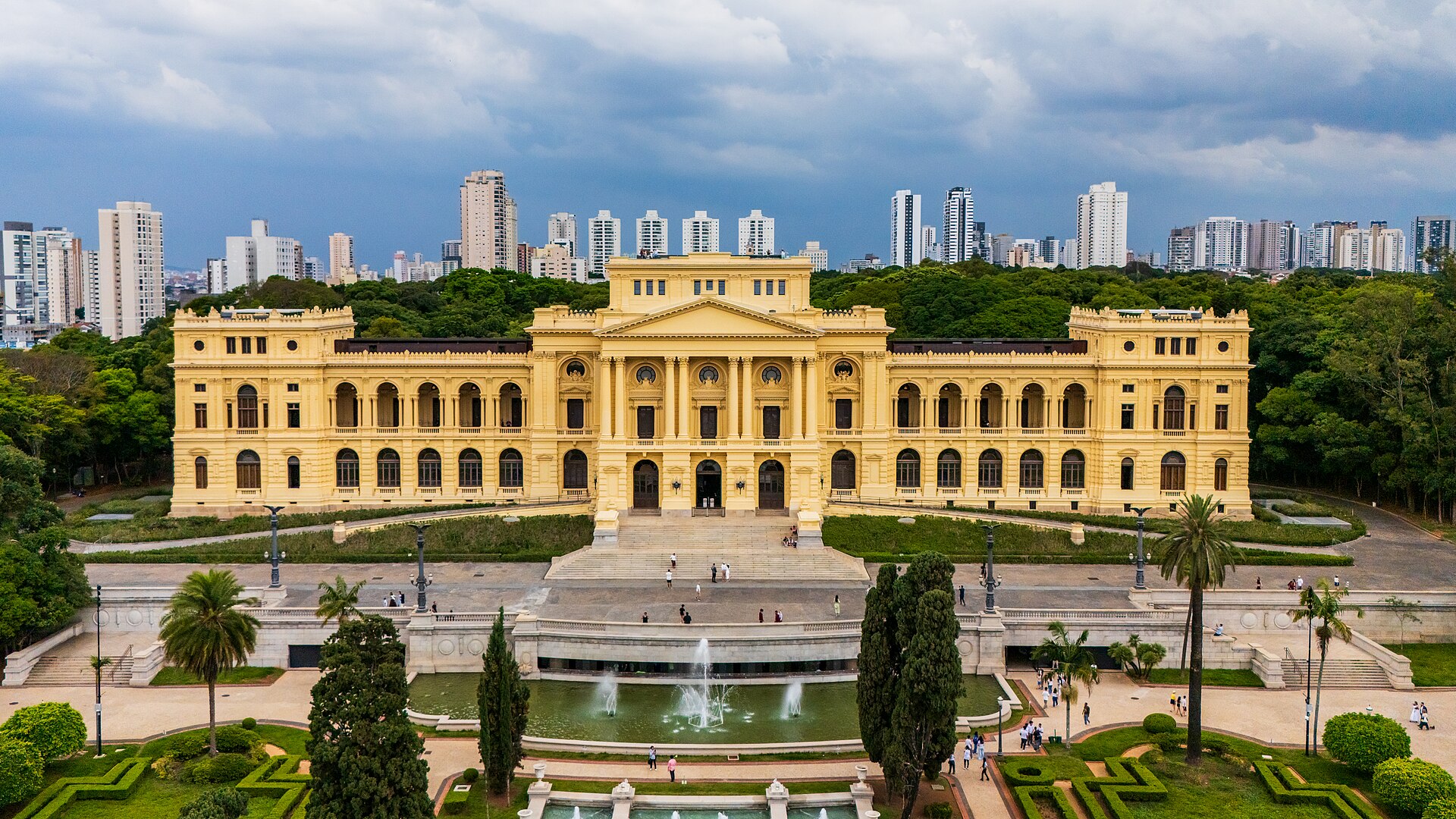
The Paulista Museum, often called the Ipiranga Museum after the hill where it stands, is one of São Paulo’s most important historical landmarks. It was here, in 1822, that Prince Pedro declared Brazil’s independence from Portugal, a moment that shaped the nation’s identity. The museum itself opened in 1895 as a monument to that event, but its significance goes far beyond a single proclamation. The building is a striking example of neoclassical architecture, blending Renaissance and Baroque influences. Its grand façade features towering columns, intricate sculptures, and bas-reliefs, while the interior boasts ornate plasterwork, stained-glass windows, and marble floors that echo the opulence of the era.
Inside, the museum’s collection spans Brazil’s history from colonial times to the early republic. Visitors can explore artifacts that tell the story of the country’s evolution—everyday objects, weapons, documents, and artworks that reflect different periods. One of the most famous pieces is Pedro Américo’s *Independence or Death*, painted in 1888. The dramatic scene of Prince Pedro raising his sword has become an iconic image in Brazilian culture, symbolizing the birth of the nation. Beyond this masterpiece, the museum houses an impressive array of 19th-century paintings, each capturing pivotal moments in Brazil’s past.
The exhibits do more than display relics; they bring history to life. Walking through the halls, you can almost hear the echoes of the past in the creak of heavy wooden doors, the glow of antique chandeliers, and the faded ink of handwritten letters. The museum’s collection of 19th-century furniture and decor offers a glimpse into the lives of Brazil’s aristocracy and bourgeoisie, while personal items belonging to Emperor Pedro II and his family add a deeply human dimension to the narrative. These objects aren’t just artifacts—they’re connections to the people who shaped the country.
Beyond its permanent collection, the museum hosts temporary exhibitions that delve into various aspects of Brazilian culture, from art and science to social movements. Collaborations with other institutions keep the programming fresh, ensuring there’s always something new to discover. For those eager to dive deeper, the museum offers lectures, seminars, and guided tours, often led by historians and researchers. These events provide context and insight, making the past feel more immediate and relevant.
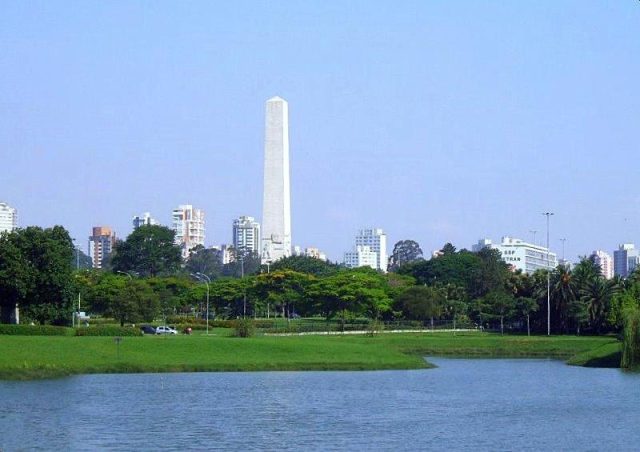
The grounds surrounding the museum are as much a part of the experience as the building itself. Ipiranga Park, with its winding paths and centuries-old trees, is a peaceful retreat in the heart of São Paulo. Locals and visitors alike come here to stroll, relax on benches, or enjoy the view of the city below. The park is dotted with monuments and memorials honoring Brazilian heroes, and a small pond with a fountain adds to its charm. On weekends, the space often hosts concerts and cultural events, drawing crowds who come to enjoy the open-air atmosphere.
The Paulista Museum is more than a repository of artifacts—it’s a symbol of national identity. For Brazilians, it’s a reminder of the struggles and triumphs that defined their country. For foreigners, it offers a window into Brazil’s complex history and cultural heritage. Despite being located in one of Latin America’s most modern and fast-paced cities, the museum feels like a place where time stands still. Here, the past isn’t just preserved; it’s alive, waiting to be explored.
A visit to the museum can easily take a few hours, especially if you take the time to wander through the exhibits and the park. Weekdays tend to be quieter, making it easier to appreciate the details without crowds. While admission is usually paid, discounts are often available for students, seniors, and children. Inside, a small café offers a place to rest with coffee or a light meal, and a gift shop sells books, postcards, and reproductions of famous artworks.
What makes the Paulista Museum special isn’t just its collection—it’s the atmosphere. The building, the artifacts, and the stories they tell create a sense of connection to Brazil’s past. It’s a place where history feels tangible, where you can trace the threads that link the country’s origins to its present. More than a museum, it’s a living monument, still speaking to anyone willing to listen.