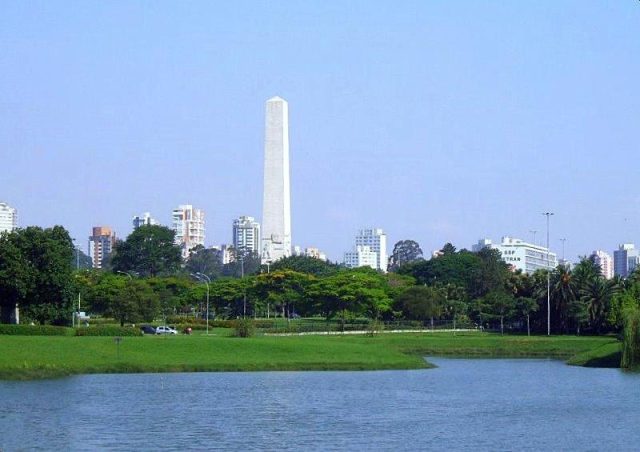
São Paulo has a way of making science feel tangible, and the Butantan Institute is where that happens. Founded in 1899, it began as a small laboratory producing serums to combat outbreaks and has since grown into one of Brazil’s most important biomedical research centers. Here, venom is studied, vaccines are developed, and the history of public health unfolds in quiet, unassuming buildings. Beyond the laboratories, there’s a sprawling park where the trees have stood longer than most of the city’s skyscrapers.
The institute’s origins trace back to a crisis. In the late 19th century, plague reached the port of Santos, and authorities feared it would spread to São Paulo. They tasked scientist Vital Brazil with establishing a facility to produce anti-plague serum. He chose Butantan—a spacious, semi-rural area with a climate suitable for housing animals. The name stuck, and so did the institute’s mission: to turn poison into medicine.
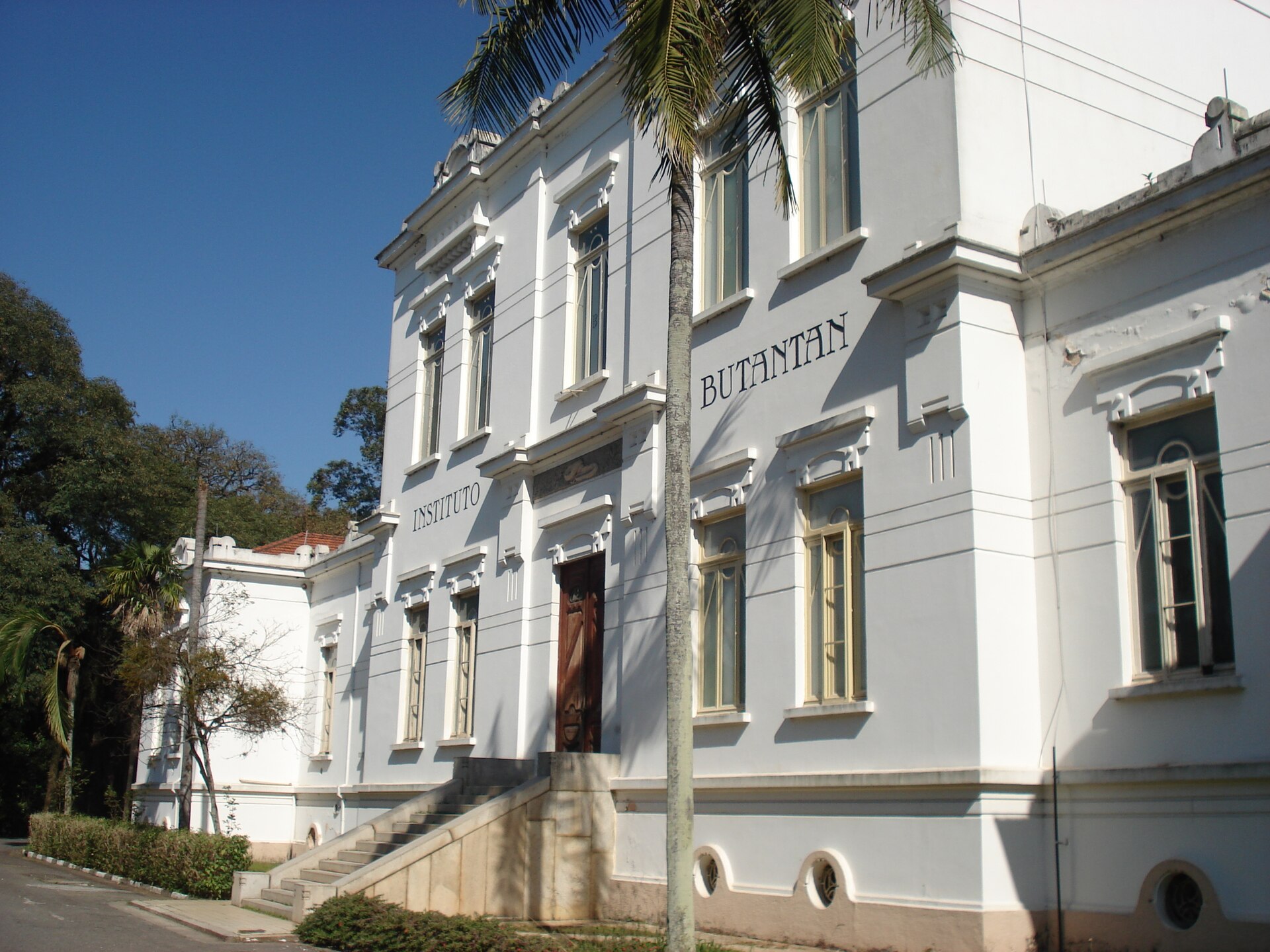
Walking through the older buildings feels like stepping into the early 20th century. The brick facades, high ceilings, and wooden window frames remain largely unchanged. Some of the original laboratories still hold glass flasks and balances used by the first researchers. Later additions blend in seamlessly, maintaining the same architectural style. One of these buildings houses the Museum of Microbiology, where visitors can peer through microscopes at bacteria, learn how incubators work, and understand why certain viruses are more dangerous than others. Nearby, the library preserves letters from scientists, early editions of research papers, and photographs of experiments that shaped modern medicine.
The institute’s most famous residents live in the serpentarium. Rattlesnakes, yellow scorpions, and tarantulas are kept in carefully controlled environments, each a source of venom that can either kill or cure. From snake venom, scientists derive medications for hypertension; scorpion toxins are studied for potential cancer treatments. Exhibits explain this process, showing how venom is extracted, purified, and transformed into life-saving drugs. The largest enclosures belong to the snakes—king cobras, black mambas, and bushmasters—each labeled with details about their habitat, hunting methods, and the effects of their venom. Interactive displays let visitors explore how many people are affected by snakebites each year, turning a grim statistic into something more approachable.
Butantan isn’t just a museum. It’s an active research hub where vaccines are developed and infectious diseases are studied. Guided tours sometimes include visits to working laboratories, where scientists handle test tubes and examine cells under microscopes. During the COVID-19 pandemic, the institute played a key role in producing vaccines. Today, researchers are investigating the venoms of sea snakes and spiders, searching for new therapeutic properties. Guides explain why some discoveries take years, while others take decades, offering a glimpse into the slow, methodical nature of scientific progress.
Beyond the buildings, the institute’s grounds stretch across 80 hectares of green space. Wide paths wind past ponds and towering trees, some of which have stood for over a century. In summer, the shade offers relief from the city’s heat; in autumn, the leaves turn gold and crimson. On weekends, families wander the paths, stopping to watch the snakes or sit on benches near the café, where coffee and pastries are sold. Signs at the entrance remind visitors to respect the space: no feeding the animals, no loud noises, no touching the exhibits.
What makes Butantan different from other science museums is its lack of flash. There are no high-tech simulations or virtual reality experiences—just real snakes, functioning laboratories, and a quiet park where you can sit and think. The questions that arise here are fundamental: How does venom become medicine? Why do some diseases reemerge? How do scientists find answers? The explanations aren’t always simple, but the search for them is compelling.
This is a place where science isn’t abstract. It’s alive, sometimes dangerous, and always fascinating. Whether you’re drawn by the history, the research, or the chance to walk among trees older than the city itself, Butantan offers something rare: a connection to the work that shapes our world, presented without fanfare.