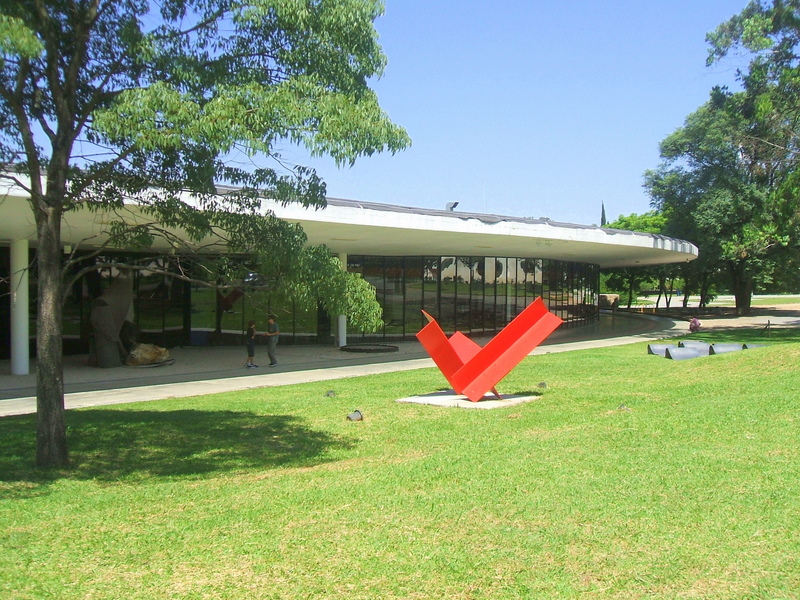
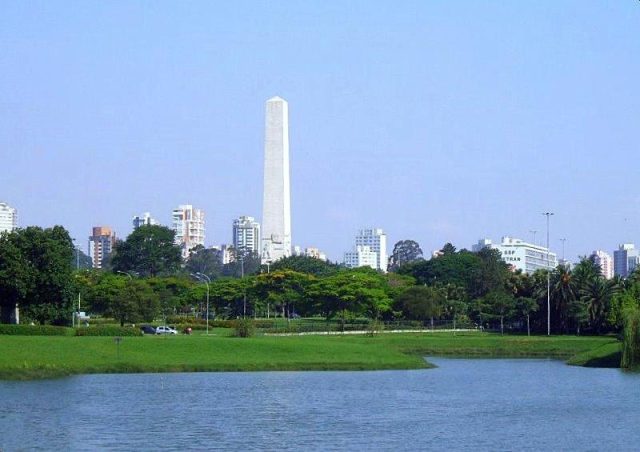
São Paulo’s Museum of Modern Art feels less like a traditional gallery and more like a living organism, evolving alongside the city and its people. Tucked within Ibirapuera Park, the largest and most beloved green space in this sprawling metropolis, the museum blends into the landscape without disappearing. Its presence is unmistakable, though, thanks to the distinctive architecture of Oscar Niemeyer. The building’s sweeping curves and open design give it a weightless quality, as if it’s hovering just above the ground. Inside and out, the space breathes with a sense of freedom that mirrors the spirit of contemporary art itself.
The museum’s origins trace back to the mid-20th century, when a group of visionaries sought to create a platform for avant-garde art in Brazil. The movement began in Rio de Janeiro with the founding of the Museum of Modern Art there in 1948, and the idea soon took root in São Paulo. By 1963, the city had its own institution, which quickly became a cornerstone of its cultural scene. Over the decades, the collection expanded, gathering works by both Brazilian and international artists that reflect the diverse movements of the late 20th century and beyond.
Today, the museum houses over eight thousand pieces, including paintings, sculptures, prints, photographs, and video art. Visitors can encounter works by Kandinsky, Miró, and Picasso, alongside pieces by Brazilian masters like Tarsila do Amaral, Di Cavalcanti, and Lygia Clark. The collection is dynamic, constantly growing and shifting, with temporary exhibitions often spotlighting emerging artists. These shows frequently draw crowds, not just from the art world but from the broader public, turning the museum into a place where curiosity is as welcome as expertise.
What sets this museum apart is its accessibility. Far from being an exclusive or intimidating space, it actively invites engagement. Lectures, workshops, film screenings, and discussions are regular features, open to anyone who wants to participate. Admission is free on weekends, making it a popular destination for families, students, and anyone looking to spend a few hours in a space that feels both stimulating and relaxed. The atmosphere is unpretentious—visitors can bring their children, pack a picnic to enjoy on the lawn, or simply sit on a bench and watch the interplay between art and the world outside.
Ibirapuera Park itself is a vital part of São Paulo’s daily rhythm. It’s where people come to escape the city’s relentless pace, whether to bike, jog, or wander beneath the trees. The museum fits seamlessly into this environment, almost as if it grew from the landscape rather than being placed within it. Around the building, you might stumble upon artists sketching en plein air, musicians playing impromptu sets, or groups of friends debating the meaning of a particular piece. Here, art isn’t confined to the walls—it spills out into the park, engaging with the life around it.
Niemeyer’s architecture plays a crucial role in this experience. The building’s design blurs the line between inside and out, with large windows and open terraces that invite natural light and air to flow freely. The interiors are deliberately understated, ensuring that nothing distracts from the art on display. Yet the structure itself is a work of art, demonstrating how architecture can enhance and even challenge the way we perceive creativity. The museum doesn’t just house art; it frames it, offering new perspectives with every step.
Beyond its physical presence, the museum serves as a bridge between different worlds. It connects the past with the present, local traditions with global influences, and high art with everyday life. You could spend hours here, studying the brushstrokes of a masterpiece, or simply sit on a bench and watch the city go by. Either way, the museum leaves you with the sense that art isn’t something distant or untouchable. It’s a living, breathing part of the world, something to be experienced, questioned, and carried with you long after you’ve left.