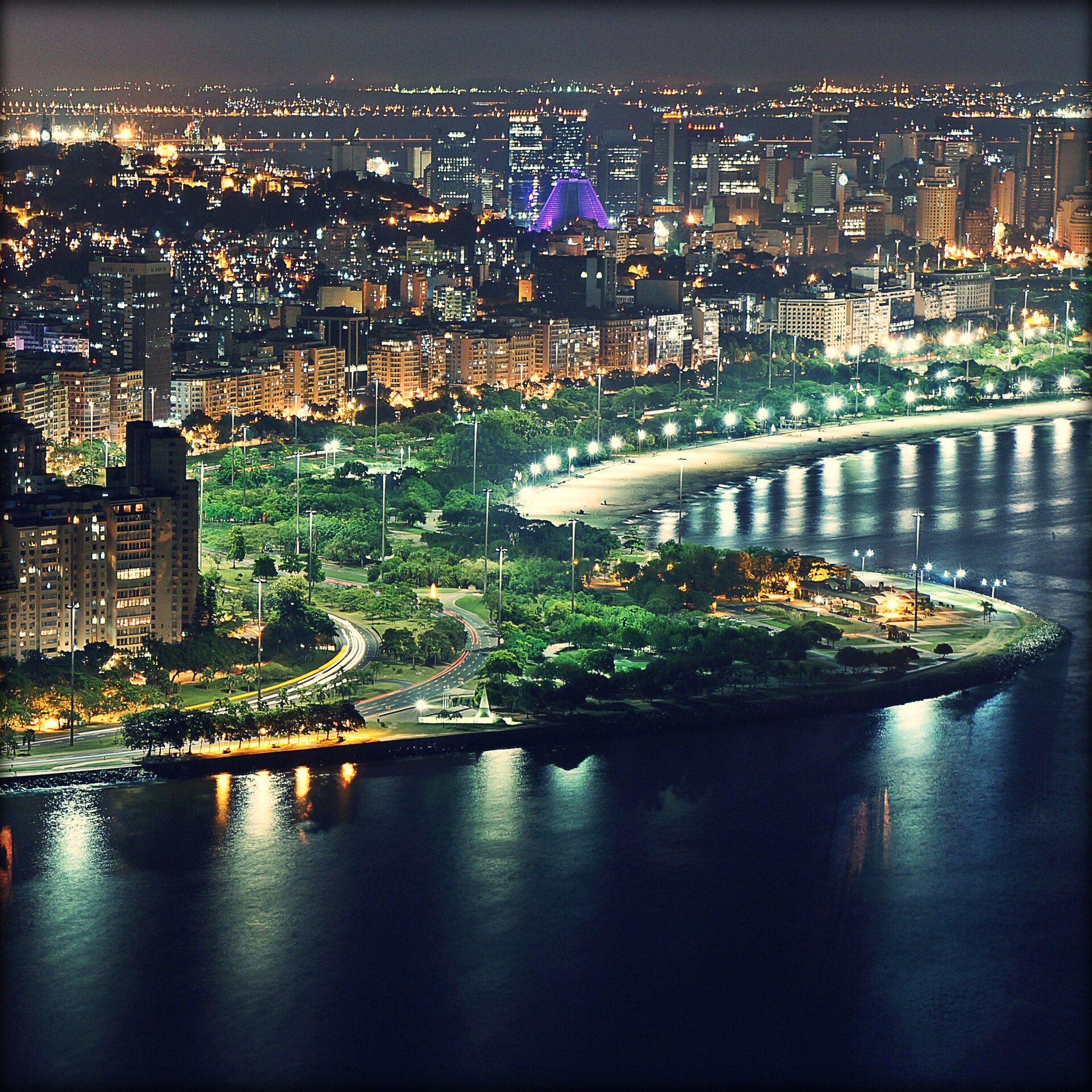
Flamengo Park is one of those rare places in Rio de Janeiro where the city softens into the sea, where the hum of traffic dissolves into the rustle of palm leaves and the gentle lap of waves against the shore. Stretching along Guanabara Bay, it weaves together the neighborhoods of Flamengo, Botafogo, and Urca into a single green expanse that locals simply call *Aterro*—the waterfront. Unlike the crowded beaches of Copacabana or Ipanema, this is a place of open skies and quiet corners, where time seems to slow just enough to let you breathe. It’s not just a park; it’s a living piece of the city’s history, shaped by the ambitions and transformations of mid-20th-century Brazil.
The park’s origins trace back to a bold urban renewal project in the 1950s and 60s, when Rio was preparing to meet the demands of a growing population and its new role as the nation’s capital. The city’s then-mayor, Carlos Lacerda, envisioned turning the marshy edges of the bay into a modern public space. The plan required draining parts of the waterfront, reclaiming land, and sculpting an entirely new landscape. The project was led by Roberto Burle Marx, a name now synonymous with Brazilian modernist garden design. Working alongside architects Affonso Eduardo Reidy and Sérgio Bernardes, as well as engineer Oscar Niemeyer, Burle Marx crafted a space where nature and urban life could coexist without pretense.
What makes Flamengo Park special is how effortlessly it blends the wild and the designed. Burle Marx, a master of using native plants, arranged the park’s greenery in ways that feel organic yet meticulously composed. Royal palms line winding paths, bamboo thickets create secluded corners, and bursts of flowering shrubs add splashes of color. Even the water features—small ponds dotted with water lilies—seem to belong here, as if they’ve always been part of the landscape. The paths curve deliberately, revealing new views with every turn: the bay glinting in the sunlight, Sugarloaf Mountain looming in the distance, or the sweeping arc of the Rio-Niterói Bridge. Along the shore, narrow beaches of dark sand invite leisurely strolls, though swimming isn’t recommended. Instead, they’re perfect for watching the sunset or simply listening to the waves.
The park is also a showcase of Brazil’s modernist architectural heritage. One of its most striking features is the Museum of Modern Art, designed by Affonso Reidy. The building, an inverted pyramid with vast glass facades, appears to float above the ground, its interiors bathed in natural light. Nearby stands the Monument to the Dead of World War II, a stark concrete obelisk with an eternal flame. It’s a quiet reminder that Brazil, though far from the main theaters of war, played its part in the global conflict. These structures, along with the park’s layout, reflect the optimism of an era when Brazil was reimagining its future.
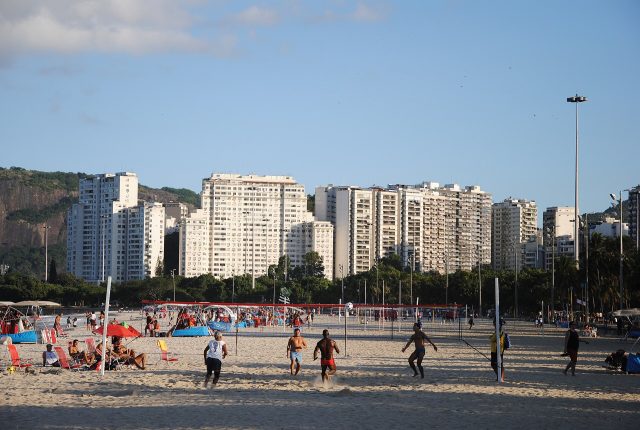
For cariocas—Rio’s residents—Flamengo Park is more than just a place to relax. It’s where daily life and history intersect. On any given day, you might see groups of friends picnicking on the grass, elderly men playing chess under the shade of trees, or runners pounding the pavement along the waterfront. Weekends bring open-air markets, impromptu concerts, and small festivals. In the summer, the park comes alive with film screenings, dance parties, and art exhibitions under the stars. Winter, by contrast, is quieter, offering a peaceful escape from the city’s usual frenzy.
One of the park’s defining traits is its openness. There are no fences, no gates, and no admission fees—just a seamless transition from the city to the green. That said, some areas can feel less safe after dark, especially for those exploring alone, but during the day, the park is welcoming to all. Cyclists and rollerbladers zip along the paths, families spread out on the lawns, and children play on the playgrounds. A dedicated bike lane runs for several kilometers along the waterfront, connecting Flamengo to other parts of the city. It’s a favorite route for runners and cyclists, who appreciate the chance to exercise with a view of the bay.
Beyond its physical beauty, Flamengo Park captures the spirit of Rio in all its complexity. There’s no touristy veneer here—just the authentic rhythm of the city, where tradition and modernity coexist. As you walk the paths, you’ll hear a mix of Portuguese, Spanish, and English, catch snippets of samba from street musicians, or stumble upon a pickup soccer game. Vendors sell classic Brazilian snacks like *pastéis* (fried pastries), *açaí* bowls, and strong, sweet coffee. It’s a place where the city’s energy feels tangible, yet never overwhelming.
Over the decades, the park has become more than just a product of urban planning; it has taken on a life of its own. It has hosted protests, cultural events, and even sports competitions. In 1992, during the UN Earth Summit, it served as a venue for environmental discussions. In 2016, it was part of the Olympic Games, with cycling events held along its paths. But even without such high-profile moments, the park remains a vital part of Rio’s identity—a space where the city reveals its best self.
Today, Flamengo Park stands as both a green oasis in the heart of a bustling metropolis and a monument to an era when Brazil dared to dream big. It embodies the optimism and forward-looking spirit of the mid-20th century, when architecture and nature were seen as partners in shaping the future. For visitors, it’s a place to unwind, to step away from the noise and crowds. For locals, it’s a familiar backdrop to their lives, filled with memories and meaning. In the end, Flamengo Park isn’t just a collection of trees and pathways—it’s a piece of Rio, telling its story to anyone willing to listen.