The Monument to the Pioneers sits along Rio de Janeiro’s waterfront, where Brazil’s colonial story began. It honors the people who shaped these lands in the 16th century: Portuguese navigators, missionaries, and Indigenous inhabitants. The sculpture shows the moment when two worlds met—an encounter that set centuries of change in motion. It freezes time, not to glorify, but to mark the weight of that first contact.
Flamengo tells Rio’s transformation in layers.
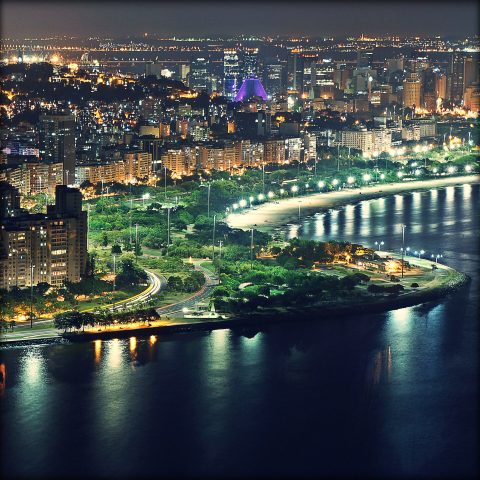
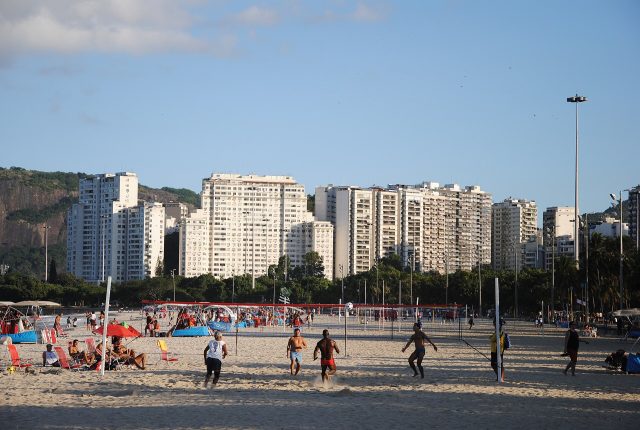
Once a marshy coastline, it became a hub as the Portuguese drained the land and built warehouses. Today, it’s one of the city’s greenest neighborhoods. A sprawling park, a seaside promenade, and views across Guanabara Bay frame the monument. Joggers pass by. Families stroll with children. In the evenings, people gather to watch the sunset. The monument blends into these rhythms, as much a part of the city as the city is of it.
The design reflects Brazil’s mid-20th century reexamination of its past. The sculptor avoided grandeur, instead carving figures with rough, weary expressions. Their faces hint at hardship and uncertainty. No idealization—just people stepping into the unknown. The approach is unflinching: history isn’t simple, and this monument doesn’t pretend it is.
For locals, the monument is woven into daily life. Some visited as children with their parents. Others meet friends here. Many walk past it on their way to work. These are the places that give a city its character, the ones that don’t always make it into guidebooks. Flamengo is where history and modernity coexist, and the monument quietly reminds people of that.
Up close, the details emerge. The faces aren’t heroic but tired, curious—still processing what they’ve just encountered. The textures of their clothing, the wooden crosses, the tools feel tangible. The stone almost disappears, leaving only the weight of the moment. That’s why the monument doesn’t feel distant. It asks you to think about the stories behind it.
Rio has other colonial sites—the São Bento Monastery, the Candelária Church—but this one isn’t crowded. No rush, no tour groups. Just a bench, the bay, and the chance to imagine how it all began. The monument isn’t just about the past. It’s about the present, too. History isn’t locked in museums. It’s in the streets, the water, the air.
Flamengo wasn’t always sought after. In the early 20th century, it was industrial—docks, warehouses, workers, immigrants. Over time, it transformed into a neighborhood where people want to live. The monument became part of that shift, a symbol of how even ordinary places hold meaning. Today, it’s a quiet corner of Rio, far from downtown’s hustle but with its own atmosphere.
For those curious about Brazil’s history, the monument offers a starting point. It was here, along Guanabara Bay, that Portuguese explorers first landed in 1502. The shores looked different then—no city, no park. The monument helps bridge that gap. It’s a reminder that Brazil’s story isn’t just grand battles or revolutions. It’s first steps on unfamiliar soil, cultures meeting and mixing.
The Monument to the Pioneers doesn’t demand attention. But if you look, you’ll see more than stone. It’s where past and present intersect, where history feels personal. Rio has sights that dazzle, but it’s these quieter spots that make the city real. Places where you can sit, reflect, and feel a connection to the people who came before.