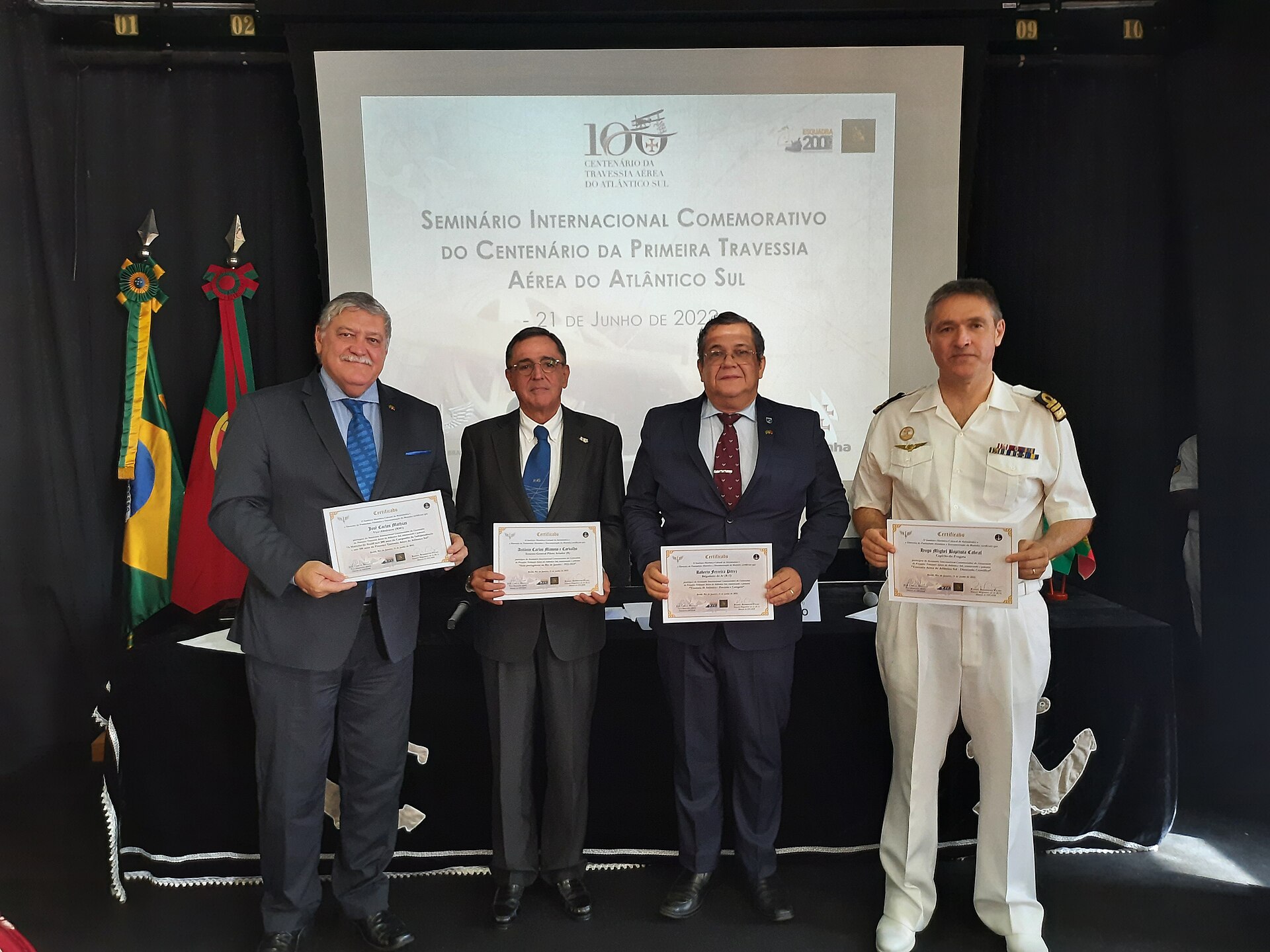
The Maritime Museum in Rio de Janeiro is one of those places where the city’s past feels almost tangible. Housed in a building that has witnessed over a century of Brazilian history, it stands in the Flamengo neighborhood, a quiet corner of the city that contrasts with the bustle of Copacabana or Ipanema. The structure itself dates back to the early 1900s, originally serving as a government building before finding its current purpose. Its architecture is a blend of practicality and grandeur—tall ceilings, wide windows, and spacious halls give it an airy feel, while the sturdy columns and intricate moldings hint at the importance it once held.
Inside, the museum tells the story of Brazil’s relationship with the sea, a bond that has shaped the country’s identity for centuries. The exhibits span from the age of Portuguese exploration to the modern era, with detailed ship models that bring to life the vessels that once sailed the Atlantic. There are colonial-era sailing ships, sleek warships from the 19th century, and even replicas of merchant vessels that connected Brazil to the rest of the world. The displays go beyond just ships, though. Navigation instruments, old maps, and personal items belonging to sailors offer a glimpse into the daily lives of those who spent months, even years, at sea. It’s easy to imagine the challenges they faced—storms, isolation, and the constant threat of disease—when you see the tools they relied on.
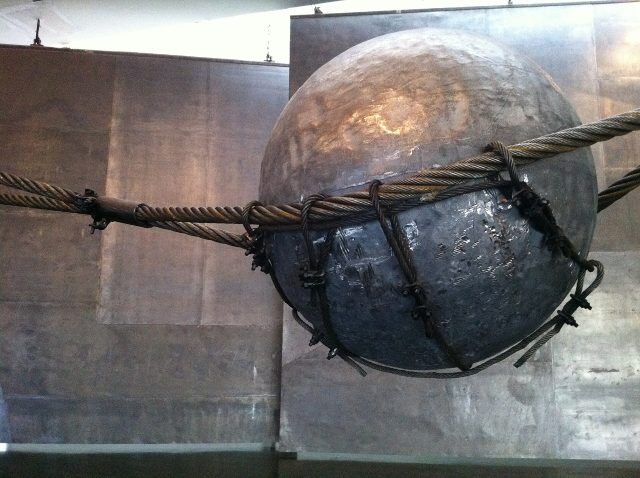
One of the most compelling sections of the museum is the underwater archaeology collection. Here, artifacts recovered from shipwrecks along Brazil’s coast are on display, each with its own silent story. There are pieces of pottery, coins, weapons, and everyday objects that once belonged to sailors, merchants, or even pirates. Some of these items are remarkably well-preserved, while others bear the marks of time spent in saltwater. They speak of trade routes that connected continents, of battles fought on the open sea, and of the countless lives lost to the ocean. There’s a certain melancholy to these exhibits, a reminder that the sea has always been both a provider and a taker.
The museum isn’t just about looking at the past—it invites visitors to engage with it. Interactive displays let you try your hand at navigation, learn how ship engines work, or even step into the role of a captain making decisions at sea. There are workshops and lectures for all ages, covering everything from the basics of sailing to the history of Brazil’s naval battles. For those who want a deeper dive, guided tours explore topics like the evolution of shipbuilding or the role of the navy in Brazil’s independence. It’s a place where history feels alive, not just something to be observed from a distance.
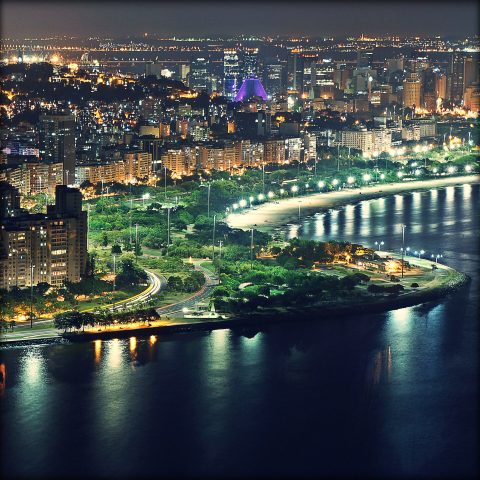
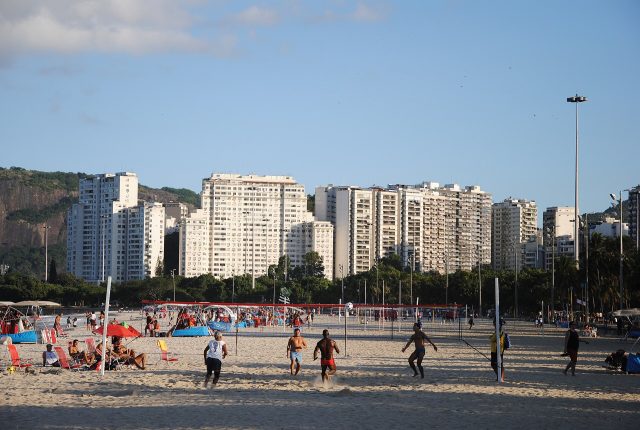
Outside the museum, Flamengo Park offers a different kind of experience. One of Rio’s greenest spaces, it stretches along the shore of Guanabara Bay, where the city’s maritime history continues to unfold. On clear days, you can watch ships entering the port, their silhouettes a reminder that the sea is still a vital part of Rio’s life. The park itself is a popular spot for locals—families have picnics, joggers weave along the paths, and couples stroll along the waterfront. It’s a place where the past and present coexist, where the museum’s stories of old ships and sailors feel just a little closer to reality.
What makes the Maritime Museum special is how it connects Brazil’s history to something much larger—the ocean itself. For a country with such a long coastline, the sea has always been more than just a backdrop. It’s been a highway for trade, a source of food, a battleground, and a cultural touchstone. The museum captures that complexity, showing how Brazil’s identity has been shaped by its waters. Whether you’re interested in naval history, archaeology, or just curious about how the sea has influenced the country, there’s something here that resonates.
Walking through the exhibits, it’s hard not to feel a sense of continuity. The ships may have changed, the technology may have advanced, but the ocean remains the same. The museum doesn’t just preserve artifacts—it preserves stories. Stories of adventure, of survival, of people who looked out at the horizon and saw possibility. And when you step outside, back into the sunlight and the sound of waves lapping against the shore, it’s easy to see why those stories still matter. The sea is still there, still shaping the city and the country, just as it always has.