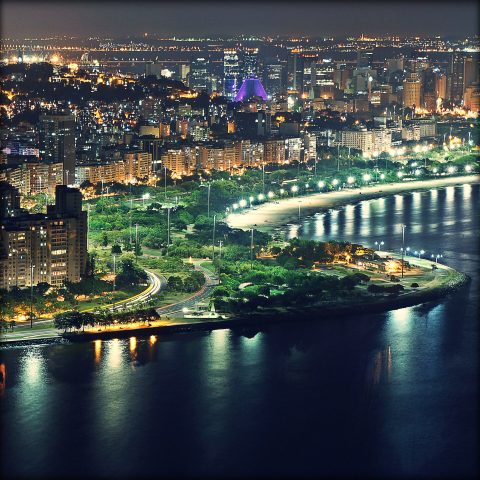
The Museum of Modern Art in Rio de Janeiro isn’t just a place where art is displayed—it’s where art seems to breathe alongside the city itself. Nestled in Flamengo Park along the shores of Guanabara Bay, the building is a landmark of Brazilian modernist architecture. Designed by Affonso Eduardo Reidy in the mid-20th century, it emerged during a period when the country was embracing bold creative experimentation. The structure’s fluid lines, open spaces, and interplay of light were conceived to dissolve the boundaries between art and its surroundings. Even if contemporary art isn’t your usual interest, the building and its setting make a visit worthwhile.
Inside, the museum’s collection spans the most influential movements in Brazilian and Latin American art of the 20th century. Works by iconic figures like Lygia Clark, Hélio Oiticica, and Tarsila do Amaral share space with international artists who shaped the local scene. A standout feature is the presence of Neo-Concretism, a movement that sought to erase the divide between art and life, between viewer and object. The exhibitions aren’t static; they evolve, reflecting new trends and bringing lesser-known names into the spotlight.
Beyond exhibitions, the museum pulses with activity. Lectures, workshops, film screenings, and performances turn it into a dynamic cultural hub. In the summer, the open plaza in front often hosts concerts and festivals where art, music, and dance intertwine. The atmosphere is unpretentious—visitors range from seasoned art lovers to casual passersby drawn by the park’s beauty or word of an unusual event.
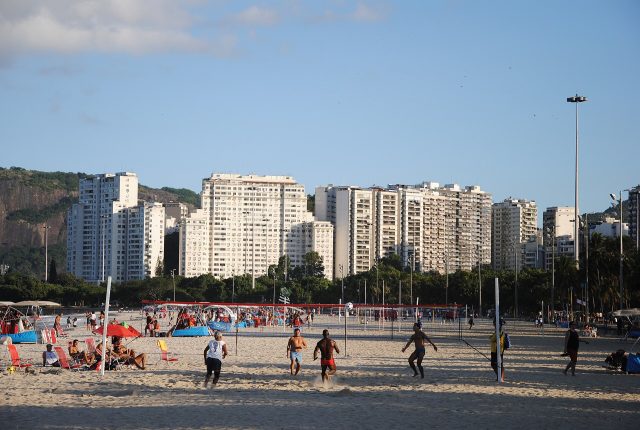
Flamengo Park, where the museum resides, has its own story. Created in the 1960s on what was once a stretch of slums and swampland, it was a collaborative effort by architects, landscape designers, and engineers to transform the area into a green oasis for the city. Today, it’s a place where families stroll, runners train, and weekend picnics unfold. The museum fits seamlessly into this landscape, as if it has always been part of the park’s rhythm.
The museum has faced its share of challenges. In 2016, a fire devastated part of its collection, a loss that deeply affected Rio’s cultural life. Yet, through government support and private donations, the museum not only recovered but expanded. It stands as a testament to resilience, proving that art isn’t just about beauty—it’s about endurance.
For anyone trying to understand modern Brazil, this museum offers a compelling lens. There’s no stuffiness of traditional galleries here, just a sense of how art engages with reality. You might spend hours studying abstract canvases, then step outside to see the sunset painting the bay in the same hues as the paintings inside. Or linger on a park bench, watching locals go about their day, and realize that here, art isn’t separate from life—it’s woven into it.
The Museum of Modern Art in Rio de Janeiro is more than a building with paintings. It’s a place where history, architecture, and culture converge. It tells the story of a nation searching for its artistic voice, navigating crises, and holding onto creativity. When you visit, don’t rush. Take time to wander the galleries, sip coffee with a view of the bay, and let the city’s pulse sink in—it’s especially vivid here.