San Ignacio de Velasco sits quietly in the eastern lowlands of Bolivia, a town where the past lingers in the red earth and the slow rhythm of daily life. Just outside its edges, where the paved roads give way to dusty tracks, lies El Árbol de Guayabo—a place that feels less like a park and more like a living memory. The giant guayabo tree at its heart has stood here for centuries, its broad canopy stretching wide enough to shelter dozens beneath its shade. It’s the kind of tree that doesn’t just grow from the ground but seems to rise from the stories of the land itself, a silent witness to the generations that have passed beneath its branches.
The tree is a guayabo, a species known for its resilience and the sweet, fragrant fruit it bears. But here, it’s something more than just a botanical curiosity. Its trunk, thick and gnarled, splits into massive limbs that sprawl outward like outstretched arms, while its roots dig deep into the soil, anchoring it against storms and time. Locals have long gathered under its boughs—not just for the cool relief from the midday sun, but for the quiet company it offers. There’s a sense that this tree has always been a meeting place, a spot where conversations begin and end, where children play and elders rest. The park around it is simple: a few wooden benches, a scattering of paths worn smooth by footsteps, and open spaces where families spread out blankets for an afternoon meal. There are no grand monuments or manicured gardens, just the tree and the land around it, left mostly as it was.
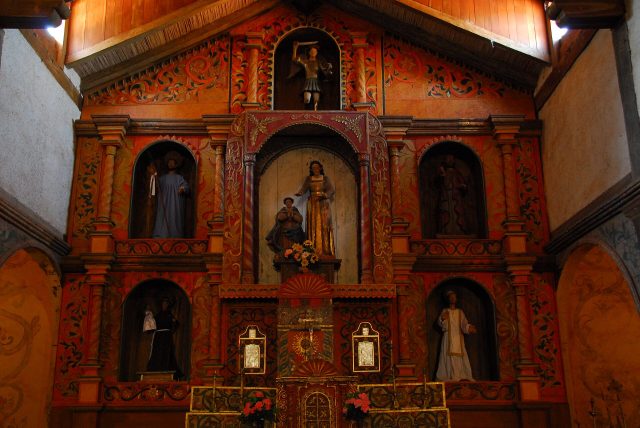
San Ignacio de Velasco, the town nearby, carries its own weight of history. Founded in the 18th century by Jesuit missionaries, it was once part of the network of reductions—settlements where Indigenous communities lived under the guidance of the church while preserving their crafts, music, and traditions. The region still bears traces of that era, though the park itself isn’t tied to any specific missionary legacy. Instead, it exists as a reminder of what came before, of the forests that once covered these plains long before roads or towns. The guayabo tree, like others of its kind, would have been here when the first missionaries arrived, when the land was still shaped by the rhythms of the Chiquitano people and the creatures that called it home.
What makes El Árbol de Guayabo special is its unassuming nature. There are no crowds here, no vendors hawking souvenirs, no signs pointing you toward the next attraction. The park is small, just enough space to wander for a while before settling into the quiet. The air hums with the sounds of insects and the occasional call of a bird, while the wind moves through the leaves in a way that feels almost deliberate. It’s the kind of place where time doesn’t so much stop as slow down, where you can sit on one of the rough-hewn benches and watch the light shift across the bark of the tree, dappling the ground below.
The guayabo isn’t just a tree; it’s a part of the local way of life. When its fruit ripens, the ground beneath it is littered with small, yellow-green guavas, which find their way into juices, jams, and sweets sold in the town’s markets. But the tree’s real value isn’t in what it produces—it’s in what it represents. For many, it’s a symbol of endurance, a living link to a time when the land was wilder, less tamed. It’s also a gathering place, a spot where the community still comes together, whether for a family outing or a moment of solitude. There’s a sense that the tree has seen it all—the changes, the people, the quiet passing of years—and yet it remains, steadfast and unchanging.
Getting here isn’t part of any well-trodden tourist route. Most visitors arrive by word of mouth, drawn by the promise of something authentic rather than polished. The road from San Ignacio winds through the countryside, past fields of corn and cassava, past houses built of mud and thatch, past cattle grazing lazily in the sun. The landscape hasn’t changed much in decades, and it’s easy to imagine that this is what the region looked like long before the modern world intruded. The park itself is just a short walk from the road, but the journey there feels like stepping into another time.
The climate in this part of Bolivia is tropical, which means the park can be a different experience depending on when you visit. The dry season, from May to September, is the most comfortable time to come—warm but not oppressive, with clear skies and the kind of light that makes everything feel sharper. The wet season, though, has its own magic. Rain turns the paths into slick trails, and the air is thick with the scent of damp earth and green growth. The tree itself seems to drink in the moisture, its leaves glistening as if freshly polished. Even in the downpour, there’s a sense of peace here, a reminder that nature doesn’t follow schedules or expectations.
El Árbol de Guayabo isn’t the kind of place that demands your attention. It doesn’t have the grandeur of a cathedral or the drama of a mountain range. Instead, it offers something quieter—a chance to sit still and listen, to feel the weight of history in the bark beneath your fingers, to understand that some things endure simply by existing. For those who make the journey, it’s often the small details that stay with them: the way the light filters through the leaves, the rough texture of the wood, the way the air smells after a rain. It’s a place that doesn’t need to be loud to be memorable.
Perhaps that’s why people keep coming back. Not for the spectacle, but for the sense of connection—for the way the tree seems to hold the stories of the land, for the quiet understanding that some places are more than just scenery. They’re living things, shaped by time and the people who pass through them. El Árbol de Guayabo is one of those places. It doesn’t ask for much, just that you pause for a while, look up at its branches, and let the silence settle in.