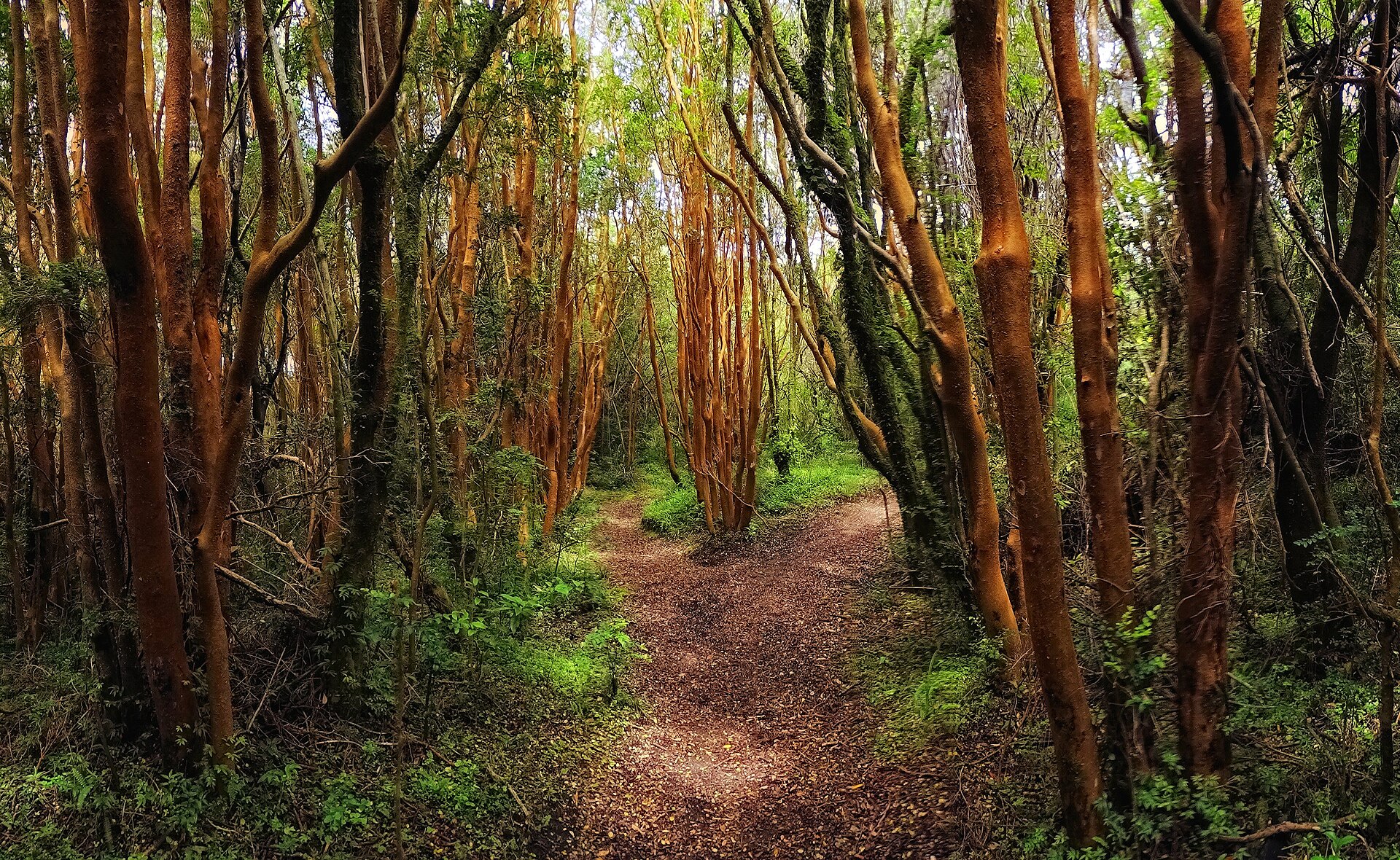
Chonchi Park is one of those places on Chiloé Island where nature and history intertwine so seamlessly that time seems to move at its own pace. Tucked into the heart of the town, it doesn’t resemble a formal botanical garden or a nature reserve. There are no manicured paths or labeled plants—just a dense forest that appears to have grown here naturally, cascading down a slope toward the sea. The trees, some native and others brought over in the early 20th century, create a sense of wild yet cared-for greenery. Walking through the park feels less like a stroll and more like an exploration of a forgotten corner of the island, where every turn reveals something unexpected—a sudden view of the bay, an old stone staircase leading nowhere, or a narrow trail disappearing into the woods.
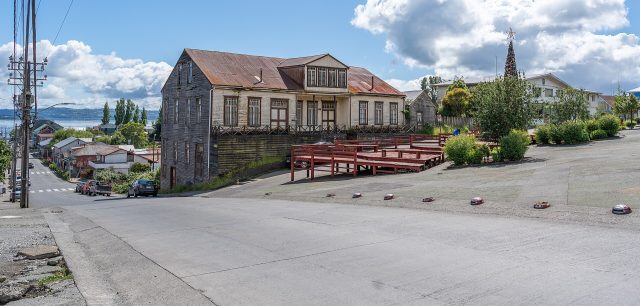
The park’s history is deeply tied to Chonchi itself, which was once one of Chiloé’s most important ports. In the late 19th century, when the island thrived on timber and seafood trade, wealthy families settled here, building grand homes in European styles. Some of these mansions still stand, and the park became an extension of their estates. The owners planted exotic trees, laid out winding paths, and built viewpoints to admire the surroundings. Over time, the town expanded, but the park remained a green refuge, surviving economic decline, earthquakes, and even development pressures.
The architecture here is understated, which is part of its charm. There are no grand structures or artificial ponds—just what nature created and humans gently shaped. Stone walls, built without mortar, support terraces where rhododendrons and magnolias bloom. The staircases, some steep and uneven, add to the park’s character. In places, you might stumble upon the remains of old fountains or gazebos, now overgrown with ivy. These ruins don’t feel abandoned; they feel like they’ve always been part of the landscape.
Chiloé is a place where nature and myth coexist, and Chonchi Park is no exception. Locals speak of spirits that linger in the forest, part of the island’s rich folklore. Whether you believe in them or not, the park’s atmosphere invites reflection. It’s easy to imagine the characters of Chiloé’s legends wandering these paths, or to sense the echoes of the past in the rustling leaves. That might be why the park draws those who come to Chiloé not just for its beaches and churches, but for its mysterious aura.
This isn’t a typical tourist attraction. There are no crowds, no souvenir stands, no guided tours. It’s a place for slow walks, where you can wander among the trees, sit on a bench overlooking the bay, or have a picnic on a quiet meadow. On weekends, families bring their children, artists set up easels, and older locals play chess under the shade of ancient oaks. The park has its own rhythm, unconcerned with meeting tourist expectations, and that’s what makes it special.
The seasons change subtly in Chonchi Park, each bringing its own beauty. In spring, magnolias and rhododendrons bloom, filling the air with sweetness. Summer turns the park into a cool retreat from the heat, while autumn paints the leaves in gold and crimson. Winter is quiet and empty, but the misty air, the sound of the waves below, and the sense of solitude make it strangely enchanting.
Chonchi is a town that doesn’t rush to reveal its secrets, and the park is one of them. It doesn’t demand attention, but those who visit often return. Maybe it’s because here, you can feel the true spirit of Chiloé—unhurried, a little mysterious, and very much alive. The park won’t tell its story; you have to discover it for yourself, walking its paths, breathing in the damp earth, and listening to the wind in the trees. In places like this, you realize that travel isn’t just about moving from one place to another—it’s about pausing, looking around, and seeing the world a little differently.