Chonchi’s Museo de las Cordilleras Vivas is one of those rare places where history doesn’t just sit behind glass—it breathes. Tucked away on the island of Chiloé, this small museum might seem unassuming at first glance, but that’s precisely where its quiet magic lies. There are no grand halls or flashy displays here, just the slow, deliberate rhythm of a place that invites you to look closer, to linger over the details that most museums rush past.
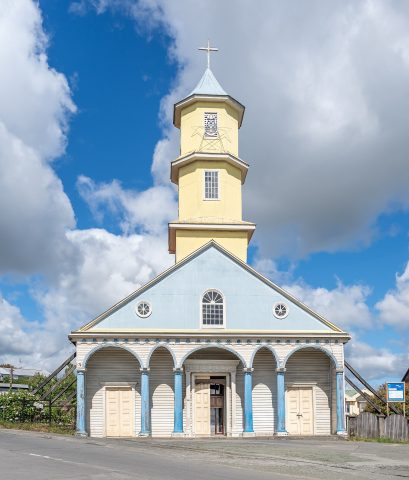
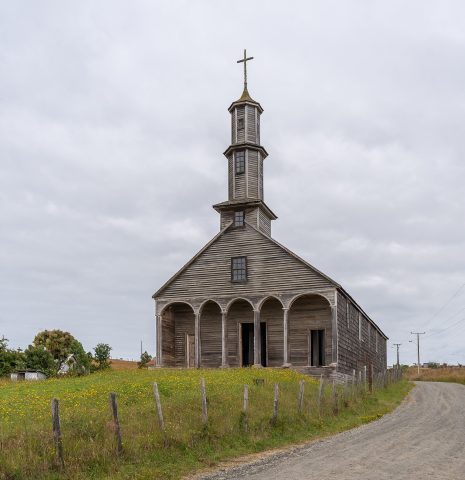
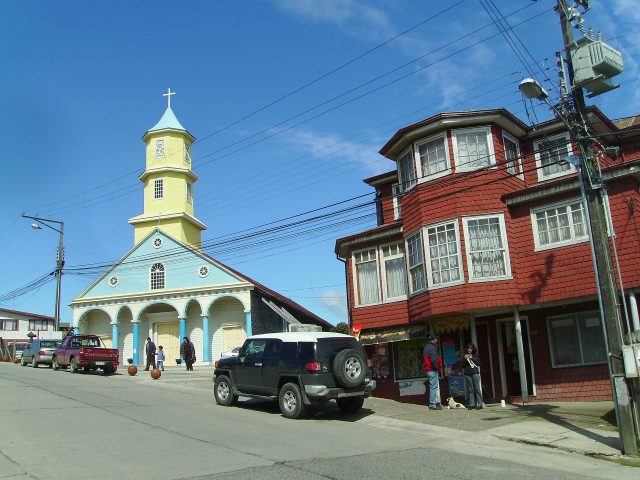
Chonchi itself is known for its wooden churches, UNESCO-listed treasures that dot the island’s misty landscape. The Museo de las Cordilleras Vivas feels like a natural extension of that heritage, not just a repository of the past but a living record of how people have shaped—and been shaped by—this remote corner of the world. The exhibits trace the island’s history through the lens of its people, whose lives have long been defined by the relentless rain, the temperamental ocean, and the rugged terrain. Here, Indigenous traditions, Spanish colonial influences, and distinctly Chilote customs intertwine in ways that feel both ordinary and extraordinary.
The museum’s collection is a carefully curated glimpse into daily life on Chiloé. You’ll find household tools, faded photographs, and yellowed documents that piece together the routines of generations past. But what truly stands out is the focus on wooden craftsmanship, an art form that defines the island’s identity. Models of traditional stilt houses, called *palafitos*, sit alongside replicas of the *dalcas*—the wooden boats that have ferried Chilotes across these waters for centuries. There are also the tools used to build the island’s famous churches, their worn handles and rusted edges telling silent stories of the hands that once wielded them. Each object feels like a fragment of a larger narrative, one about resilience, ingenuity, and the slow, steady work of making a home in a place where nature rarely gives an inch.
Then there are the myths. Chiloé has always been a land where reality blurs with legend, and the museum doesn’t shy away from that. Exhibits explore the island’s rich folklore, from the *invunche*—a twisted, monstrous figure said to guard hidden treasures—to the *trauco*, a mischievous forest spirit who can either help or hinder those who cross his path. These aren’t just quaint stories; they’re living beliefs, still whispered about in local communities. The museum doesn’t just display artifacts; it immerses you in the atmosphere of these tales, letting you feel their weight in the way a Chilote might—with a mix of reverence and wariness.
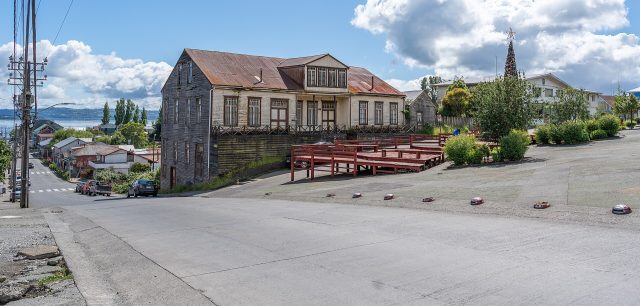
The building itself is a testament to the island’s architectural traditions. Constructed from wood, with a steeply pitched roof to shed the endless rain and small windows to keep out the cold, it’s a structure that’s as practical as it is beautiful. Inside, the space is arranged to encourage slow exploration. There’s no rush, no scripted tour—just the quiet hum of the past, waiting to be discovered at your own pace. The walls seem to murmur with stories if you listen closely enough.
But the Museo de las Cordilleras Vivas isn’t just for tourists. It’s a vital cultural hub for the people of Chiloé, a place where traditions are kept alive through workshops, lectures, and small gatherings. Locals come here to learn woodworking, to share old recipes, or simply to reconnect with a way of life that’s slowly fading. In an era where globalization flattens cultural differences, the museum serves as a quiet act of resistance—a reminder that some things are worth preserving, not for the sake of nostalgia, but because they still have something to teach us.
What makes Chiloé so different from the rest of Chile isn’t just its geography, though the Chacao Channel does physically separate the island from the mainland. It’s the way of life that has evolved here, shaped by isolation and the relentless forces of nature. The island has its own dialect of Spanish, its own recipes, its own way of seeing the world. The museum offers a glimpse behind the curtain of that culture, not as a polished tourist attraction, but as something raw and real. You leave with a sense that you’ve touched something authentic, something that hasn’t been sanitized for outsiders.
Stepping back outside, the world looks different. The wooden houses, the gray sky, the sound of the waves—it’s no longer just scenery. It’s part of a living, breathing story. The Museo de las Cordilleras Vivas doesn’t just tell you about the past; it lets you feel it. And perhaps that’s why it lingers in your mind long after you’ve left—not as a vivid memory, but as a quiet understanding, a sense of having brushed against something true.