Atadja Park in Osogbo is one of those rare places where nature and culture intertwine so seamlessly that time seems to move at its own pace. Tucked away on the edge of the city, it serves as both a green refuge for locals and visitors and a living cultural hub deeply rooted in Yoruba traditions. There are no flashy attractions or manufactured entertainment here—just the quiet rustle of ancient trees, the whisper of leaves, and the faint breeze carrying the scent of grass and blossoms.
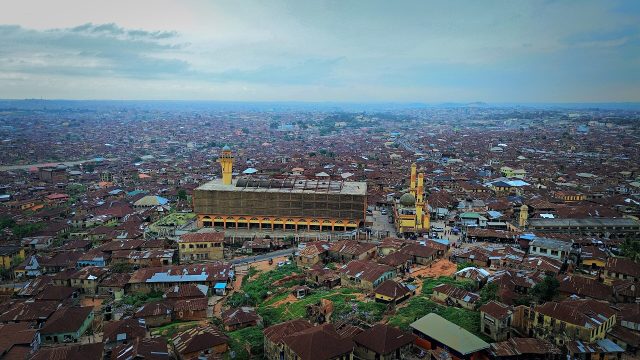
The park’s history is woven into the fabric of Osogbo itself, one of Nigeria’s oldest cities. Long before it became a public space, this land held sacred significance for the Yoruba people, where rituals and ceremonies honored their deities. Over time, it evolved into a communal gathering place, yet its spiritual essence remains intact. Today, you’ll find both travelers and locals wandering its paths—some seeking respite from the city’s hustle, others paying homage to their ancestors.
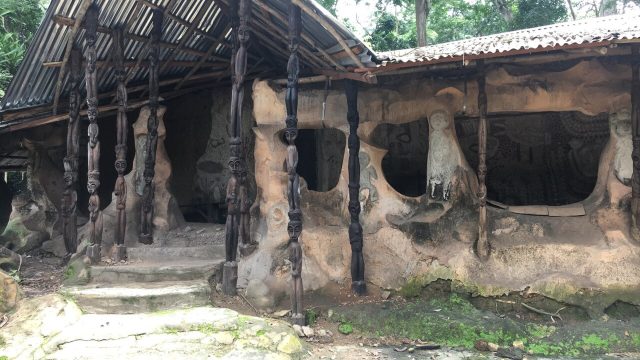
The architecture here is understated but purposeful, blending effortlessly with the surroundings. Small pavilions and open-air shelters, built in the traditional Yoruba style, dot the landscape. Their wooden frames are adorned with intricate carvings that tell stories of gods, heroes, and spirits. Even without understanding the symbolism, the craftsmanship speaks for itself. The central pathway leads to a modest shrine where certain rituals are still observed, a quiet reminder of the park’s enduring connection to the past.
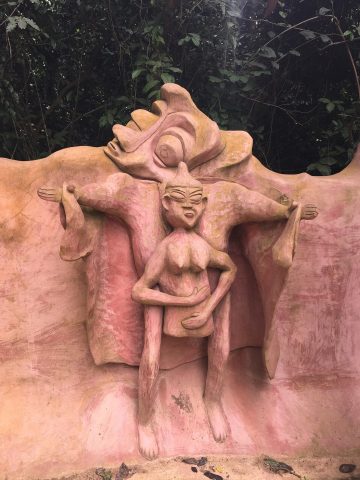
Beyond its natural beauty, Atadja Park functions as an open-air gallery. Sculptures and installations by contemporary Nigerian artists, inspired by Yoruba mythology, are scattered throughout the grounds. Some are carved from wood, others forged from metal or stone, but all coexist harmoniously with the environment. The way the art interacts with nature is striking—sculptures appear to emerge from the earth, while shifting shadows from the trees create ever-changing patterns on their surfaces.
The park’s most vibrant moment comes during the annual Osun-Osogbo Festival, a celebration that draws pilgrims and visitors from across Nigeria and beyond. For a few days, the park transforms into a whirlwind of drumming, dancing, and the rich aromas of local cuisine. The festival honors Osun, the Yoruba goddess of the Osun River, a deity associated with love, fertility, and prosperity. Even outside of festival season, traces of its spirit linger—whether in the small offerings left by devotees or the way the wind seems to carry echoes of ancient legends.
For those curious about Yoruba culture, Atadja Park offers a quiet education. There are no guided tours or rigid itineraries, just the chance to wander and absorb. Local storytellers, if you’re lucky to encounter them, share tales of gods and ancestors, explaining the significance of rituals and the way art and nature intertwine. A simple stroll can become a lesson in history if you pay attention to the details—the carvings, the layout of the paths, the way the light filters through the trees.
The park’s atmosphere shifts with the time of day. Mornings are cool and serene, the perfect time for reflection or a slow walk. By midday, the space comes alive with children playing on the grass, elders chatting on benches, and visitors snapping photos of the sculptures. As evening falls, the park takes on a different mood. The trees seem taller, the shadows deeper, and the air quieter. It’s an ideal time to sit by the small pond, listening to the sounds of the night and watching the fireflies flicker.
Atadja Park isn’t like the manicured public spaces found in many cities. There are no strict rules here, no rigid boundaries between the past and present, nature and culture. It’s a place where each visitor can find something personal—a moment of stillness, a spark of inspiration, or simply the shade of a tree to escape the midday heat. That’s why it remains a cherished spot for Osogbo’s residents and a discovery for those visiting for the first time. The park doesn’t just preserve history; it lets you feel it.