The bridge over the Osun River in Osogbo is one of those places that doesn’t immediately demand attention, yet slowly reveals its layers of meaning. Stretching across the wide, unhurried waters, it connects two parts of the city that have grown along the riverbanks, serving not just as a practical crossing but as a quiet symbol of continuity. The river itself moves lazily here, framed by dense greenery, and the bridge—though modern in design—feels like a natural extension of the landscape rather than an intrusion.
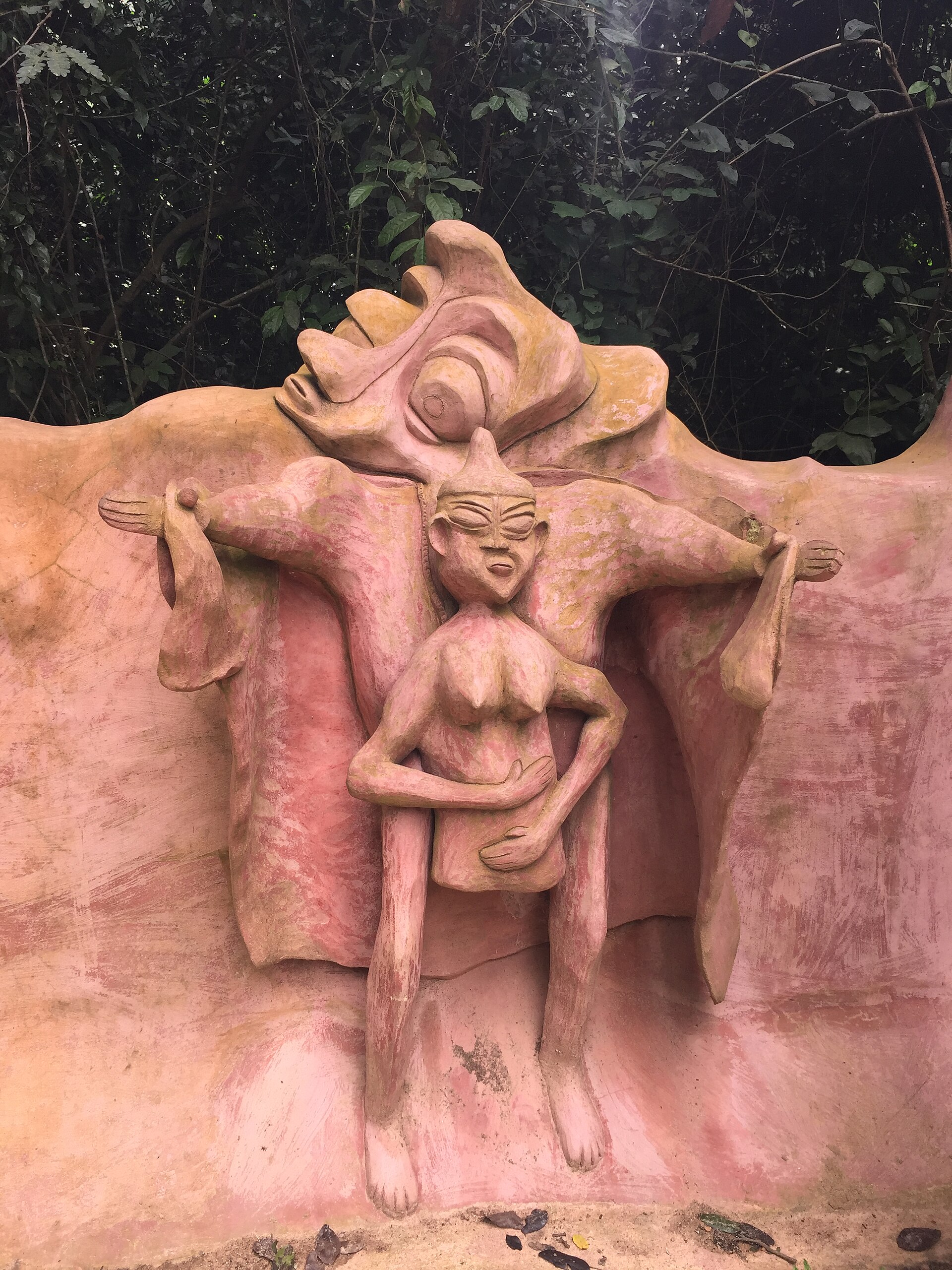
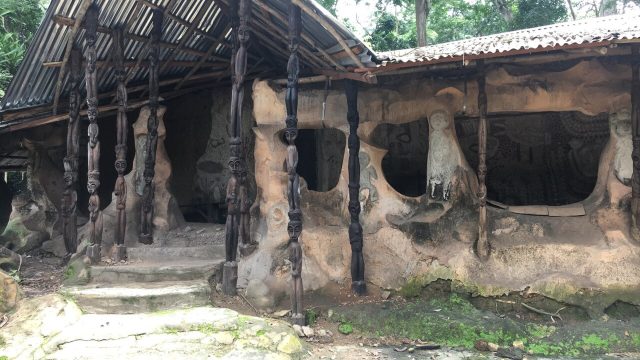
For the people of Osogbo, the Osun River is far more than a body of water. It is sacred, its banks a place of pilgrimage for generations. Just beyond the city lies the Osun-Osogbo Sacred Grove, a UNESCO World Heritage site where the river plays a central role in local beliefs and rituals. The bridge, in its own way, carries on that tradition. It isn’t merely a feat of engineering; it’s another thread in the fabric of a culture that has long revered this waterway, a link between the everyday and the divine.
The bridge’s design is straightforward, built for function rather than ornament. Constructed in the mid-20th century, it was made to handle heavy traffic, with sturdy concrete supports anchoring it in the river. Its spans allow cars, motorcycles, and pedestrians to cross without obstruction, and during rush hours, the bridge hums with activity. Yet if you linger, the city’s bustle fades into the background. The river flows at its own pace, and the air carries the scent of water and damp earth, a reminder that this place has always been shaped by the land as much as by human hands.
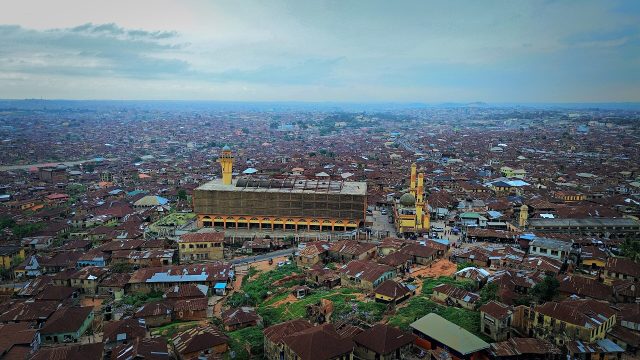
Osogbo’s history is deeply tied to this river, and the bridge has become part of that story. In colonial times, the Osun marked a natural boundary between communities, while its waters facilitated trade. As the city expanded, the need for a reliable crossing grew. Before the bridge, ferries and temporary structures served the purpose, but eventually, the permanent span was built, becoming a sign of progress without severing the city’s connection to its past. For locals, it’s more than infrastructure—it’s proof that Osogbo can move forward while still honoring where it came from.
The bridge takes on a different character during the annual Osun-Osogbo Festival in August. For a few days, the river and its surroundings become the heart of the city, drawing thousands of pilgrims and visitors. The bridge transforms into a vantage point, offering views of processions winding toward the sacred grove, boats gliding across the water, and the air thick with drumming, singing, and prayer. Even those unfamiliar with the traditions can sense the weight of the moment—the way the past and present merge in celebration.
On ordinary days, the bridge retains its quiet charm. Early mornings bring a soft mist over the water, fishermen casting their lines from the banks, and women washing clothes in the river as they have for decades. By evening, when the heat subsides, families gather on the bridge to walk, talk, or watch the sunset. In these moments, it’s clear that this isn’t just a structure for getting from one side to the other. It’s a living space, one that shifts with the rhythms of the city and the river.
The Osun River beneath the bridge is also a vital ecosystem. Its waters support fish, its banks shelter birds, and the surrounding vegetation provides a home for monkeys and other wildlife. Locals understand the river’s importance—not just as a cultural symbol, but as a lifeline. Efforts to preserve its health have grown in recent years, and the bridge plays a role in that, too, by helping manage traffic and reduce human impact on the fragile environment.
For travelers, the bridge can be a starting point for exploring Osogbo. From here, it’s easy to reach the sacred grove, the city’s markets, or the older neighborhoods where history feels tangible. But even if you never leave the bridge, simply standing there offers a glimpse into the city’s soul. There’s no rush, no tourist hype—just the steady pulse of life where tradition and modernity coexist.
The bridge over the Osun isn’t the kind of place that dazzles at first sight. Its value unfolds slowly, much like the city itself. It doesn’t aim to be grand or picturesque, and that’s precisely what makes it compelling. Here, the past isn’t locked away in museums; it’s alive in the way people move, in the river’s sacredness, in the unhurried pace of daily life. The bridge and the river are more than landmarks—they’re enduring symbols of a place where people have always found balance between the old and the new.