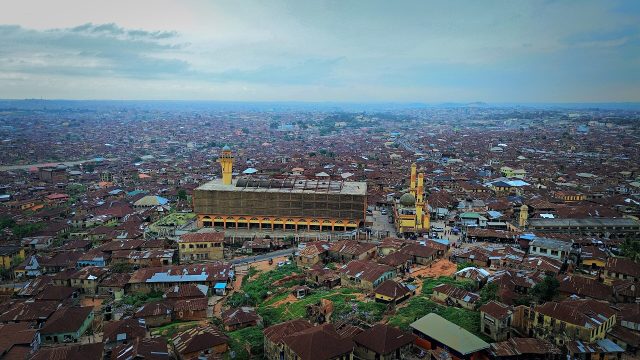
The Ataoja’s Palace in Osogbo isn’t just a building—it’s the living pulse of a city where history isn’t confined to textbooks but woven into the fabric of everyday life. Nestled in the heart of Osogbo, the palace stands as a quiet witness to centuries of tradition, its presence shaping the rhythm of the streets around it. Walk past its towering wooden gates, and you’ll find the past and present coexisting effortlessly: vendors selling vibrant fabrics under the shade of ancient trees, elders gathered in conversation, and the faint hum of daily life carrying stories older than the city itself.
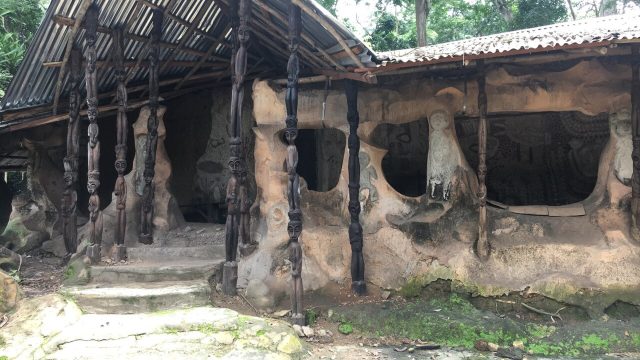
The palace itself is a masterpiece of Yoruba architecture, a style that has evolved over generations in southwestern Nigeria. Built from clay and wood, its structures feature the characteristic sloping roofs, now often covered with corrugated metal, a nod to both tradition and practicality. Inside, open courtyards framed by colonnades create a sense of seclusion, as if time moves differently here. What’s striking is how the palace has managed to stay relevant—constantly renewed by local craftsmen who use the same techniques as their ancestors, ensuring that each repair or addition feels like a continuation rather than a break from the past.
The title of Ataoja carries weight far beyond its literal meaning. For centuries, the rulers of Osogbo who bore this title have been more than political figures; they’ve been custodians of Yoruba culture, arbiters of justice, and symbols of continuity. The palace has always been the place where disputes were settled, alliances forged, and decisions made that shaped the region. Even today, the air inside its walls carries a sense of gravity, a reminder that some traditions refuse to fade. Ceremonies and rituals, some dating back generations, still unfold here, their meanings as vivid as the day they were first performed.
For the people of Osogbo, the palace is more than a landmark—it’s a cornerstone of their identity. It’s where the city gathers for festivals, religious observances, and celebrations that bind the community together. The most vibrant of these is the annual Osun-Osogbo Festival, when the palace becomes the epicenter of a whirlwind of music, dance, and devotion. Pilgrims and visitors flock here, drawn by the spectacle of processions, the scent of traditional foods, and the sight of the Ataoja himself participating in rituals that bridge the gap between the sacred and the everyday.
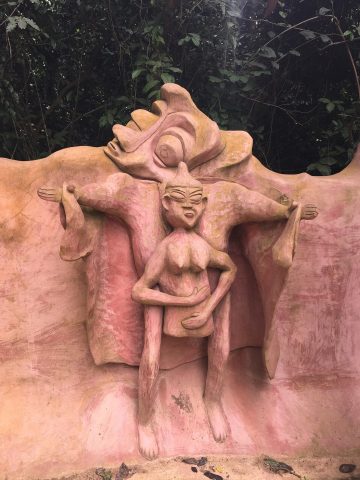
Step inside, and you’ll find artifacts that tell the story of Osogbo’s rich heritage. Sculptures, masks, and ritual vessels—many tied to the worship of Osun, the Yoruba goddess of fresh water, love, and fertility—are not merely displayed but still used in ceremonies. These objects are alive with meaning, their significance extending beyond their physical form. For those curious about Yoruba culture, the palace offers a rare glimpse into a world where myth and reality intertwine, where every carved figure or woven textile carries layers of history and belief.
Osogbo has long been a haven for artists and artisans, and the palace is deeply entwined with this creative legacy. Within its walls, generations of craftsmen have honed their skills, producing works that have gained recognition far beyond Nigeria’s borders. Woodcarvers, potters, weavers, and jewelers all contribute to a tradition that is as much about preserving heritage as it is about innovation. Many of these artisans learn their craft from childhood, apprenticeships passed down through families. The palace often serves as a stage for their work, whether during festivals or in the quiet moments between ceremonies, when the hum of creativity is as much a part of the atmosphere as the murmur of prayers.
Visiting the palace isn’t like touring a museum. There are no rigid itineraries or explanatory plaques—just the quiet invitation to observe, to listen, and to engage. Locals are often happy to share stories if they sense genuine interest, but there’s no pressure, no scripted narrative. You might find yourself sitting in a courtyard, watching life unfold at its own pace, or joining a conversation that drifts from the history of the palace to the latest news in town. It’s a place where curiosity is met with warmth, and where the line between visitor and participant blurs naturally.
What makes the Ataoja’s Palace truly special is its refusal to be frozen in time. It’s not a relic but a living entity, evolving alongside the city it anchors. The palace reminds us that history isn’t something that happened long ago—it’s happening now, in the way people gather, in the rituals they uphold, in the stories they tell. For those who come to Osogbo, it offers a bridge between worlds: between Nigeria’s modern realities and its ancient roots, between the outsider’s gaze and the insider’s experience, between the ordinary and the sacred. That’s why the palace isn’t just a destination—it’s the soul of the city, beating steadily through the ages.