Gurzuf Park is a place where time slows, where the past and present blend with the landscape. Perched on hills overlooking the Black Sea, it feels separate from the resort towns nearby. The park has no straight paths or trimmed lawns—tall pines sway, saltwater lingers, and the terrain shapes every stroll. History here isn’t just in monuments; it’s in the earth beneath your feet.
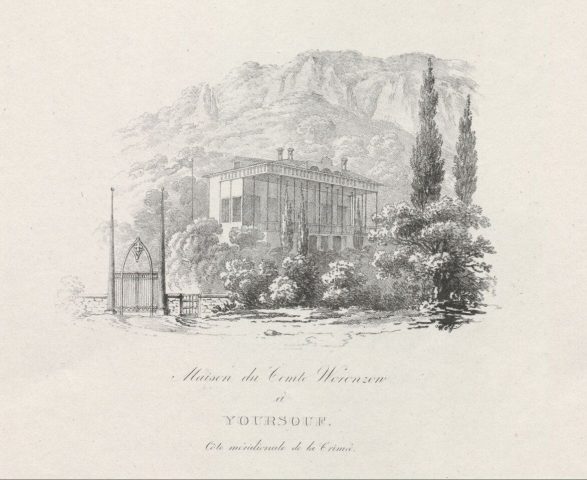
The park began in the early 19th century, when Count Mikhail Vorontsov owned these lands. He wanted Gurzuf to embody southern elegance, a retreat where nature and refinement met. European gardeners and architects were brought in to design the grounds, mixing local plants with exotic species. Back then, Gurzuf was shifting from a quiet village to a fashionable destination, and the park became one of its first draws—visitors could walk among trees and terraces while looking out at the sea.
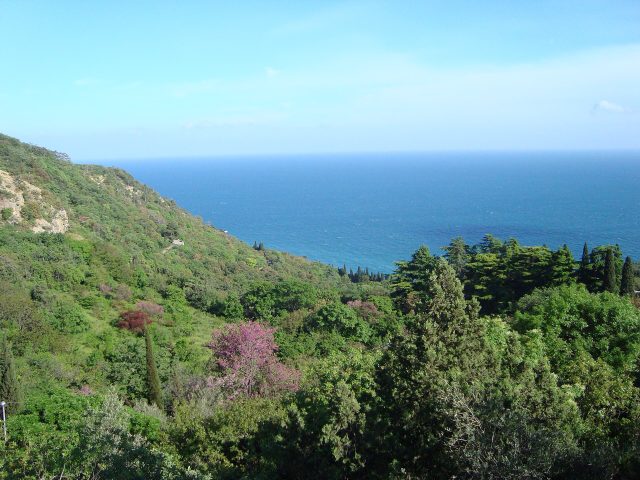
Today, the park covers twenty hectares. The hills create natural viewpoints: the sea stretches in one direction, mountains rise in another, and Gurzuf sits below. The main path, paved with stone and lined with umbrella pines, cypresses, and magnolias, leads from the entrance to the waterfront. Their branches cast shifting shadows, offering shade. Spring brings rhododendrons; autumn turns leaves gold and crimson.
The Pushkin Grotto is one of the park’s most atmospheric spots. A small sea cave, it’s said to be where Alexander Pushkin found inspiration in 1820. The grotto is modest—a damp hollow in the rock, cool even in summer—but the legend gives it a quiet magic. Nearby, a bronze bust of Pushkin stands on granite, often with fresh flowers. The grotto connects Russia’s literary past to Crimea’s landscape.
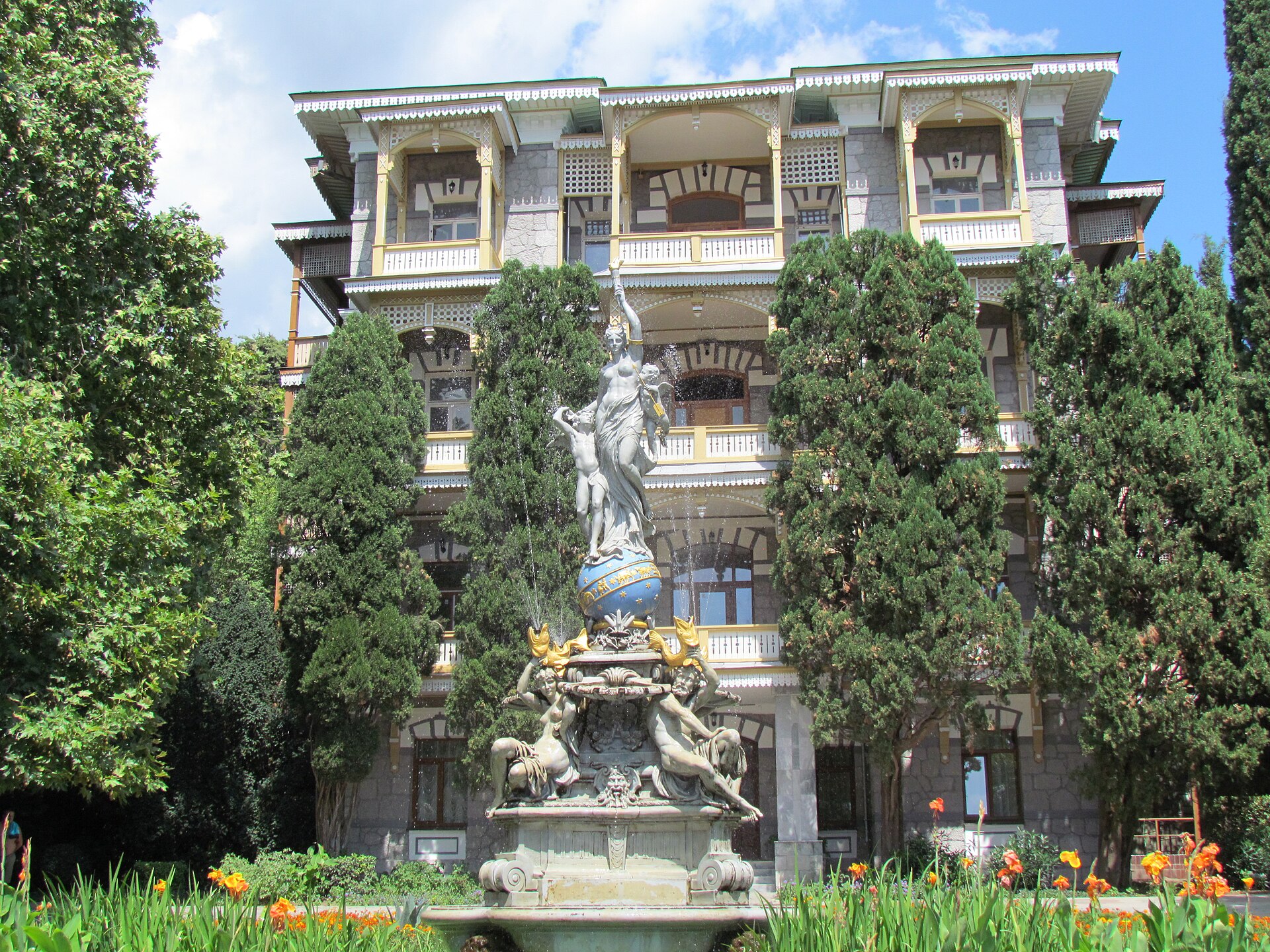
The Swiss Cottage, a chalet-style building with carved balconies, once housed Vorontsov’s guests. Now it’s a café where you can drink tea under the same eaves that sheltered travelers two centuries ago. Nearby, an old fountain’s mosaic basin is overgrown with grass. These fragments aren’t grand monuments but reminders of how the park has changed.
The open-air cinema, built during the Soviet era, faces the sea. It once hosted film screenings under the stars and now holds concerts and festivals. Even without events, it’s a favorite spot—sit on a bench with coffee in the morning or watch the sunset. Waves and seagulls fill the air, and in quiet hours, you can imagine generations who’ve come here to escape the heat.
Gurzuf Park is an open-air museum of trees. Himalayan cedars grow beside Japanese pagoda trees and American sequoias, some planted in Vorontsov’s time. The largest is a plane tree, its branches wide enough to shade a crowd. In summer, families picnic beneath it; in winter, the park is quieter. The trees are living witnesses, their roots tied to the land.
The park feels timeless. It hasn’t become a theme park or filled with attractions. People come to read under a tree, listen to music, or watch the sea. New benches and path lighting haven’t changed its character. It’s still wild, mysterious, and real—a rarity in places staged for tourists.
Gurzuf Park is part of the village’s soul. It holds memories of 19th-century romantics and early travelers who saw Crimea as beautiful and inspiring. Today, it offers the same—peace, creativity, stillness. In a fast-paced world, it grounds us in nature and ourselves. The park doesn’t demand attention; it simply exists, as it has for nearly two hundred years, for those who need it.