Panevėžys Drama Theatre, named after Juozas Miltinis, is the kind of place that doesn’t demand attention at first glance but lingers in your thoughts long after you’ve left. It isn’t a grand opera house or a flashy music hall where spectacle takes center stage. Here, the focus is on the spoken word, the subtle gesture, the silence between lines. This theatre tells a story of how art can thrive in a small provincial city without sacrificing depth or meaning.
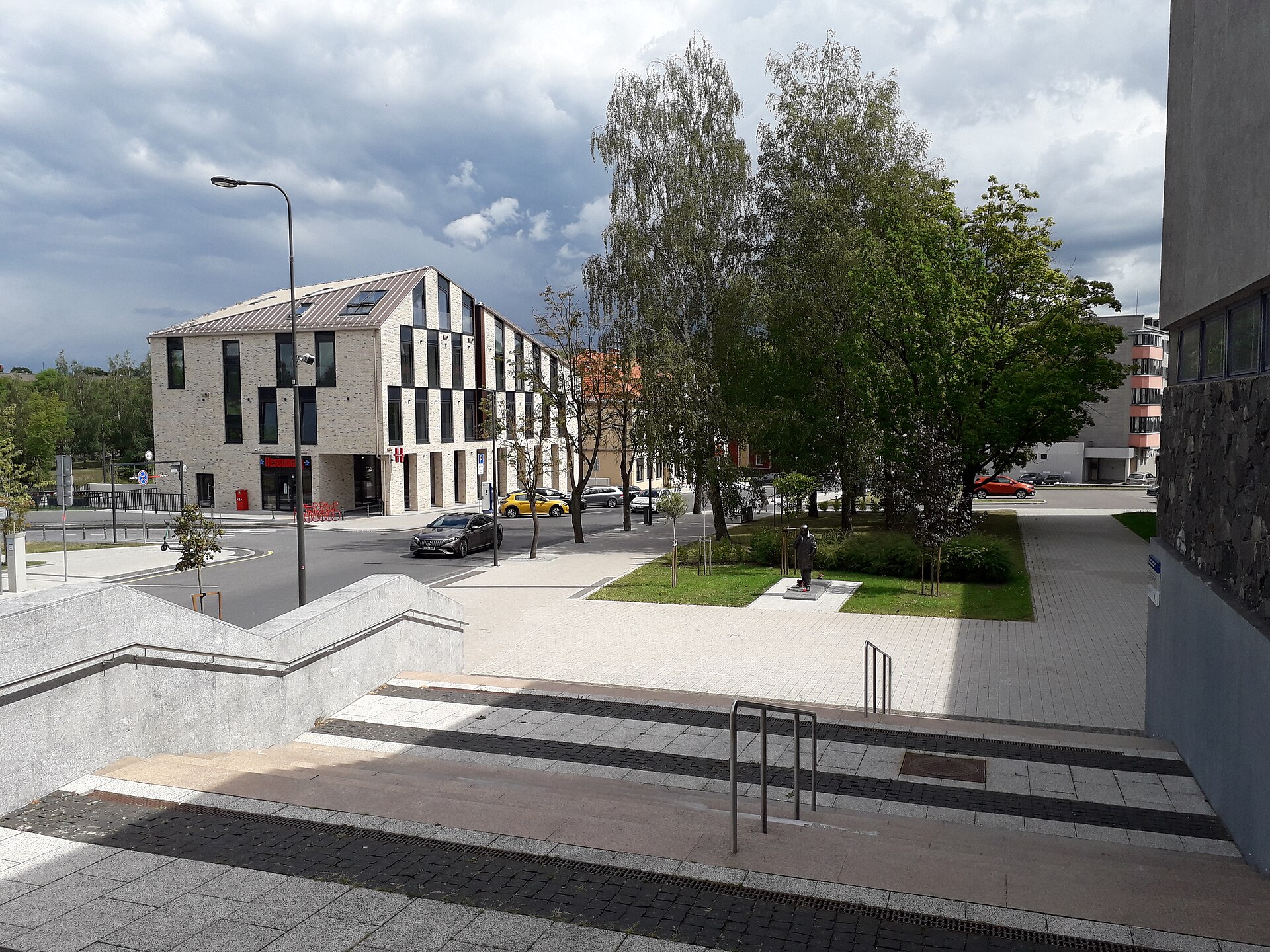
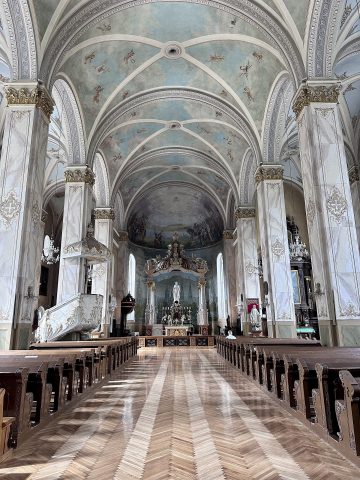
The building sits quietly in the heart of Panevėžys, on a street where time seems to move a little slower. Its architecture is understated yet expressive—classical lines, large windows, a facade that doesn’t shout for attention but instead invites you to step inside. From the outside, it resembles many other regional theatres across Eastern Europe, but within its walls lies a distinct world. There’s no pomp of a capital city stage, just an intimate atmosphere where the audience and actors feel closer than they would in vast auditoriums.
The theatre’s history began in the mid-20th century, a time of upheaval for Lithuania. In 1940, Juozas Miltinis, a young director with bold ideas, arrived in Panevėžys. He didn’t just create a theatre; he established a school of acting that would gain recognition far beyond Lithuania’s borders. Miltinis believed theatre should be more than entertainment—it should be a way to make sense of life. His productions were known for their philosophical depth and psychological precision. Under his leadership, the Panevėžys Theatre became one of the most important cultural institutions in the republic, and even after the Soviet Union’s collapse, it retained its influence.
Today, the theatre bears the name of its founder and continues the traditions he set. It stages classics and contemporary plays, experiments with form, but always remains true to its core principle: honesty with the audience. The repertoire isn’t limited to Lithuanian drama; you’ll find works by Chekhov, Shakespeare, Ibsen, and modern playwrights. Yet each production carries a local touch, whether it’s the dry humor characteristic of Lithuanian culture or a particular perspective on history and memory.
The theatre’s company is central to its identity. Many actors have spent decades here, passing their craft to younger colleagues. There’s no rush for fleeting fame—what matters is skill and dedication. This might be why audiences feel a sense of trust, as if they’ve joined a small but tight-knit family. Even first-time visitors quickly absorb the atmosphere: no unnecessary grandeur, just sincerity and a desire to explore what truly matters.
The theatre is more than just a stage and auditorium. It’s a place for gatherings, discussions, and workshops. Creative evenings, lectures, and documentary screenings are frequent. For a city where cultural life isn’t as vibrant as in Vilnius or Kaunas, the theatre becomes a hub for anyone interested in the arts. It doesn’t exist in isolation either—its troupe tours across Lithuania and occasionally abroad, introducing new audiences to the traditions of the Panevėžys school.
It’s also worth noting that the Miltinis Theatre is part of the city’s history. Panevėžys, though not Lithuania’s most tourist-heavy destination, has its own character. It retains the feel of an old provincial town, where life moves at a leisurely pace and people remember their roots. The theatre fits naturally into this context, becoming more than just a cultural institution—it’s a part of the local identity. For many residents, it symbolizes how world-class art can emerge even in a small city.
Visiting the Panevėžys Drama Theatre isn’t just about the performances. It’s a chance to feel the pulse of Lithuanian culture, to understand how art lives and evolves beyond the capital’s stages. There’s no rush here, no need to shock or impress—just work, passion, and a belief that theatre can change people. And perhaps that’s why a visit leaves you with the sense of having touched something real, something untouched by time or change.