The Memorial to Internationalist Soldiers in Inkerman
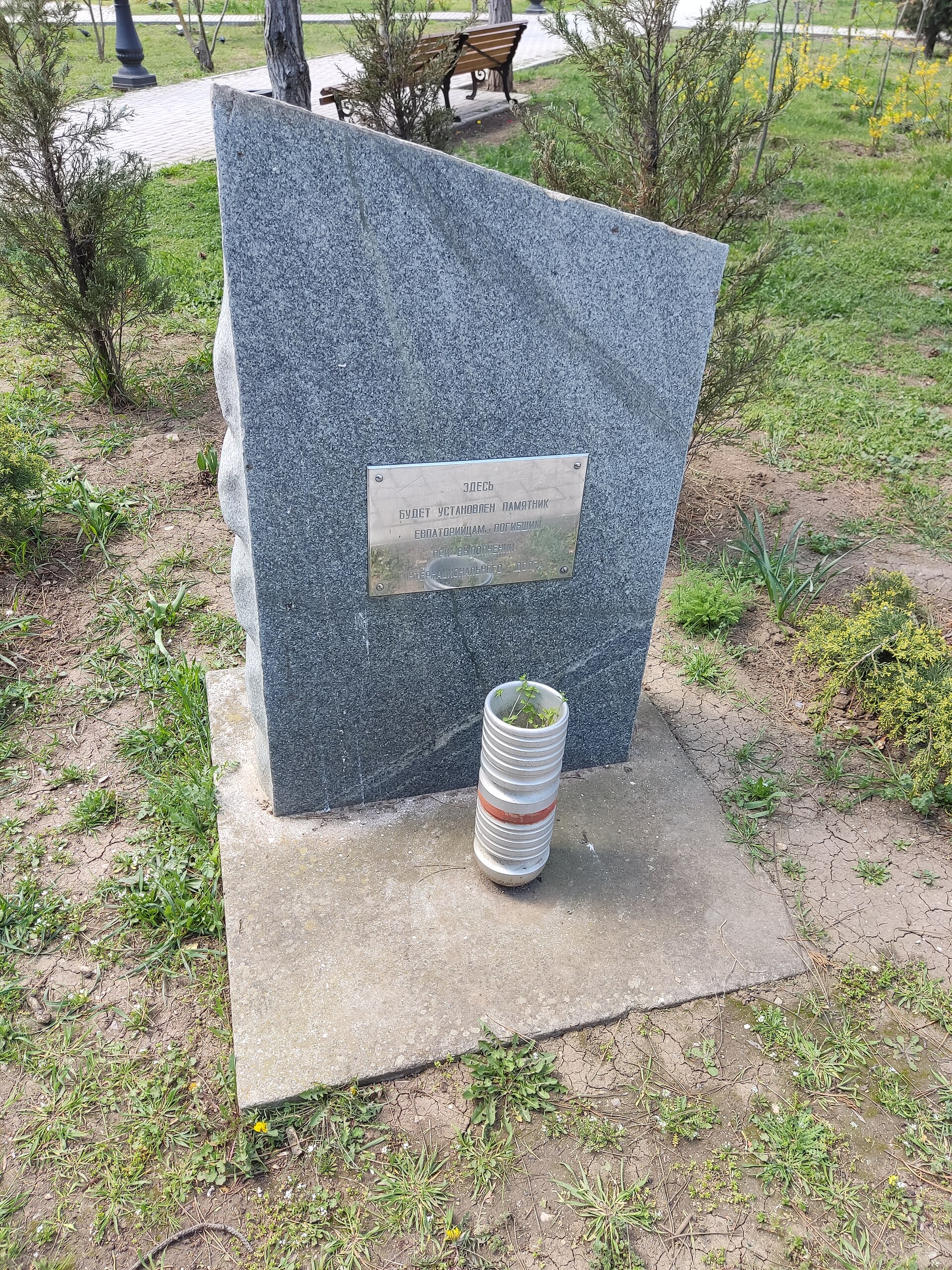
Inkerman sits on the edge of Sevastopol, where Crimea’s rocky coast meets the Black Sea. The town carries history in its cliffs, caves, and the stories of those who fought here. Among its streets and Soviet-era buildings, one monument marks a recent past—one many prefer to forget but few can ignore. The Memorial to Internationalist Soldiers honors those who served in conflicts far from home, often in undeclared wars.
The monument is simple: a tall obelisk in a small plaza, flanked by dark stone walls. Names are carved into them—each one a life lost in Afghanistan, Chechnya, or other conflicts where Soviet and Russian soldiers were sent. The inscriptions are in Russian, but the weight of the place doesn’t need translation. It’s not just a list of the dead. It’s a question about the cost of war and the decisions made elsewhere.
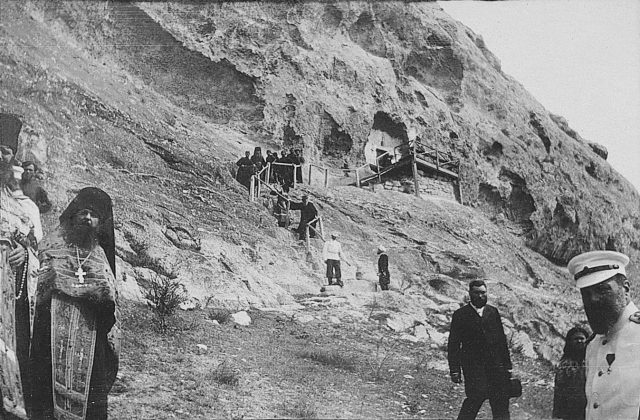
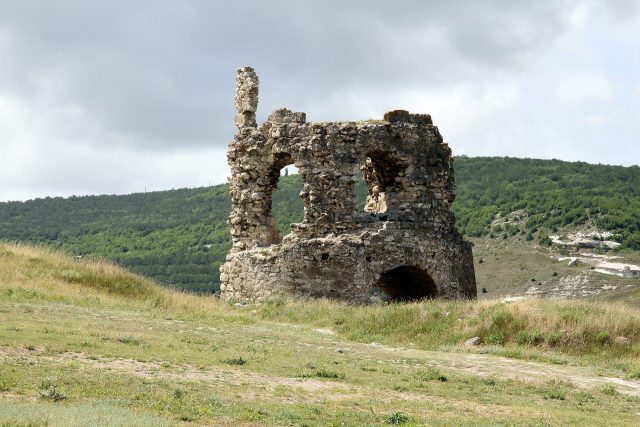
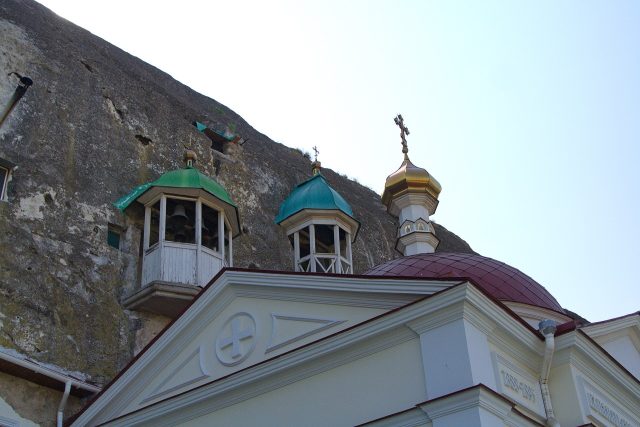
The memorial’s history connects to Inkerman’s own. The town has seen battles—ancient cave monasteries, World War II fortifications, and the scars of the Siege of Sevastopol. But this monument speaks to a different conflict: one less about defending home and more about power abroad. The Soviet-Afghan War, from 1979 to 1989, left deep marks on a generation.
What sets this monument apart is its focus on individuals. No generals or heroic statues—just names of ordinary soldiers. Young men, drafted or volunteered, sent to fight and never returned. Some were from Crimea, others from across the Soviet Union. Their stories aren’t grand, but they’re real. The memorial doesn’t glorify war. It acknowledges loss, and that makes it a place for quiet reflection.
Locals visit on anniversaries, leaving flowers or tracing names with their fingers. Veterans sometimes gather, their faces lined with memories. For outsiders, the place can feel like an intrusion. What right do strangers have to witness this grief? But that’s part of its power. It’s not a tourist site. It’s where history is still raw, where the past isn’t just remembered but mourned.
Inkerman isn’t a town that draws crowds. It’s a working-class suburb, where life moves slower than in Sevastopol’s center. The streets are quiet, the buildings plain. But the memorial stands out. Even in ordinary places, history leaves its mark.
The monument doesn’t demand attention. It doesn’t let you look away either. War isn’t just something in books or distant battlefields. It shapes lives, families, and communities in ways you don’t always see.
The memorial is near the town center, where people pass daily. That placement is deliberate. It keeps the memory of those who served—and those who didn’t return—from being confined to a single day. It’s part of the town’s fabric, always present. On sunny days, light catches the names on the walls. At night, the obelisk is lit from below, casting long shadows.
Visitors won’t find easy answers here. The memorial doesn’t explain why these wars were fought or if they were justified. It doesn’t offer comfort like monuments with soaring rhetoric. Instead, it asks questions. What’s the human cost of political decisions? What does duty weigh? What about the families left behind?
It’s a place that doesn’t let you leave unchanged. Even if you only stand there for a few minutes, reading the names.
The Memorial to Internationalist Soldiers is more than stone and inscriptions. It’s how history lingers in unexpected places. Inkerman may not be in guidebooks, but for those who visit, it reveals a side of Russia’s past often overlooked. Behind every conflict, no matter how distant, there are real people—soldiers, families—whose lives were forever altered. Sometimes, a few names on a wall make that truth impossible to ignore.