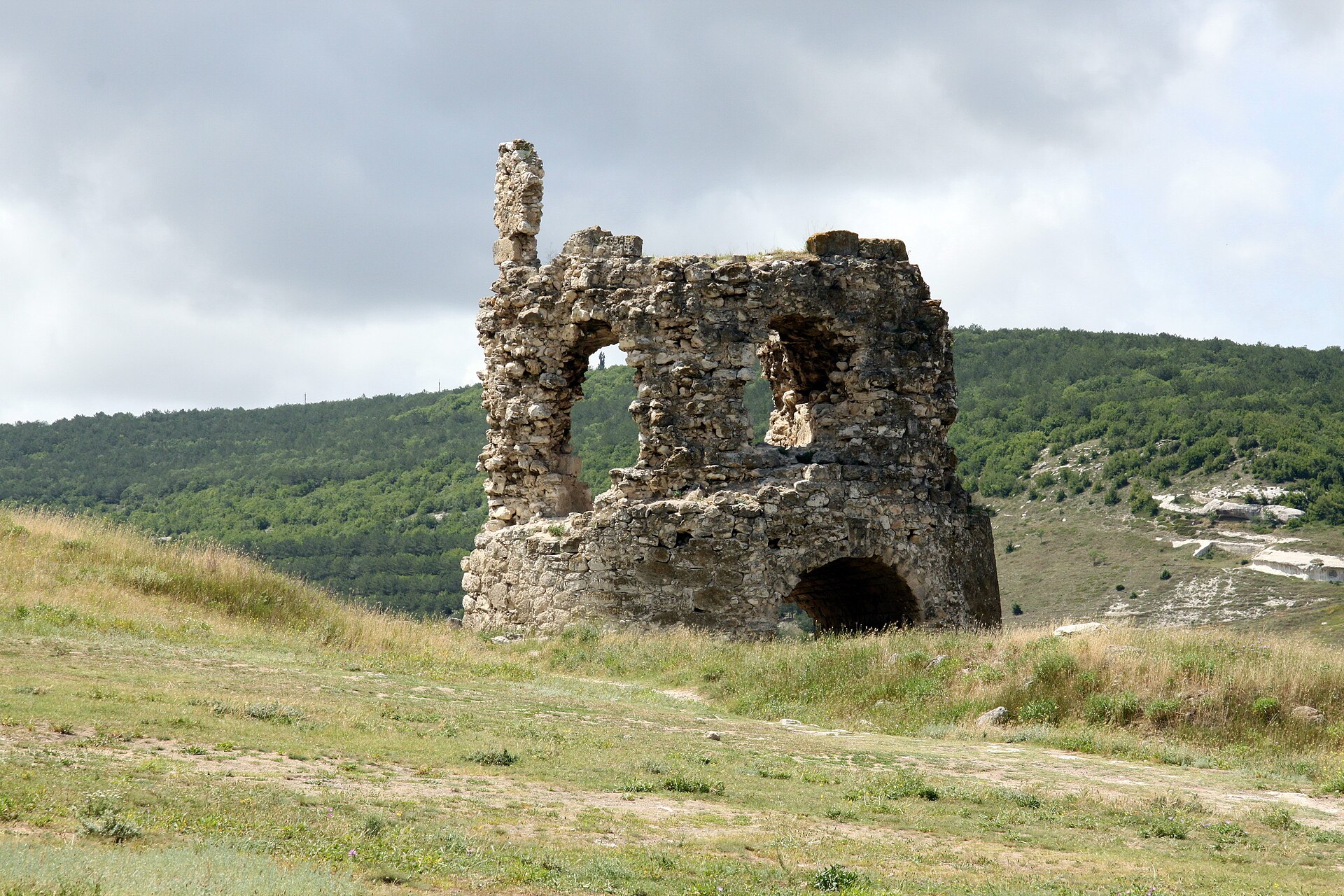
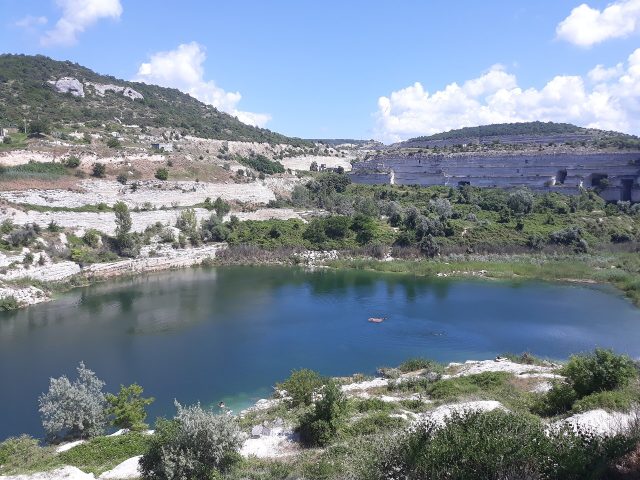
Perched on a rocky headland above the Black Sea, the ruins of Kalamita offer a quiet glimpse into centuries of history, where the paths of empires once crossed. The fortress, built from local limestone, was a silent witness to the rise and fall of civilizations—Byzantine, Genoese, and Ottoman—each leaving their mark on these weathered stones. Today, only fragments of its walls remain, but they tell a story of trade, conflict, and the slow passage of time.
The first fortifications here date back to the 6th century, when the Byzantine Empire sought to secure its foothold in Crimea. Known then as Avlita, the fortress guarded the route to Chersonesus, a vital outpost in the region. By the 14th century, the Genoese had taken control, renaming it Kalamita and transforming it into a bustling hub of commerce. Merchants from Europe and Asia passed through its gates, exchanging goods, news, and cultures. The fortress thrived as a crossroads, its walls bearing the weight of both prosperity and siege.
Kalamita’s strength lay in its natural defenses. Built atop a sheer cliff, it was nearly impregnable, its high walls and towers overlooking the sea. Some of the most striking remnants include the so-called Tower of Saint Clement, named after the pope revered by the Genoese. Inside the fortress, you can still see the cisterns that once stored water, the storerooms where goods were kept, and the living quarters where soldiers and traders spent their days. The stones, now softened by moss and lichen, carry the scars of time.
When the Genoese lost their grip on Crimea, the fortress passed into Ottoman hands. The Turks used it as a military stronghold, but its strategic importance faded over the centuries. By the 1800s, Kalamita was abandoned, its stones scavenged by locals for building material. What remains today is a skeleton of its former self, yet even in ruin, it holds a certain dignity.
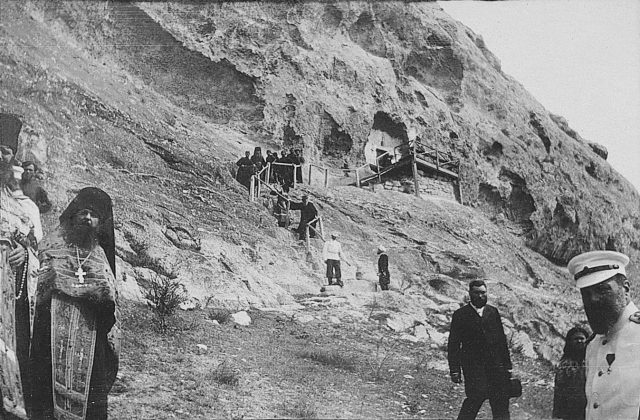
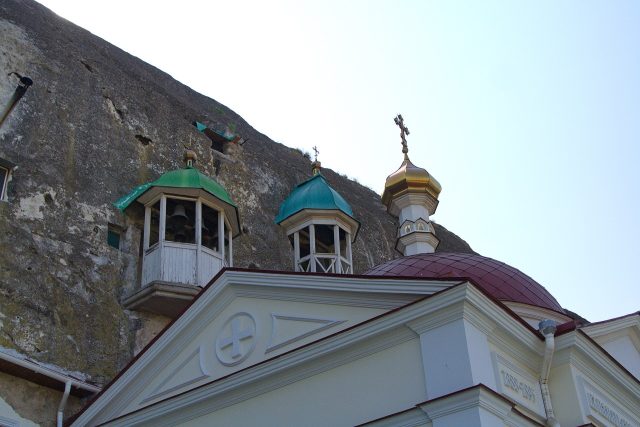
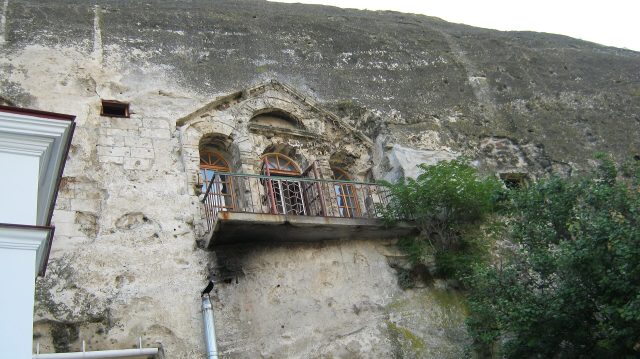
From the fortress, the view stretches across Sevastopol Bay, where the sea meets the sky in a haze of blue. On clear days, the water seems endless, and the only sounds are the cries of gulls and the whisper of the wind. The ruins sit quietly in Inkerman, a town better known for its winemaking and cave monasteries. Here, the past and present coexist, and Kalamita serves as a reminder that history is never truly lost—just waiting to be rediscovered.
Reaching the fortress is straightforward. A short walk from Inkerman’s center leads up the headland, following signs that point the way. The climb isn’t difficult, but the path can be uneven, and the cliffs drop sharply in places. Early morning or late afternoon is the best time to visit, when the light casts long shadows over the ruins, softening their edges. There are no crowds here, no souvenir stalls, just the quiet company of the stones and the sea.
Kalamita isn’t one of Crimea’s most famous landmarks. It lacks the grandeur of Chersonesus or the ornate beauty of the Bakhchisaray Palace, but that’s part of its charm. There’s no fanfare, no guided tours—just the raw, unfiltered presence of history. For those who appreciate the past in its unpolished form, it’s a rare find.
Archaeologists still visit the site, uncovering artifacts that piece together its story. One day, perhaps, Kalamita will be restored to its former glory, but for now, it remains as history left it: a little mysterious, a little forgotten. In a region where every stone seems to hold a memory, it’s just one more piece of the puzzle—a quiet testament to the layers of time that have shaped this land.