Zaslavl is one of those Belarusian towns most travelers overlook on their way to Minsk. Perched on a bluff overlooking the Svislach River, the monument to Prince Vladimir stands as a witness to centuries of change. Erected in 2014, the statue marks the connection between medieval Rus and modern Belarus, a reminder that these lands have their own history.
Prince Vladimir Sviatoslavich, known as the baptizer of Rus, is linked to this area. Some historians believe he founded a fortress here in the late 10th century, then called Izyaslavl after his son. The town later became a stronghold of the Polotsk Principality and a hub along trade routes between the Baltic and the Black Sea. The monument evokes the era when these lands were part of a vast Slavic world, where principalities rose and fell through faith and force.
The statue shows Vladimir in full regalia, a cross in one hand and a sword in the other. The bronze figure gazes over the river, as if surveying the lands he once ruled. The craftsmanship is simple, avoiding grandiosity, which makes the monument feel more personal.
The location was chosen for its views. The monument sits on a hill, overlooking the Svislach Valley and the rolling hills beyond. On clear days, Minsk’s skyline is visible in the distance. Below, the river winds toward the Dnieper, its current unchanged by time.
The spot feels quiet. You can imagine medieval warriors marching here, merchants trading, and pilgrims resting. Now, the only sounds are the wind in the grass and the occasional car on the road to the capital.
Unlike famous Belarusian monuments, this one doesn’t draw crowds. There are no tour buses or souvenir stands. The small park around the statue is a local gathering spot—parents bring children, teenagers meet in the evenings, and older residents walk there. The monument feels like part of the town, not just a relic.
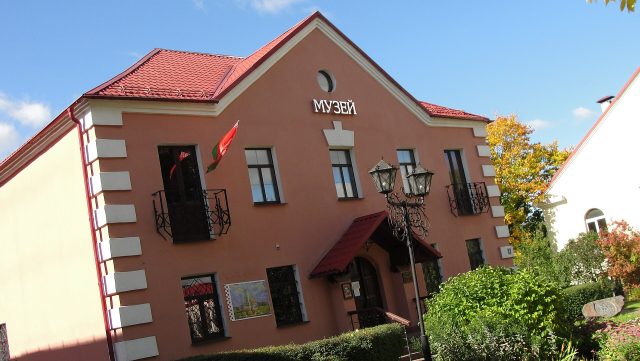
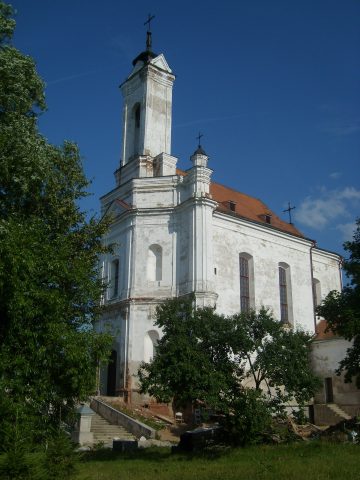
Zaslavl has spent much of its history in Minsk’s shadow. It has survived invasions, shifting borders, and changing rulers but kept its character. Ancient earthen ramparts still stand near the river, and the town’s old church holds echoes of the past. The local museum displays artifacts from these lands, each a piece of Zaslavl’s history. The monument ties it all together, showing that history isn’t just about dates—it’s about the people who lived here and the land that endured.
Spring or early autumn is the best time to visit. Summer can be hot, and winter sometimes covers the paths in snow. Getting here is easy—an electric train from Minsk takes about an hour, or you can drive in half that time. The town is small, and the monument is visible from the river side.
Is it worth a special trip? If you like history, yes. There are no palaces or grand cathedrals, no festivals or tourist traps. What you’ll find is a place where the past doesn’t feel distant. It’s a spot for reflection, where the only distractions are the wind and the river. Minsk is nearby if you want something livelier, but many leave with a sense of the place’s quiet dignity.