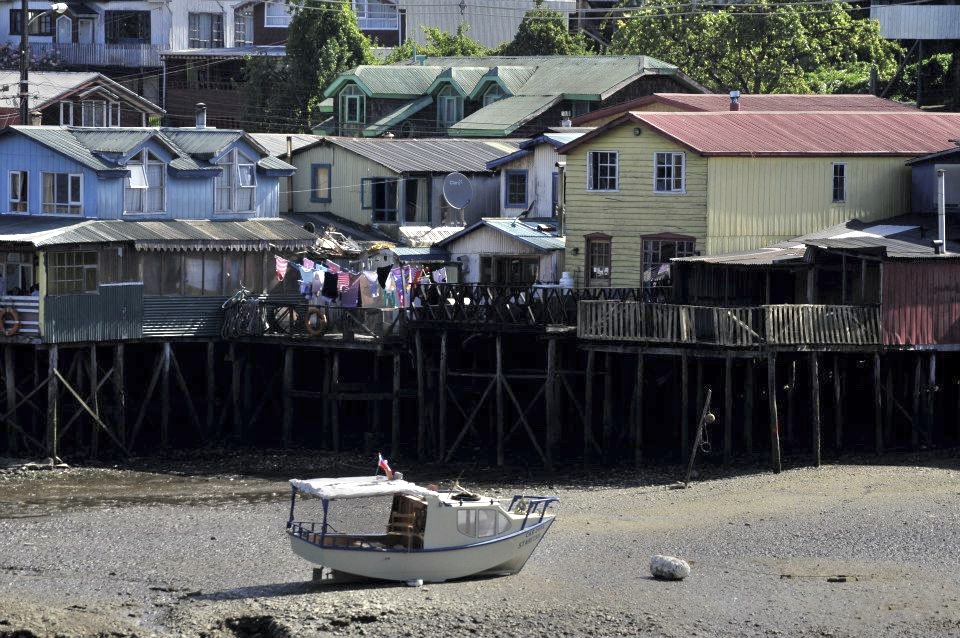
Perched along the water’s edge in Castro, the *palafitos* are more than just a postcard-perfect sight—they’re a living piece of Chiloé’s identity. These stilted wooden houses, painted in bold hues of red, blue, and yellow, line the shoreline like a row of cheerful sentinels, their reflections dancing in the tidal waters below. The name itself comes from the local word for a house raised above the water, a practical solution born from necessity. Long before they became an icon, they were simply homes—built by fishermen who needed shelter from the damp, protection from the tides, and a place to store their boats.
The first *palafitos* appeared in the 19th century, when Castro’s shoreline was little more than a marshy fringe of the bay. Back then, the island was a world apart, cut off from the mainland by rough seas and dense forests. The people who settled here were resourceful, shaping their lives around the rhythms of the ocean. Raising their homes on stilts made sense—it kept the floors dry, the boats close at hand, and the families safe from the whims of the tide. Over time, what began as a practical choice became a tradition, and the *palafitos* evolved into something more than just houses. They became a symbol of Chiloé’s resilience, a testament to how people adapt to the land rather than bend it to their will.
Walking along the waterfront today, it’s easy to see why these houses have endured. Their architecture is unpretentious but clever—steeply pitched roofs to shed the rain, walls clad in overlapping wooden planks to withstand the wind, and bright paint to defy the island’s often-grey skies. Inside, the spaces are small but efficient, with narrow staircases leading to second floors and windows framing views of the bay. Some still serve as homes, their interiors filled with the quiet hum of daily life. Others have been repurposed into cafés, guesthouses, or workshops where artisans carve wood or weave wool. Yet even as they’ve adapted to modern needs, the *palafitos* retain their original character, a blend of functionality and charm that feels distinctly Chiloté.
What makes the *palafitos* special isn’t just their appearance—it’s the way they fit into the fabric of Castro. This isn’t a museum exhibit or a staged tourist attraction. It’s a working neighborhood where fishermen still mend their nets, children play along the shore, and the scent of saltwater mixes with the smoke from woodstoves. In recent years, visitors have begun to seek out the *palafitos*, drawn by their vivid colors and the stories they hold. But unlike many places that cater to tourists, Castro’s stilt houses haven’t lost their authenticity. They remain a part of the city’s everyday life, a quiet reminder that beauty often lies in the unremarkable.
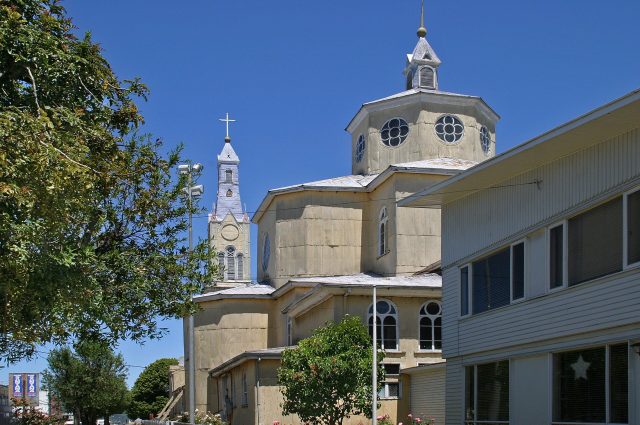
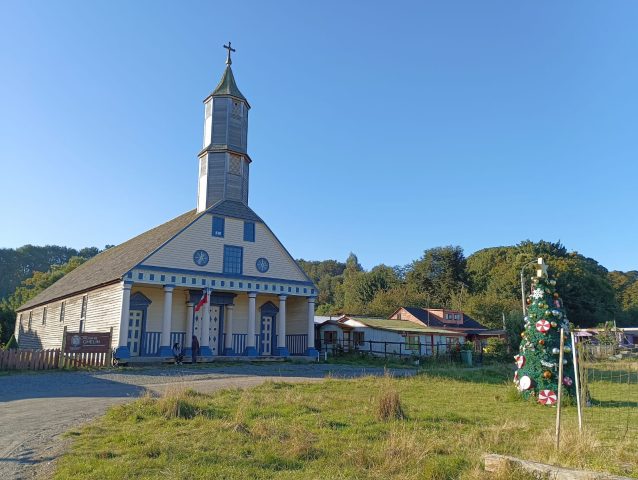
The *palafitos* also tell a deeper story about Chiloé itself. The island has always been a place of contrasts—lush forests and stormy seas, isolation and community, tradition and change. The houses reflect that duality. They’re sturdy enough to withstand the island’s harsh weather yet delicate in their details, from the hand-carved railings to the way the light filters through their windows at dusk. In a way, they embody the spirit of the Chiloté people: practical, unassuming, and deeply connected to the land and water. It’s no surprise that when UNESCO recognized the wooden churches of Chiloé as a World Heritage Site, the *palafitos* were part of that cultural landscape, even if indirectly. They’re not just buildings—they’re a way of life.
For travelers, the *palafitos* offer a glimpse into a slower, more deliberate way of living. There are no grand monuments here, no flashy attractions—just the quiet rhythm of a place that has learned to coexist with its environment. In the mornings, the bay comes alive with fishing boats unloading their catch, while in the evenings, the lights from the houses twinkle on the water like stars. Visitors can wander the waterfront, stopping at small shops selling handmade textiles or sipping coffee in a café with a view of the tide rolling in. Some of the houses are open to the public, their interiors offering a peek into the past with their simple furnishings and timeworn floors. Others remain private, their doors closed but their presence no less felt.
What’s striking about the *palafitos* is how unassuming they are. They don’t demand attention; they invite it. There’s no pressure to admire them, no guided tours urging you to take the perfect photo. Instead, they exist as they always have—quietly, unobtrusively, yet impossible to ignore. In a world where so much is curated for consumption, the *palafitos* feel refreshingly real. They’re a reminder that some of the most meaningful places aren’t the ones that shout the loudest, but the ones that endure, unchanged by time or trends.
Perhaps that’s why they resonate so deeply. The *palafitos* aren’t just about architecture or history—they’re about the people who built them, lived in them, and continue to care for them. They’re about the way a community can shape its environment and, in turn, be shaped by it. Standing on the shore, watching the water lap against the stilts, it’s easy to imagine the generations of families who have called these houses home. The *palafitos* don’t just belong to Castro; they are Castro—colorful, resilient, and quietly proud of their place in the world.